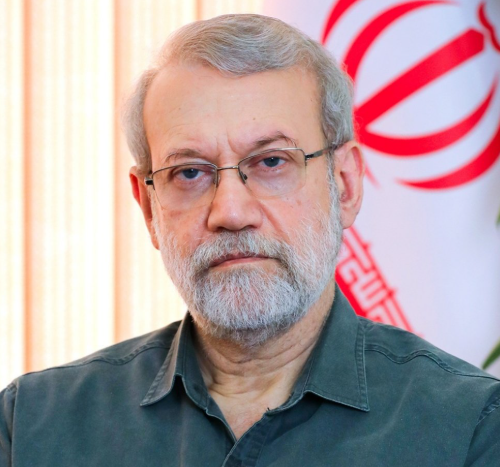

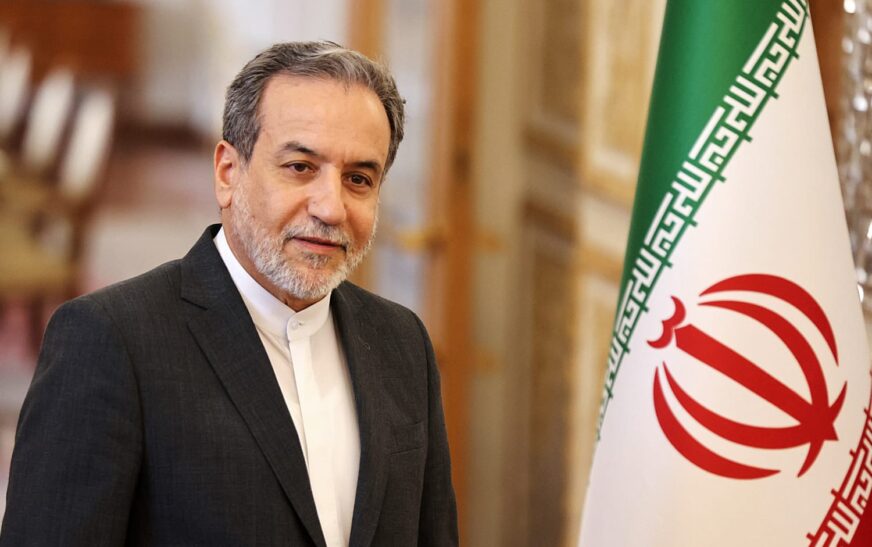
Iran’s political system remains unshaken despite the assassination of top official Ali Larijani, Foreign Minister Abbas Araghchi insisted, in an interview signaling both defiance and a warning to adversaries.
Speaking to Al Jazeera, Araghchi dismissed suggestions that the killing could destabilize the Islamic Republic, stressing that the state is anchored in strong political, economic, and social institutions.
“I don’t know why the Americans and Israelis still haven’t understood that the Islamic Republic of Iran has a powerful political structure,” he said. “The presence or absence of an individual does not affect this structure.”
Acknowledging the role of individuals in governance, Araghchi stressed that continuity depends on the system, not a single leader. “Some perform better, some weaker, some less so. But the political system in Iran is a very strong structure,” he added.
Nuclear Policy Under Watch
Araghchi addressed uncertainty surrounding Iran’s nuclear fatwa, attributed to Supreme Leader Ali Khamenei. While reaffirming that Iran’s nuclear program is peaceful and focused on civilian energy, he noted that the fatwa’s authority depends on the individual issuing it.
“A fatwa depends on the person who issues it; we must wait for the new leader’s stance,” he said, hinting at continuity but leaving room for ambiguity.
No Ceasefire, Only Total End to War
Turning to regional tensions, Araghchi rejected temporary ceasefires, calling instead for a permanent end to hostilities across the Middle East.
“We do not believe in a ceasefire; we believe in the end of the war,” he declared, referencing conflicts in Lebanon, Yemen, Iraq, and Iran itself.

He accused the United States of being dragged into the conflict by Israel, saying Washington lacks a coherent strategy. “Every day they change their story: regime change, disintegration, unconditional surrender… it’s a miscalculation,” he said, warning that the U.S. now finds itself in a difficult position.
Strait of Hormuz: A Regional Flashpoint
Looking ahead, Araghchi signaled Iran’s intent to reshape security arrangements in the Strait of Hormuz once the war ends. He called for a regional protocol to guarantee safe and regulated passage, underscoring Tehran’s determination to control the strategic waterway.
“After the war, the first step should be a new protocol… ensuring safe passage under specified conditions,” he said.
Inclusive Peace or None at All
Araghchi concluded by emphasizing that any lasting peace must be inclusive and region-wide. “Peace in the region must be comprehensive and include all countries,” he said, insisting that temporary solutions cannot ensure long-term stability.
With these statements, Iran is sending a clear signal: the assassination of Larijani may have taken a figure, but it has not shaken the system—and Tehran is preparing to recalibrate its regional strategy with an iron resolve.