
Every day across Uganda, small businesses open their doors, serve customers, and steadily build loyal brands. From salons in Kampala to online shops operating through WhatsApp and Instagram, entrepreneurs are investing time, money, and reputation into names they believe they own. Yet many discover often too late that belief alone offers no legal protection.
This concern lies at the center of a new digital campaign by the Uganda Registration Services Bureau (URSB), which is urging business owners to rethink how secure their enterprises truly are.
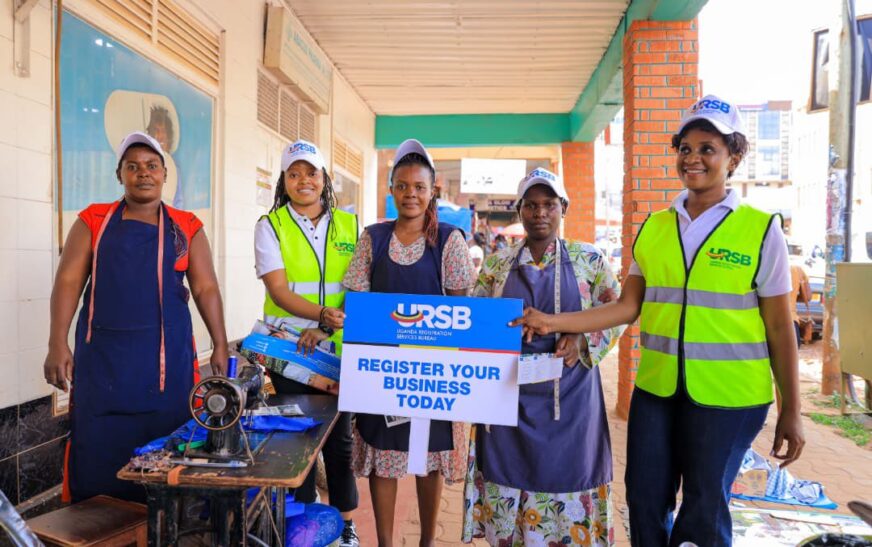
Dubbed “Ganyulwa Mu Business,” the campaign forms part of URSB’s broader Kiri Easy mass formalization drive. Its message is direct: if your business is not registered, the brand you are building can easily be challenged, copied, or even taken away.
Uganda’s informal sector remains vast. Many businesses operate successfully without formal registration, generating income and creating employment. However, this informality comes with hidden risks. Without official documentation, business owners often struggle to open corporate bank accounts, participate in public procurement, access loans, or partner with larger companies. More critically, they may have no legal claim to the name customers associate with their work.
In the event of a dispute, registration is often the first requirement authorities ask for. Without it, entrepreneurs may find themselves locked out of their premises, forced to rebrand, or sidelined when a registered entity claims ownership of the same name.
URSB says this scenario is not uncommon.
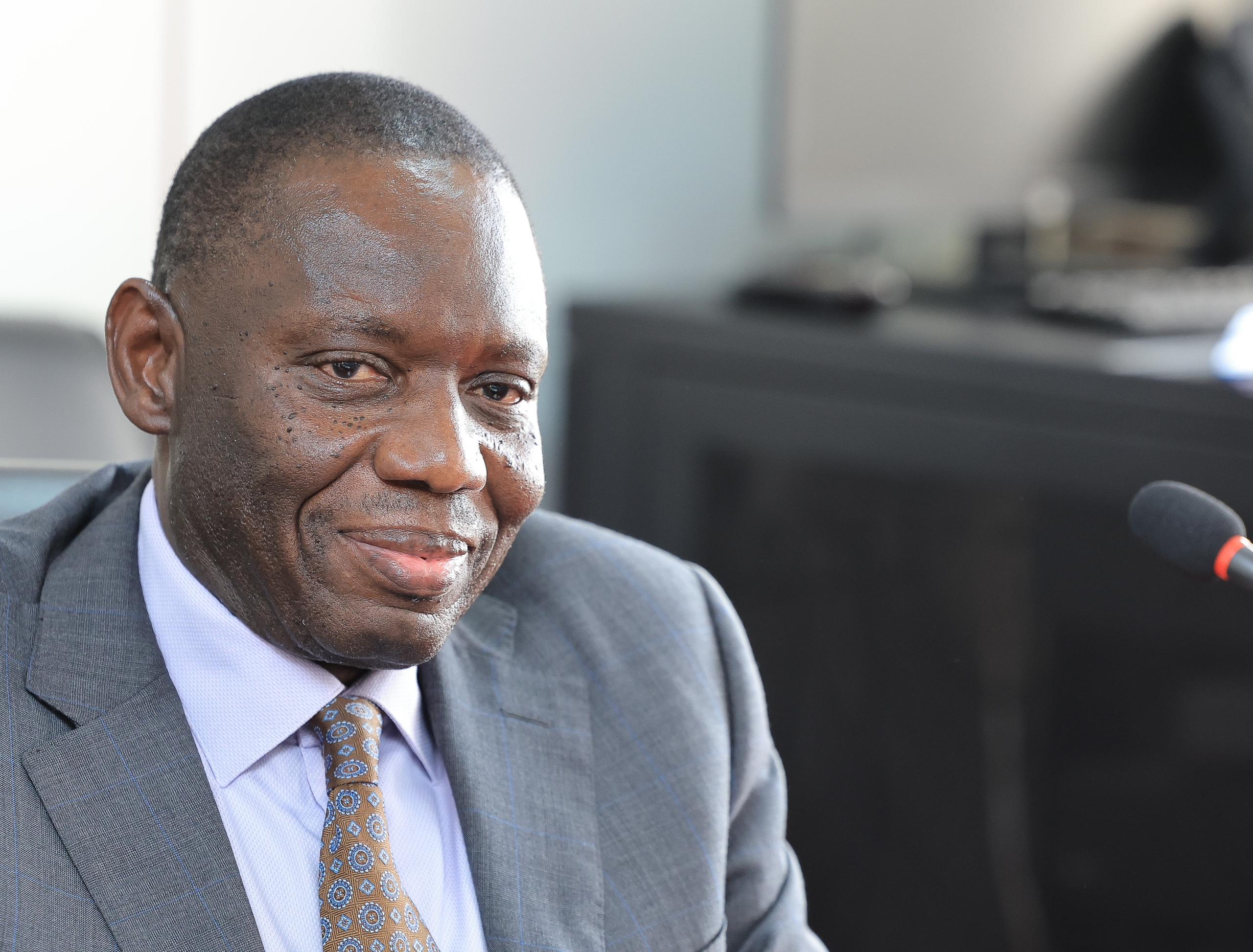
“Many people are building real businesses, but without registration, ownership can be hard to prove,” said Walid Kule, Assistant Commissioner for Registration Services. “Whether it is a startup or a side hustle, once you start serving customers, you are building a brand. Registration is the only way to grow that brand with confidence.”
The campaign also highlights a distinction that many entrepreneurs overlook: the difference between business registration and brand protection.
Registration gives a business legal existence. Through URSB’s Online Business Registration System (OBRS), entrepreneurs can search for available names, reserve them, and register sole proprietorships or companies without visiting a physical office.
However, registration alone does not prevent others from using a similar name, logo, or slogan.

“If you’ve worked hard to build customer trust around a name, a trademark is how you protect that name,” Kule explained. “The process is online.”
A trademark legally protects brand elements such as logos, slogans, and product names, preventing competitors from imitating them. Applications are handled through the IP Online portal, another digital platform URSB is promoting through the campaign.
Legal experts say the distinction is crucial. A business may be properly registered yet still lose control of its brand if it fails to trademark key identifiers.
Within the first day of the campaign’s launch, URSB reported thousands of views online and a noticeable increase in inquiries from business owners seeking clarification about registration and trademarking. Many of these inquiries came from entrepreneurs who assumed registration automatically guaranteed brand protection—an assumption that can prove costly.
According to bureau records, more than 535,000 previously informal businesses have been registered since the program began. URSB has supported the effort through registration clinics held in high-activity areas of Greater Kampala, including Luzira, Kireka, and Banda, as well as regional commercial centers such as Mbale and Soroti.
For many participants, the benefits go beyond regulatory compliance. Formal status allows businesses to bid for tenders, sign enforceable contracts, attract investors, and plan for long-term growth.
Registering a business in Uganda costs less than 90,000 Ugandan shillings, a figure URSB says is modest compared to the potential losses associated with disputes, forced rebranding, or missed opportunities. Trademark fees vary depending on the class of goods or services involved.