
Uganda’s fight against Ebola has received a major boost after the Government of Japan announced a $500,000 (about Shs1.9 billion) emergency grant to strengthen response efforts and contain the ongoing outbreak.
The funding, channelled through the International Federation of Red Cross and Red Crescent Societies (IFRC), will support the Uganda Red Cross Society to expand lifesaving interventions in affected and high-risk communities at a time when health authorities are racing to prevent further spread of the deadly virus.
Officials said the support comes at a critical moment, with frontline responders intensifying surveillance, community engagement and public health measures aimed at breaking chains of transmission.
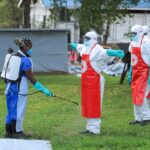
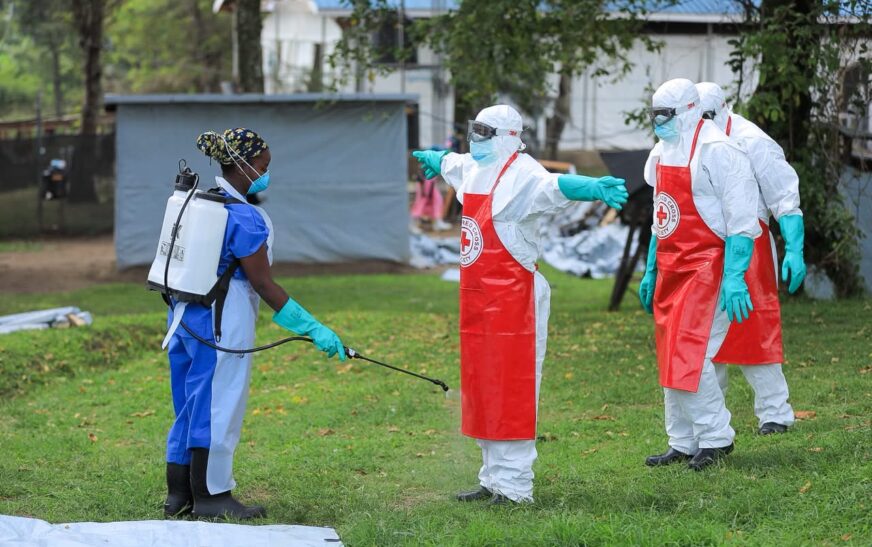
Uganda Red Cross volunteers are already on the ground, conducting door-to-door sensitisation campaigns, raising awareness about Ebola symptoms and prevention, and countering misinformation that often fuels the spread of the disease. The additional funding is expected to significantly scale up these efforts.
Key interventions under the programme will include expanded community awareness campaigns, deployment of trained volunteers for contact tracing, and support to treatment and isolation centres in high-risk areas. The response will also cover procurement of personal protective equipment, distribution of hygiene supplies, and provision of psychosocial support to affected individuals and families.
Health experts say community-based interventions remain central to controlling Ebola outbreaks, as early detection, timely reporting and behavioural change are critical in preventing infections.
The funding will also strengthen surveillance and early warning systems to ensure rapid detection of new cases, enabling quicker response and containment.
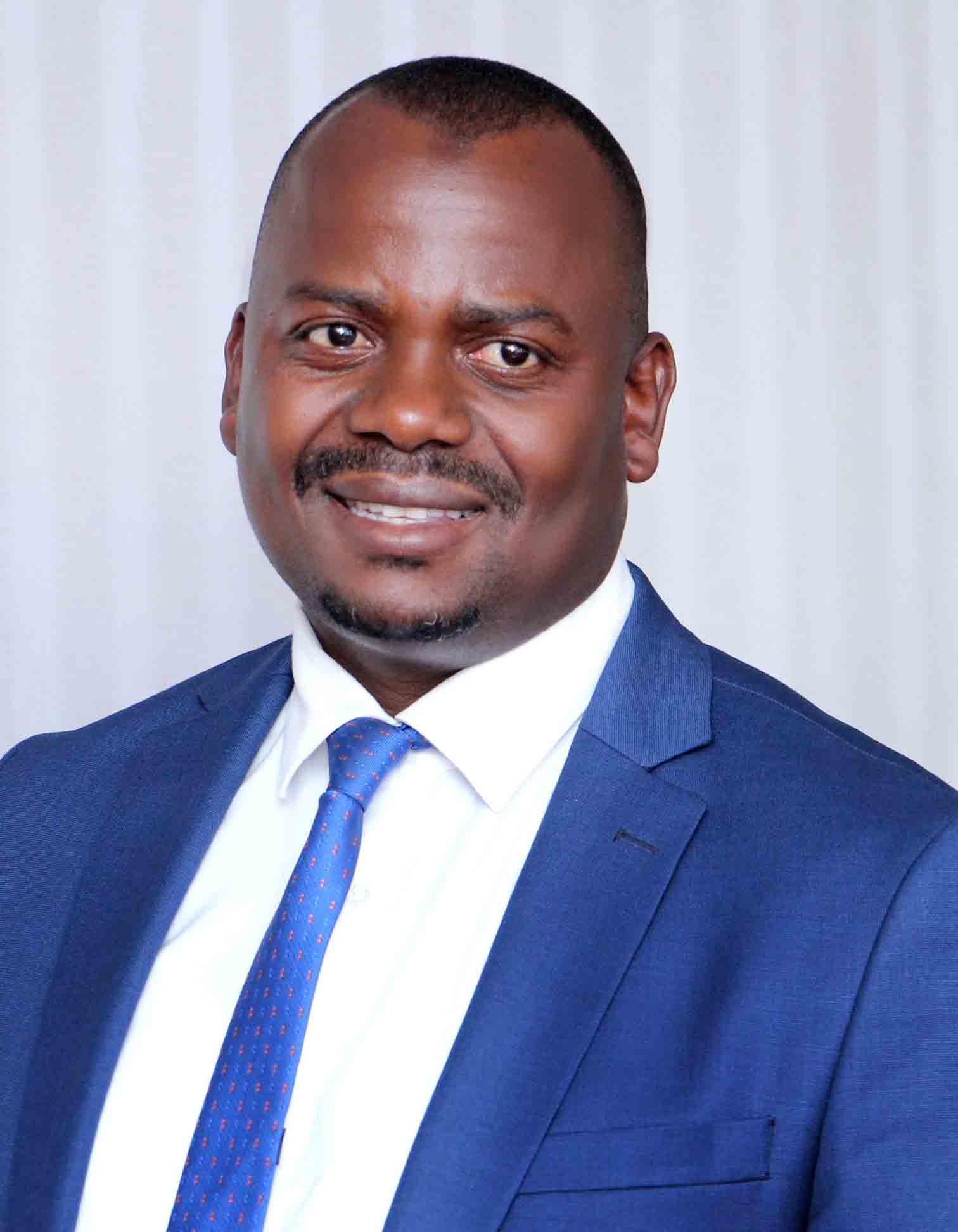
Uganda Red Cross Secretary General Robert Kwesiga welcomed the support, describing it as timely and crucial in reinforcing the country’s response capacity.
“We deeply appreciate Japan’s generous support during this critical period. This funding will significantly strengthen our ability to contain Ebola, protect communities, and deliver lifesaving assistance to those most at risk,” Kwesiga said.

IFRC Head of Country Office in Uganda, Louise Daintrey-Hall, emphasised the role of communities in ending outbreaks, noting that Red Cross volunteers remain at the centre of the response.
“Ebola outbreaks begin and end in communities. This support will enable volunteers to scale up their work, helping communities protect themselves and stop the spread of the disease,” she said.
The intervention underscores the importance of international cooperation in tackling public health emergencies, particularly in regions vulnerable to infectious disease outbreaks. Japan’s support builds on a longstanding partnership with Uganda and global humanitarian agencies in strengthening health systems and emergency response.
Uganda Red Cross continues to work closely with government health authorities to implement community-based interventions, while IFRC is coordinating efforts to mobilise additional resources and technical support for sustained response.
As the outbreak evolves, officials warn that continued vigilance, adequate funding and coordinated action will be essential to prevent further infections and safeguard public health.
The latest support sends a clear message that global partnerships remain key in confronting epidemics, with Uganda’s Ebola response now receiving renewed momentum at a critical stage.