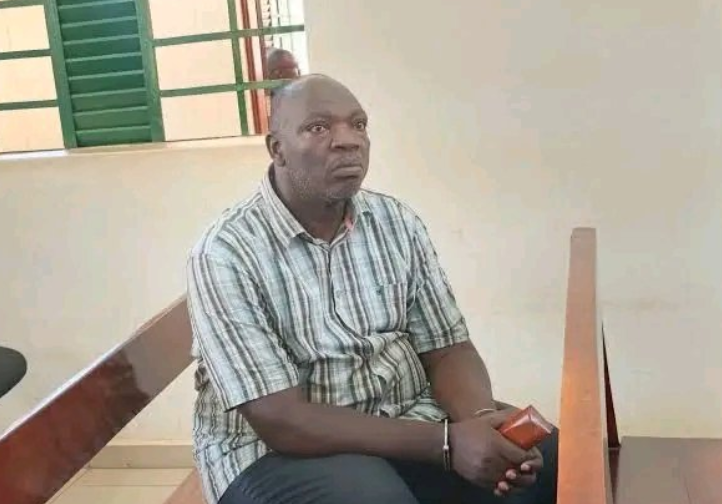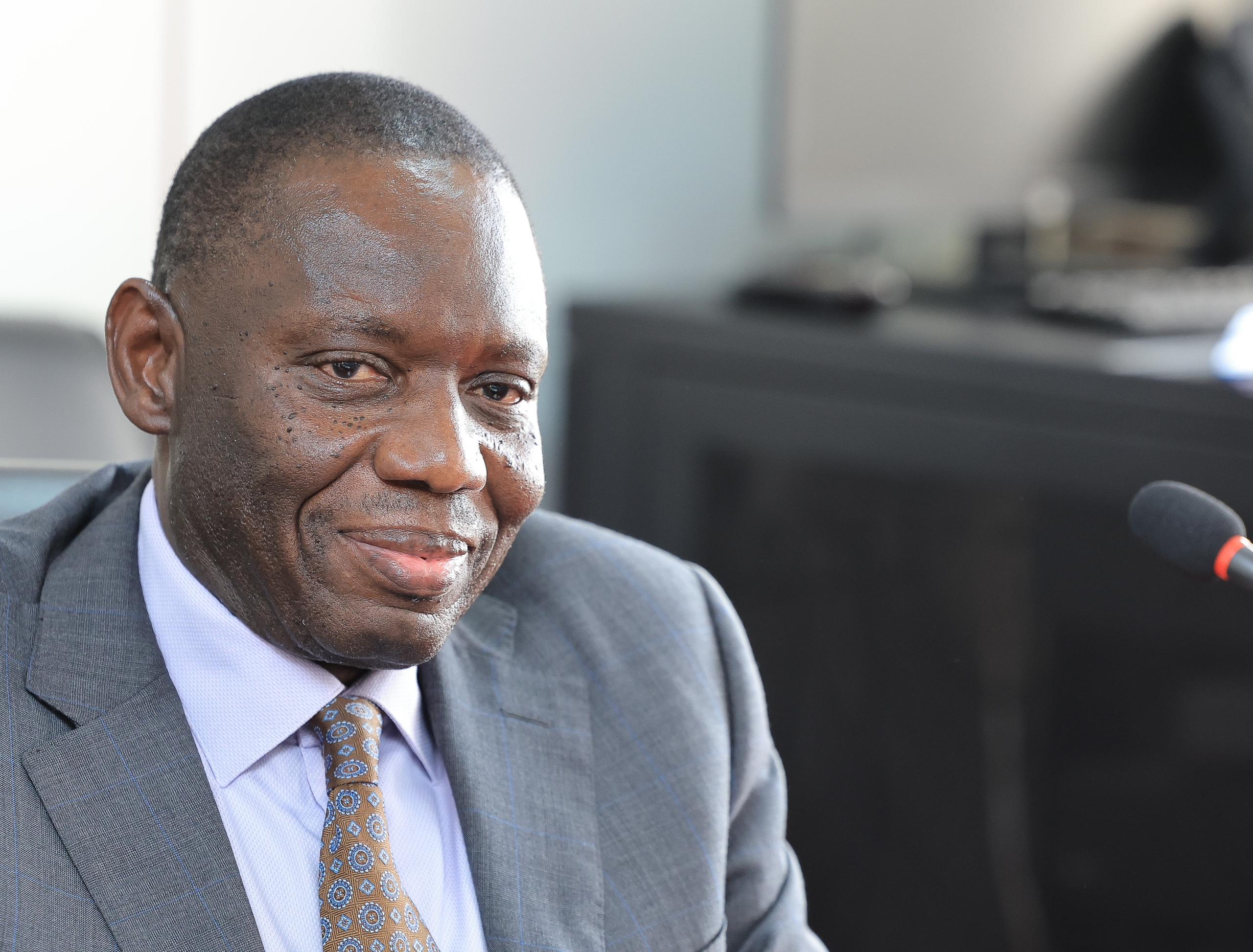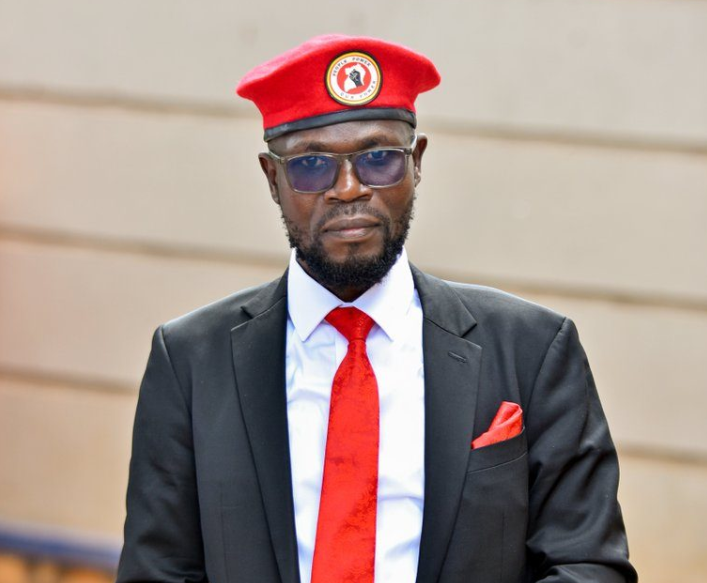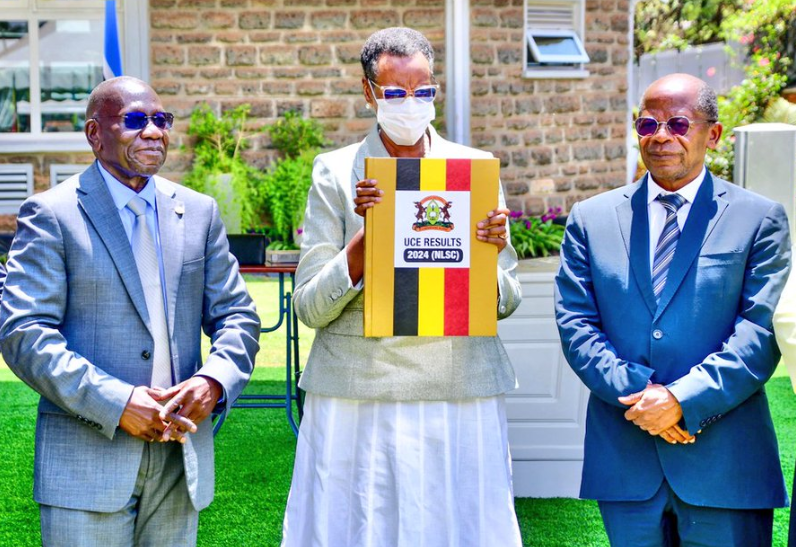

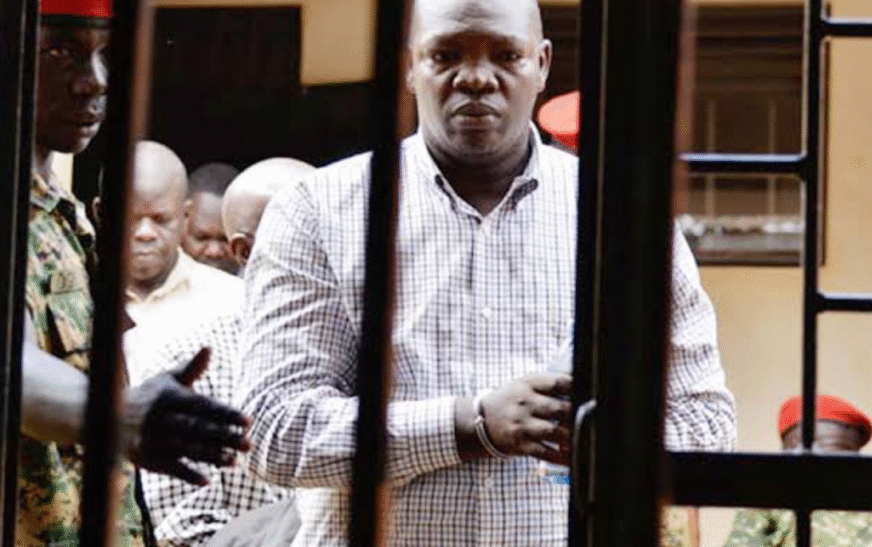
The Chief Magistrate’s Court in Nakawa has committed two suspects—Nickson Agasirwe and Abdul Noor Ssemujju, also known as Minana—to the High Court over the 2015 murder of senior prosecutor Joan Kagezi.
Drama erupted in court when Ssemujju lost his composure and challenged the charges against him, claiming he had been assured that additional suspects would also be charged.
During court session, State prosecitor Richard Birivumbuka said investigations are done and therefore, they are ready to proceed to High Court.
Agasirwe was arrested in May in connection with the assassination of Senior Principal State Attorney Joan Kagezi, a case that had remained dormant for years but has recently regained momentum. Prosecutors indicated they would submit the committal documents at the next court session, scheduled for November 19, 2025.
In June, Agasirwe appeared before Nakawa Chief Magistrate Esther Nyadoi, where he was formally charged with murder and remanded. His court appearance followed his May arrest, reportedly prompted by new and incriminating testimony from a key state witness.
That witness, Daniel Kiwanuka Kisekka—a former Uganda People’s Defence Forces (UPDF) deserter—testified before the International Crimes Division of the High Court that a man he identified only as “Nick,” believed to be Agasirwe, ordered the hit on Kagezi.
At the time of the assassination, Agasirwe was serving as Head of Special Police Operations under then–Inspector General of Police Gen. Kale Kayihura. Following his arrest, he was initially detained at the Flying Squad Headquarters in Kireka, where he reportedly cooperated with investigators.
Kagezi was shot dead on March 30, 2015, in Kiwatule, Kampala, as she returned home with three of her four children. She had briefly stopped to buy vegetables when a man posing as a pedestrian approached her vehicle, asked for directions, and then shot her twice in the neck at close range before fleeing on a waiting motorcycle. She was rushed to Mulago National Referral Hospital, where she was pronounced dead on arrival.

Her killing shocked the nation and drew widespread condemnation. At the time, Kagezi was handling several high-profile terrorism and war crimes cases, including prosecutions related to the 2010 Kampala bombings.
Kisekka’s testimony was given under a plea bargain agreement with the Office of the Director of Public Prosecutions (DPP). In return for his confession and cooperation, he pleaded guilty to murder, had terrorism charges dropped, and received a 35-year prison sentence, later reduced to 34 years to account for time spent on remand.
In court, Kisekka told a panel of judges—Justices Michael Elubu, Stephen Mubiru, Dr. Winfred Nabisinde, and Celia Nagawa—that those responsible for Kagezi’s killing were paid $20,000 by an unnamed high-profile individual allegedly angered by her role in prosecuting sensitive, religion-related cases.
Agasirwe’s continued detention marks a significant turning point in what had long been a cold case. While authorities have not confirmed further arrests, sources close to the investigation suggest that more suspects could soon be implicated as inquiries continue.
Legal analysts and security observers say the case may have far-reaching consequences, not only for Uganda’s law enforcement leadership but also in addressing long-standing questions surrounding who ordered one of the country’s most sensitive judicial assassinons in recent history.