
Russia has called for an immediate end to the escalating conflict in the Middle East, with Sergey Lavrov criticizing what he described as double standards in the international response to the war involving Iran, the United States, and Israel.
Speaking during an ambassadorial round-table meeting in Moscow, Lavrov questioned why some governments strongly condemned Iran’s actions while failing to publicly denounce strikes carried out by the United States and Israel.
According to extracts published by the Russian state news agency TASS, the Russian foreign minister argued that the suffering of Gulf nations should not be ignored but warned against what he described as selective criticism in the conflict.
«“Politically, it is highly doubtful that Iran gains anything from this. Quite the contrary. But we also cannot accept the logic that Iran’s actions are unacceptable while everything the United States and Israel do is beyond discussion,” Lavrov said.»
Lavrov also questioned whether Arab states had condemned civilian casualties resulting from the conflict, referring to reports of deaths following attacks on civilian infrastructure.
«“Did you condemn what the United States and Israel started doing, including the deaths of schoolchildren?” he asked, according to the TASS report.»

Russia, he said, does not support the suffering of countries in the Gulf region and believes the conflict brings no military or political advantage to Iran. However, Moscow maintains that the crisis cannot be addressed through what Lavrov described as “one-sided judgments.”
The Russian diplomat urged countries in the region to adopt what he called a unified position aimed at halting the fighting.
«“We advocate an immediate end to aggression,” Lavrov said, calling for collective international efforts to stop hostilities and prevent further civilian casualties.»
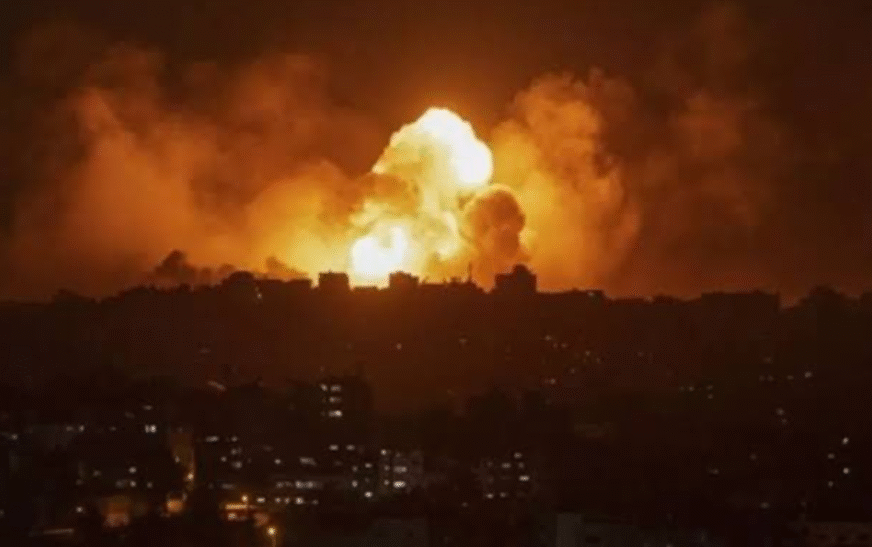
The remarks come amid rapidly rising tensions across the Middle East following military confrontations involving Iran, Israel and the United States, a situation that has heightened fears of a wider regional conflict.