
In the rolling hills of Kabale District, going to school is a test of endurance long before it becomes a pursuit of knowledge. At dawn each day, children set off on foot, navigating steep slopes and narrow paths for up to two hours just to reach class.
By the time lessons begin, many are already worn out. For some, especially boys, the daily trek becomes unsustainable, pushing them out of school and into small informal businesses.
While Uganda’s Universal Primary Education (UPE) programme has significantly widened access to schooling, the reality in remote communities tells a more complex story. Here, distance, terrain, and limited infrastructure continue to stand between children and consistent, quality education.
For years, Bwera Primary School in the remote Bwera Village of Kahama Subcounty, Ndorwa West Constituency, embodied these challenges. With no proper road access and minimal facilities, the school struggled to provide even the most basic learning environment.
Efforts to improve the situation often stalled before they began. The cost and difficulty of transporting materials to the site discouraged contractors, leaving generations of learners in an environment that fell short of their needs.
That narrative, however, is beginning to change.
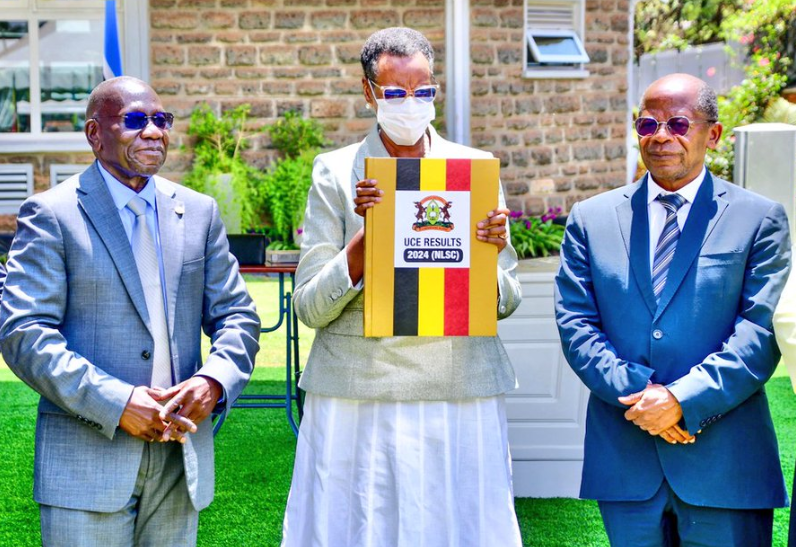
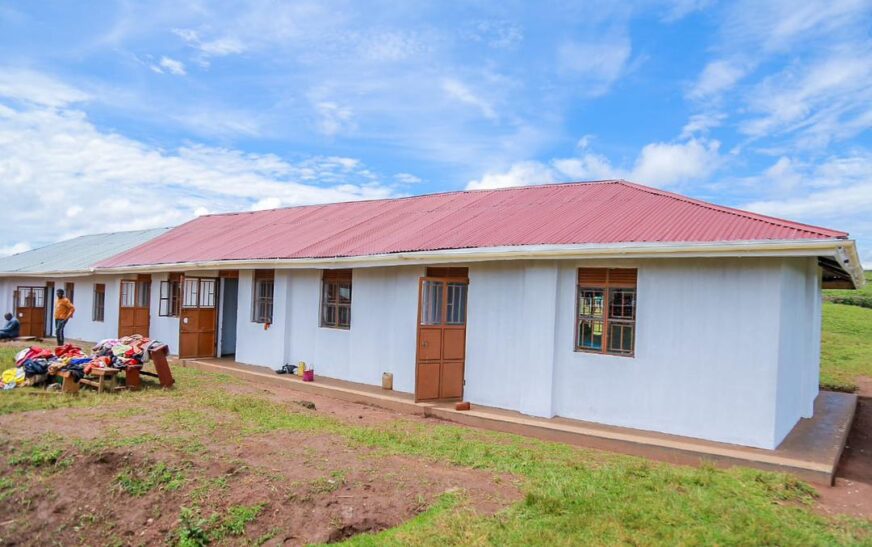
Last week, the newly refurbished facilities were officially handed over at the school, marking a significant shift in its story. The transformation includes a renovated four-classroom block, new furniture, improved sanitation facilities, and a water harvesting system.
The upgraded infrastructure now supports more than 270 pupils, creating a safer and more conducive learning space. Early signs of impact are already visible, with teachers reporting improved attendance and more engaged learners.

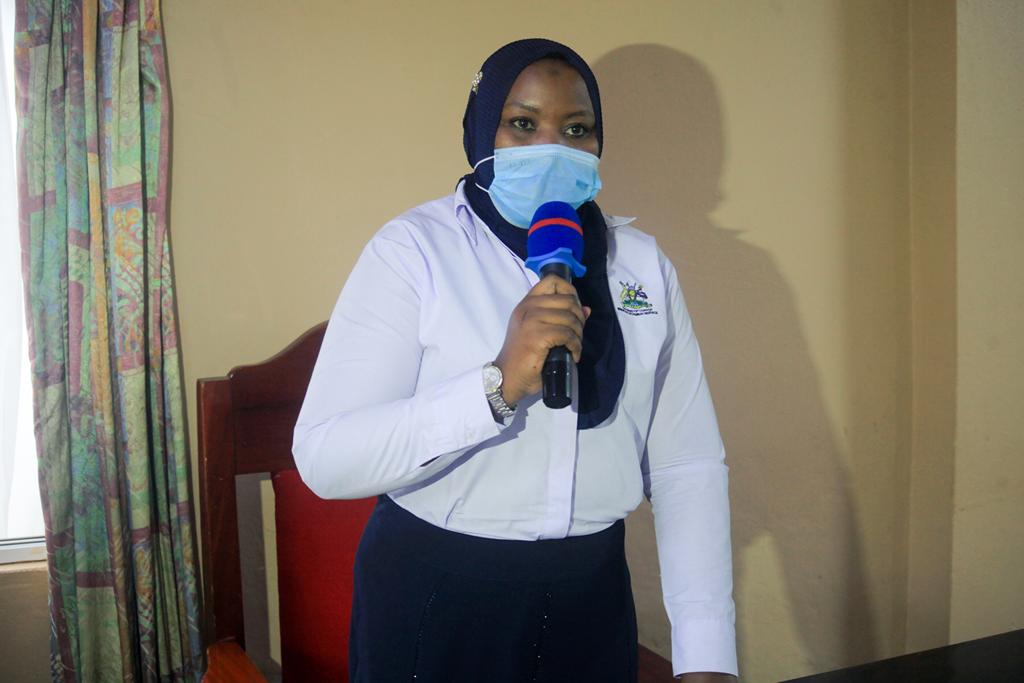
Speaking during the handover, dfcu Bank’s Head of Corporate Affairs and Sustainability, Helena Mayanja, underscored the importance of addressing the physical barriers that hinder education. She noted that improving infrastructure in such hard-to-reach areas is essential in turning access into real learning outcomes.
Kabale District Education Officer Tumwijukye Moses Bwengye welcomed the development, pointing out that previous attempts to upgrade the school had failed due to inaccessibility. He described the intervention as a breakthrough, emphasizing the critical role of partnerships in unlocking progress in underserved communities.
Backed by a Shs 20 million contribution, the initiative highlights how collaborative efforts can bridge long-standing gaps in education.
For learners at Bwera Primary School, the change represents more than just new buildings. It signals a shift in possibility, where the journey to school may still be long, but the promise of a better learning experience is now within reach.