
A proposed law aimed at tightening control over how non governmental organizations access and utilize foreign funding is drawing growing scrutiny over its severe penalties and potential implications for accountability in Uganda.
The NGO Funding Bill, currently before Parliament in petition form, seeks to introduce stricter state oversight of external financing to NGOs. While supporters argue that the proposal is designed to safeguard national sovereignty and enhance transparency, critics warn that it could significantly alter the role and independence of civil society.
At the center of the proposed legislation is a new legal framework requiring NGOs to obtain prior government approval before receiving foreign funding. It also introduces stricter reporting obligations, compelling organizations to disclose funding sources and provide detailed accounts of how funds are utilized.
Beyond regulation, the bill has reignited debate around a broader issue, the role of NGOs in addressing misuse of public funds. Civil society organizations have long played a watchdog role by monitoring government expenditure and advocating for transparency. Some observers caution that restricting their funding could weaken this oversight function.
The severity of the proposed penalties has emerged as a key point of concern.
Organizations that operate without authorization or outside the new funding framework could face heavy fines, suspension, or deregistration. NGOs found receiving foreign funds without approval risk having those funds frozen or confiscated, in addition to further legal consequences.
Notably, the bill introduces personal criminal liability, meaning that directors and managers could face fines or imprisonment for violations.
Additional penalties target organizations accused of using funds for activities deemed contrary to national interest or sovereignty. In such cases, authorities would have the power to revoke licenses, seize assets, and pursue criminal charges.

Failure to comply with strict disclosure and reporting requirements could also result in administrative sanctions and operational bans, further tightening the regulatory environment for NGOs.
The proposed law has intensified debate around accountability in public finance. Critics argue that NGOs play a crucial role in exposing misuse of public resources, and that restricting their access to funding could reduce independent scrutiny of government operations.
They further contend that while the bill places strong emphasis on regulating NGOs, it does not equally address concerns related to public sector accountability, raising questions about fairness and balance in enforcement.
Supporters, however, defend the bill as a necessary measure to ensure transparency within the NGO sector and to guard against undue foreign influence in domestic affairs. They argue that clear regulations, backed by firm penalties, are essential to promote compliance and strengthen public trust in how organizations operate.
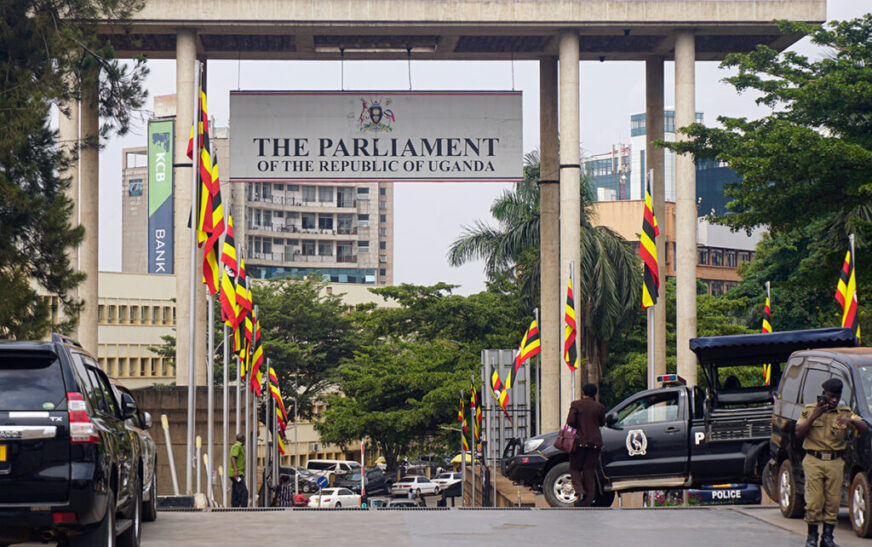
The bill remains under consideration and has yet to be fully debated and passed by Parliament. As discussions continue, its penalty provisions and broader implications for governance are expected to remain at the center of national debate.
If enacted, the legislation could mark a significant shift in how NGOs operate in Uganda, particularly in relation to funding, oversight, and their role in promoting accountability.