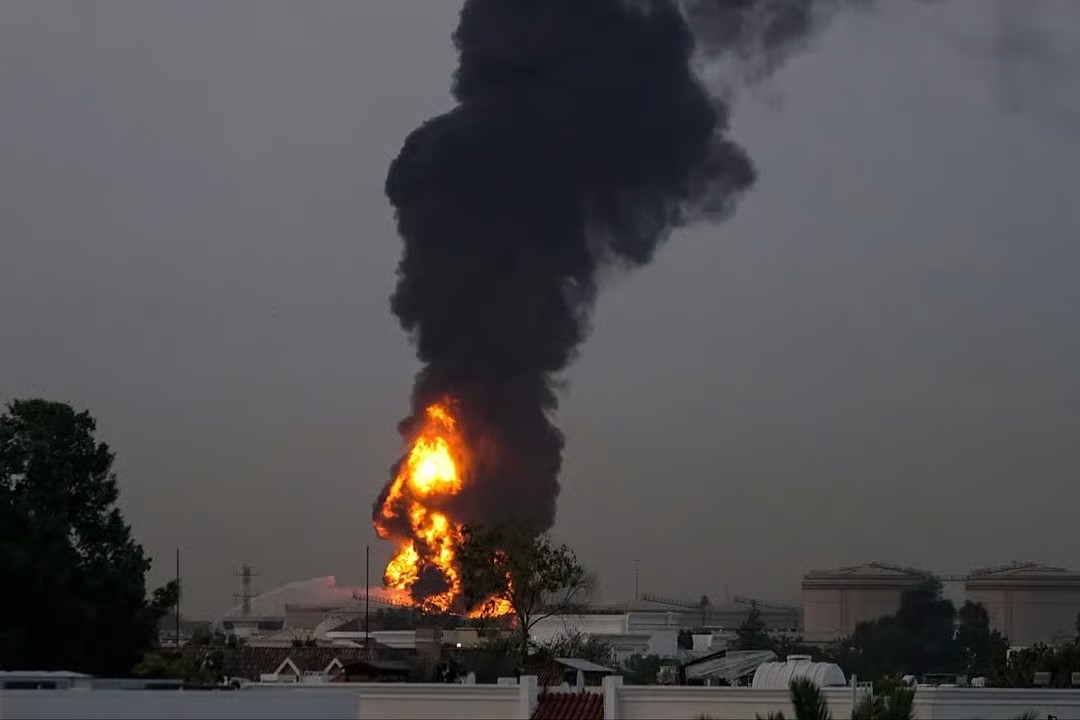

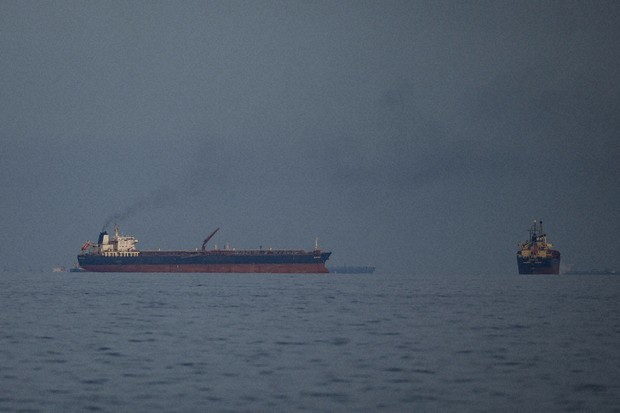
Transit of oil tankers through the Strait of Hormuz has been disrupted amid rising tensions in the Middle East following renewed Israeli strikes on Lebanon, according to Iranian media reports.
Iran’s Fars News Agency said the slowdown in tanker movement coincided with the latest wave of Israeli attacks, heightening concerns over the safety of one of the world’s most vital oil transit routes. Earlier, two tankers were reportedly cleared to pass through the strait with authorisation from Tehran.
The disruption comes as a fragile ceasefire hangs in the balance, with signs it could unravel if hostilities persist.
A source cited by Tasnim News Agency indicated that Iran is weighing a withdrawal from the truce, accusing Israel of breaching the terms of the two-week ceasefire intended to halt fighting across multiple fronts, including Lebanon.
The source warned that Iran’s armed forces are reviewing potential response options, signalling a risk of further escalation if the situation deteriorates. “If the United States cannot control its rabid dog in the region, Iran will exceptionally help it in this regard, by force,” the source said.
International actors have since called for restraint. Pakistan Prime Minister Shehbaz Sharif cautioned that reported violations could derail ongoing diplomatic efforts, urging all parties to respect the ceasefire.
“Reports have been received of ceasefire violations in several locations within the conflict zones,” Mr Sharif said, warning that such actions undermine the peace process.

China also weighed in, linking the disruption in the Strait of Hormuz to wider geopolitical tensions. Chinese Foreign Ministry spokesperson Lin Jian attributed the instability to what he described as unlawful military actions by the United States and Israel against Iran.
“The fundamental solution to ensuring safe passage of ships through the Strait is to end the conflict as soon as possible,” he said.
Beijing has urged the United Nations Security Council to prioritise de-escalation, backing a draft resolution jointly proposed with Russia to promote dialogue and safeguard navigation through the strategic waterway.
The Strait of Hormuz remains a critical artery for global oil supplies, and any disruption to tanker traffic could send ripple effects across international energy markets.
With Iran weighing its next move, Israel pressing on with military operations, and global powers pushing for restraint, the situation remains volatile, raising fears of a wider regional confrontation if diplomacy fails.