
By Moses Paul Odongo
Recently, while perusing the Daily Monitor of November 18, 2025, I came across an article on page 25 written by Olivier Mukaaya, titled “Abortion crisis as girls turn to unsafe practices.”
As I read it carefully, word for word, I found myself tearing up as I reflected on what the 19-year-old girl in the story went through. She had already endured the trauma of sexual assault. When she later discovered she was pregnant, fear, shame and the weight of that experience overwhelmed her.
She needed support, access to information, counselling, and a safe place to seek help. But in her rural community in Namisindwa District, none of those systems existed. With nowhere to turn, she sought the help of a traditional healer who gave her a mixture of bitter herbs, hoping it would end her pregnancy. The situation went terribly wrong, and she lost her life.
Her death was preventable. With proper information, access to health services, or even clearer legal guidance on how such complex situations should be handled, her story could have ended differently. Instead, she became one of the countless young women caught at the intersection of silence, stigma, and a law whose ambiguity leaves many unsure of where to seek safe help.
According to the UNFPA “Right(s) Here: Delivering SRHR under COVID-19” report, complications from unsafe abortion remain one of the major drivers of maternal illness and death. Globally, the World Health Organization (WHO) estimates that 67,000 women, mostly in developing countries, die every year from untreated or poorly managed abortion complications.
In Uganda, the picture is no less worrying. UNFPA notes that 52 percent of pregnancies in Uganda are unintended, and a quarter of these unintended pregnancies end in abortion each year. The burden is heaviest on women and girls with the least access to accurate information, contraception, and safe reproductive-health services.
According to a 2021 study by Nanvubya et al., published in the Journal of Family Medicine and Primary Care, which surveyed 713 women aged 15–49 in the fishing communities of Kigungu Landing Site and Nsazi Island on Lake Victoria, 45% of pregnancies were unintended, and 32.5% of women who had ever been pregnant reported having had an induced abortion.
Despite significant reductions in pregnancy-related deaths over the past decade in Uganda; from 524 deaths per 100,000 live births in the 2000-01, to 189 deaths per 100,000 live births in 2022, the high number of maternal deaths remains a public health challenge.
A 2019 report by the Ugandan Ministry of Health shows that abortion related complications accounted for 5% of maternal deaths.
The Law is silent
Uganda’s legal framework on abortion sits at one of the most delicate intersections between constitutional interpretation, public health, and social morality. Article 22(2) of the Constitution states: “No person has the right to terminate the life of an unborn child except as may be authorised by law.”
On paper, this clause appears to create room for exceptions. In practice, however, the law does not clearly spell out which circumstances “authorise” termination, leaving both health workers and women navigating a confusing and often frightening legal landscape.
The Penal Code, drafted nearly a century ago, criminalises abortion in broad terms, with limited exceptions for saving the life of a pregnant woman. Yet neither the Penal Code nor the Constitution provides a clear definition of what “saving a woman’s life” means, or whether threats to her health, mental well-being, or survival beyond the immediate medical emergency qualify. As a result, interpretation is left to individual health workers, police officers, and community influencers, many of whom lack legal clarity themselves.
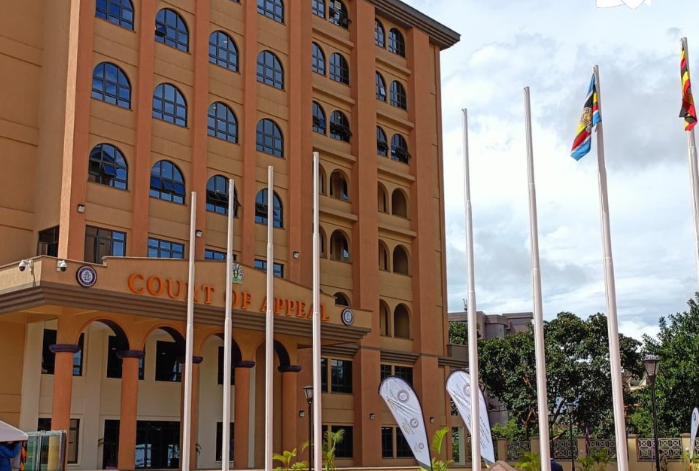
This ambiguity was at the heart of the recent Constitutional Court ruling which upheld Uganda’s abortion laws, reaffirming the criminalisation of abortion while acknowledging that licensed medical professionals may intervene to save a woman’s life. While the ruling maintained the status quo, it also reignited a long-standing debate: If the law allows life-saving abortion, why are so many women still dying from unsafe procedures?
The answer lies in the gap between what the law technically allows and what people actually understand it to allow. Legal ambiguity fuels fear; fear among health workers who hesitate to provide care, fear among women who avoid hospitals due to possible arrest, and fear among communities that lack clear, factual information about their rights and options.
This is the fear that pushed the 19-year-old girl in Namisindwa into the hands of a traditional healer instead of a qualified health professional. It is the same fear that drives thousands of young women underground, seeking help from unsafe providers because the health system appears hostile, judgmental, or even dangerous.
The tragedy is that the Constitution’s silence does not stop abortions; it only drives them out of sight. And when critical health services become a matter of guesswork, it is the poorest, youngest, and most vulnerable who pay with their lives.
Uganda has the knowledge, the data, and the health infrastructure needed to prevent such deaths. What remains is the courage to confront the uncomfortable reality: unsafe abortions are claiming the lives of our daughters, sisters, and students, not because the law forbids it, but because the law is unclear and society is silent.
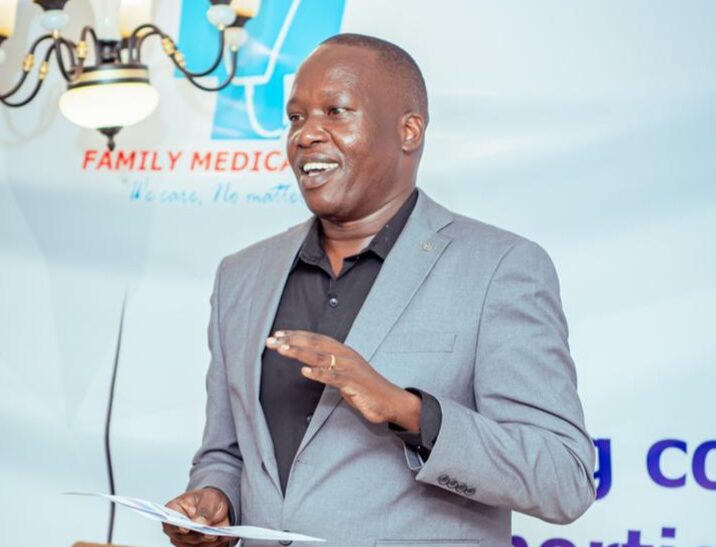
Moses Paul Odongo is a public health expert and Executive Director of Family Medical Point (FMP)
Recently, while perusing the Daily Monitor of November 18, 2025, I came across an article on page 25 written by Olivier Mukaaya, titled “Abortion crisis as girls turn to unsafe practices.”

As I read it carefully, word for word, I found myself tearing up as I reflected on what the 19-year-old girl in the story went through. She had already endured the trauma of sexual assault. When she later discovered she was pregnant, fear, shame and the weight of that experience overwhelmed her.
She needed support, access to information, counselling, and a safe place to seek help. But in her rural community in Namisindwa District, none of those systems existed. With nowhere to turn, she sought the help of a traditional healer who gave her a mixture of bitter herbs, hoping it would end her pregnancy. The situation went terribly wrong, and she lost her life.
Her death was preventable. With proper information, access to health services, or even clearer legal guidance on how such complex situations should be handled, her story could have ended differently. Instead, she became one of the countless young women caught at the intersection of silence, stigma, and a law whose ambiguity leaves many unsure of where to seek safe help.
According to the UNFPA “Right(s) Here: Delivering SRHR under COVID-19” report, complications from unsafe abortion remain one of the major drivers of maternal illness and death. Globally, the World Health Organization (WHO) estimates that 67,000 women, mostly in developing countries, die every year from untreated or poorly managed abortion complications.
In Uganda, the picture is no less worrying. UNFPA notes that 52 percent of pregnancies in Uganda are unintended, and a quarter of these unintended pregnancies end in abortion each year. The burden is heaviest on women and girls with the least access to accurate information, contraception, and safe reproductive-health services.
According to a 2021 study by Nanvubya et al., published in the Journal of Family Medicine and Primary Care, which surveyed 713 women aged 15–49 in the fishing communities of Kigungu Landing Site and Nsazi Island on Lake Victoria, 45% of pregnancies were unintended, and 32.5% of women who had ever been pregnant reported having had an induced abortion.
Despite significant reductions in pregnancy-related deaths over the past decade in Uganda; from 524 deaths per 100,000 live births in the 2000-01, to 189 deaths per 100,000 live births in 2022, the high number of maternal deaths remains a public health challenge.
A 2019 report by the Ugandan Ministry of Health shows that abortion related complications accounted for 5% of maternal deaths.
The Law is silent
Uganda’s legal framework on abortion sits at one of the most delicate intersections between constitutional interpretation, public health, and social morality. Article 22(2) of the Constitution states: “No person has the right to terminate the life of an unborn child except as may be authorised by law.”
On paper, this clause appears to create room for exceptions. In practice, however, the law does not clearly spell out which circumstances “authorise” termination, leaving both health workers and women navigating a confusing and often frightening legal landscape.
The Penal Code, drafted nearly a century ago, criminalises abortion in broad terms, with limited exceptions for saving the life of a pregnant woman. Yet neither the Penal Code nor the Constitution provides a clear definition of what “saving a woman’s life” means, or whether threats to her health, mental well-being, or survival beyond the immediate medical emergency qualify. As a result, interpretation is left to individual health workers, police officers, and community influencers, many of whom lack legal clarity themselves.
This ambiguity was at the heart of the recent Constitutional Court ruling which upheld Uganda’s abortion laws, reaffirming the criminalisation of abortion while acknowledging that licensed medical professionals may intervene to save a woman’s life. While the ruling maintained the status quo, it also reignited a long-standing debate: If the law allows life-saving abortion, why are so many women still dying from unsafe procedures?
The answer lies in the gap between what the law technically allows and what people actually understand it to allow. Legal ambiguity fuels fear; fear among health workers who hesitate to provide care, fear among women who avoid hospitals due to possible arrest, and fear among communities that lack clear, factual information about their rights and options.
This is the fear that pushed the 19-year-old girl in Namisindwa into the hands of a traditional healer instead of a qualified health professional. It is the same fear that drives thousands of young women underground, seeking help from unsafe providers because the health system appears hostile, judgmental, or even dangerous.
The tragedy is that the Constitution’s silence does not stop abortions; it only drives them out of sight. And when critical health services become a matter of guesswork, it is the poorest, youngest, and most vulnerable who pay with their lives.
Uganda has the knowledge, the data, and the health infrastructure needed to prevent such deaths. What remains is the courage to confront the uncomfortable reality: unsafe abortions are claiming the lives of our daughters, sisters, and students, not because the law forbids it, but because the law is unclear and society is silent.
The wtiter is a public health expert and Executive Director of Family Medical Point (FMP)