
As global health systems navigate shrinking donor funding and continue recovering from the far-reaching effects of the COVID-19 pandemic, experts are increasingly turning to digital innovations to sustain healthcare delivery.
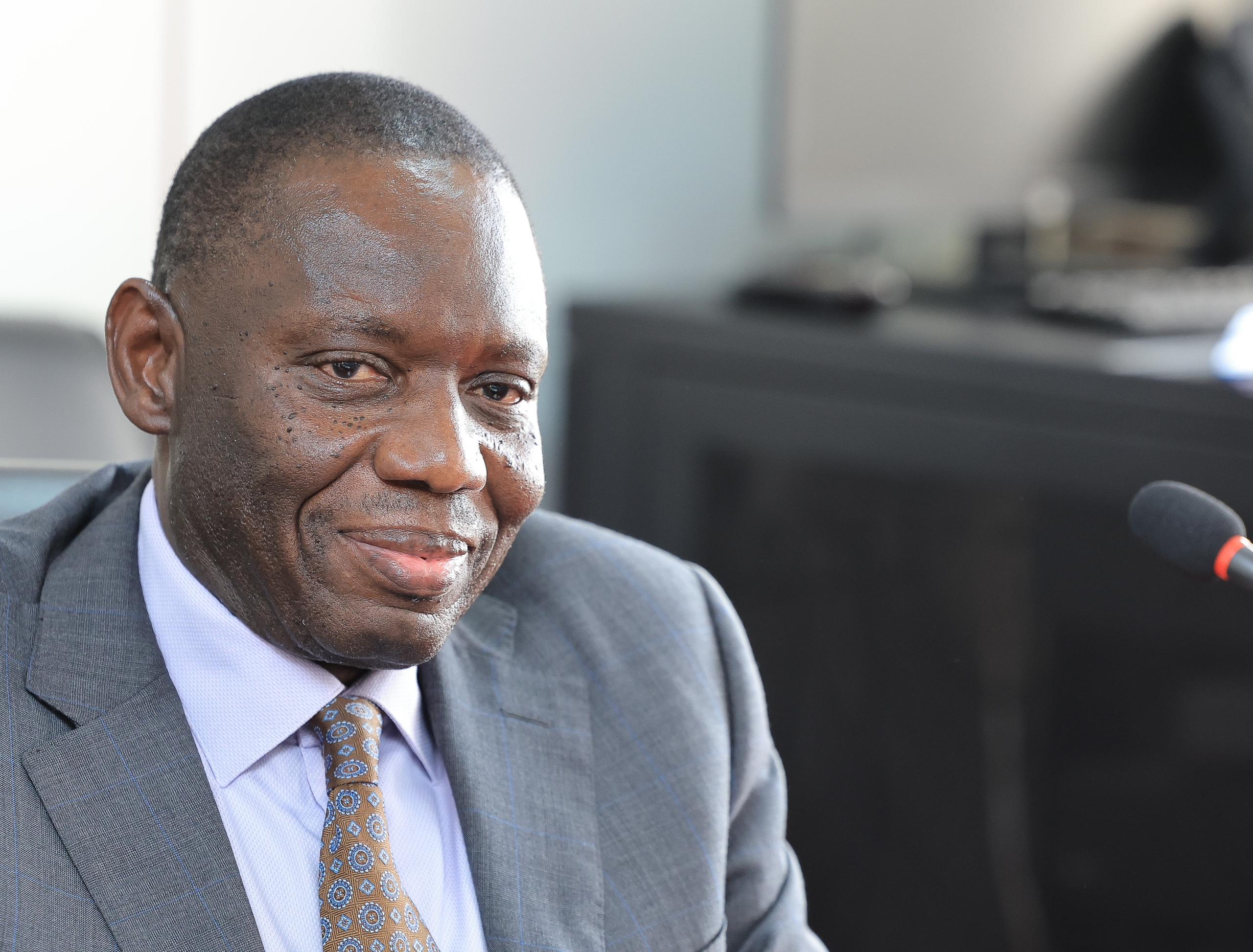
Dr Caroline Kisia, Africa Director of Project ECHO, says that smart use of digital technologies has become crucial in equipping frontline health workers—both in rural and urban areas—with the knowledge and skills needed to tackle emerging health threats.
Dr Kisia made these remarks following the Eastern Africa Regional Global Health Security Summit held in Nairobi from January 27–29. The summit convened government health officials, development partners, and technical experts to evaluate the region’s health security landscape and identify shared priorities for improving preparedness, response capacity, and cross-border collaboration.
Project ECHO operates in over 190 countries, with more than 1,600 local hubs that connect frontline health workers for virtual training on diseases such as Ebola. In Africa alone, the programme is active in more than 35 countries, supporting nations like Uganda and Kenya to build essential skills cost-effectively, without the need for travel.
Last month, with backing from the Gates Foundation, Project ECHO launched an initiative to significantly strengthen infectious disease collaborative surveillance in seven African countries: Ethiopia, Kenya, Mozambique, Nigeria, Senegal, Tanzania, and Zambia.
Dr Kisia explained that Project ECHO leverages digital technologies to fortify health systems by linking frontline workers with specialist expertise via virtual platforms.
She noted that its tele-mentoring model combines videoconferencing with digital tools to enable real-time knowledge sharing, case-based learning, and ongoing professional development, empowering health workers to manage infectious diseases such as HIV, hepatitis C, tuberculosis, and COVID-19 effectively.

“By providing access to specialist guidance even in remote and resource-limited areas, this approach helps countries build resilient health systems at a time when donor funding is declining,” Dr Kisia said.
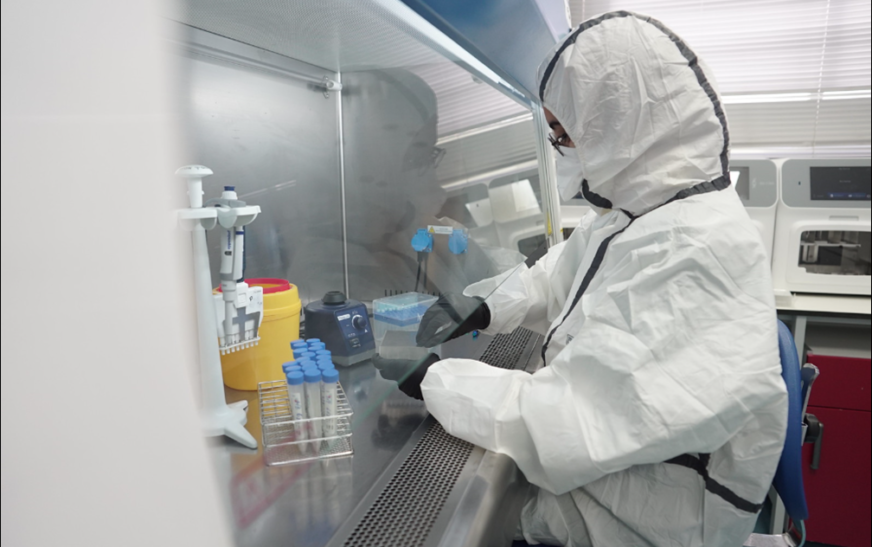
Reflecting on the impact of these digital tools in East Africa, she added, “Project ECHO’s tele-mentoring model was instrumental during Uganda’s 2022 Ebola outbreak. We quickly scaled virtual training from bi-weekly to daily sessions, reaching frontline health workers in both Kampala and rural districts. Specialists from WHO, CDC, and local institutions provided real-time guidance on infection prevention, safe case management, lab diagnostics, and burial practices through Zoom-based hubs.”
She further explained, “This approach ‘moved knowledge to the frontlines’ without requiring travel, helping health workers contain Ebola in high-risk urban areas, reduce fatalities, and inform scalable responses to later outbreaks like mpox.”
Dr Kisia also emphasized that the ECHO model helps address workforce gaps in disease surveillance and response. “Through low-cost videoconferencing and hub-and-spoke tele-mentoring, specialists can train dispersed frontline workers on outbreak detection, contact tracing, and early warning protocols—without the need for expensive in-person workshops,” she said.