
Qatar’s energy minister, Saad Sherida Al-Kaabi, has warned that the escalating conflict in the Middle East could unleash a severe global economic shock, potentially pushing oil prices to as high as $150 per barrel if energy exports from the Gulf are disrupted.
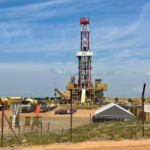
According to remarks reported by the Financial Times, Al-Kaabi said the conflict risks halting energy shipments from the Gulf within days if fighting intensifies. The warning follows a drone strike that struck Qatar’s Ras Laffan Industrial City, the country’s key liquefied natural gas (LNG) export hub.
The attack forced QatarEnergy to declare force majeure, suspending some contractual obligations due to circumstances beyond its control. Qatar is currently the world’s second-largest exporter of liquefied natural gas, making any disruption to its supply significant for global energy markets.
Al-Kaabi warned that even if the conflict were to end immediately, it could take weeks or months for Qatar to fully restore normal LNG deliveries following the damage to the facility. He added that if the fighting continues, other Gulf energy producers could also suspend exports to avoid legal liabilities once they fail to meet delivery contracts.
Although Qatar sends relatively small volumes of gas to Europe, the minister noted that the continent would still face serious consequences. Asian buyers, he said, would likely outbid European importers for available supplies, worsening shortages as Gulf producers struggle to maintain existing commitments.
The warning comes amid rising tensions involving the United States, Israel, and Iran, developments that have already rattled energy markets worldwide.

Following the escalation, Brent Crude climbed to around $87.6 per barrel, while European natural gas prices also surged as traders reacted to the growing risk of supply disruptions.
Al-Kaabi warned that the wider consequences could be severe, including soaring energy prices, supply shortages and industrial disruptions across multiple sectors.
“This will bring down the economies of the world,” he said.