

For the first time since 1863, three of the world’s major religious and cultural observances — Ramadan, Lent and the Lunar New Year — have begun within a 24-hour window, creating a rare convergence not expected to occur again until 2189.
The unusual alignment has drawn global attention, not only for its statistical rarity but also for the symbolism it carries across faiths and cultures.
This year, Ramadan began at sunset on February 17, ushering in the ninth month of the Islamic lunar calendar. Muslims across the world commenced the month-long fast at dawn on February 18, abstaining from food and drink from sunrise to sunset.
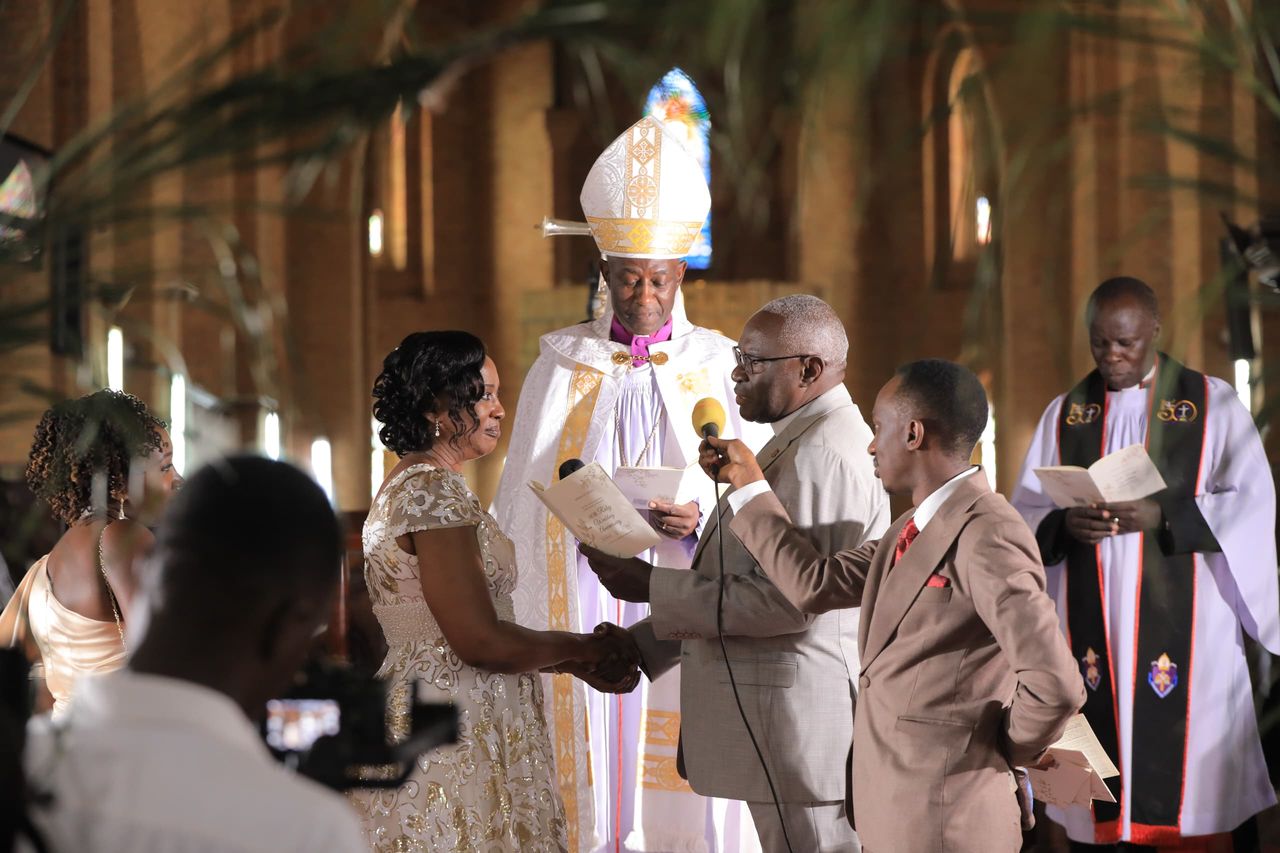
On the same day, Christians marked Ash Wednesday, the start of Lent, a 40-day period of prayer, fasting and repentance leading up to Easter.
Just hours earlier, on February 17, millions across East and Southeast Asia welcomed the Lunar New Year, also known as Chinese New Year, which this year ushers in the Year of the Horse under the traditional zodiac cycle.
A cycle shaped by three calendars
The rarity of the triple alignment lies in the fact that the three observances follow different calendar systems.
Ramadan is determined by the Islamic Hijri calendar, which is purely lunar and approximately 354 or 355 days long. As a result, it shifts about 10 to 11 days earlier each year in the Gregorian calendar.
Lent, on the other hand, is calculated according to the Gregorian solar calendar and is tied to Easter, which falls on the first Sunday after the first full moon following the March equinox.
The Lunar New Year follows a lunisolar calendar, meaning it is based on moon cycles but adjusted periodically with leap months to remain aligned with the solar year and seasons.
For all three to begin within 24 hours requires an extraordinary synchronization of lunar phases, solar positioning and ecclesiastical calculations — a convergence that mathematical modelling shows happens only once every century and a half or more.
The last occurrence: 1863
The previous time this happened was in 1863, during the American Civil War under President Abraham Lincoln.
Historical calendar records show that in 1863, Ash Wednesday fell on February 18. The Lunar New Year, marking the Year of the Water Rabbit, occurred on February 25 that year, while Ramadan in the Islamic year 1279 AH fell later in the Gregorian calendar cycle. Calendar variations and differences in historical moon sightings have led scholars to describe the 1863 convergence as a rare early-year clustering rather than an exact identical-day alignment.
Nevertheless, the broad overlap of these major observances in the same narrow seasonal window has not been recorded again until now.

After 2026, astronomical projections indicate that the next similar convergence will not occur until 2189.
Shared themes across traditions
Despite their doctrinal differences, the three observances share common themes of renewal, reflection and community.
For Muslims, Ramadan is a sacred month of fasting, intensified prayer, charity and spiritual discipline, culminating in Eid al-Fitr.
For Christians, Lent is a solemn season of repentance and preparation for Easter, commemorating the 40 days Jesus spent fasting in the wilderness.
The Lunar New Year, while cultural rather than strictly religious, emphasises family reunions, gratitude, prosperity, and fresh beginnings, marked by traditional meals, symbolic decorations and communal celebrations.
Scholars of comparative religion note that the 2026 convergence offers a powerful reminder of humanity’s shared rhythms — cycles of restraint and celebration, repentance and renewal.
In cities around the world, the overlap has already produced striking scenes: lantern festivals unfolding alongside iftar preparations, and churches marking Ash Wednesday as Muslim communities gather for evening prayers.
A moment unlikely to be repeated soon
Because the Islamic lunar calendar drifts steadily against the solar year, Ramadan will continue moving backward through the seasons in the coming decades. Lent will remain tied to the spring equinox, while the Lunar New Year will continue to oscillate between late January and mid-February.
The delicate astronomical choreography required for all three to align within a single 24-hour window makes the event extraordinarily rare.
For now, 2026 stands as a unique historical moment — one that connects Abraham Lincoln’s era to the present, and one that will not be witnessed again for more than 160 years.
In a divided world, some observers see poetic meaning in the convergence: three traditions, billions of people, and one shared reminder that time, faith and culture often move on different tracks — but occasionally, they meet.