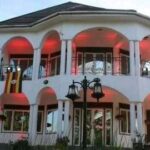

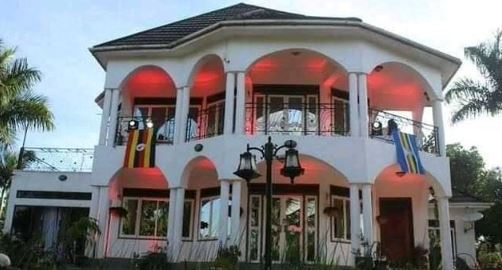
Security agencies, including the police and army, have withdrawn from the residence of former presidential candidate Robert Kyagulanyi Ssentamu, popularly known as Bobi Wine, ending a two-month security siege at his home in Magere.
The development comes just weeks after Kyagulanyi left Uganda for the United States, where he is currently engaging international allies following a period of hiding that lasted nearly two months.
The heavy security deployment dates back to January, shortly after the presidential election in which incumbent Yoweri Museveni was declared winner. Kyagulanyi, who contested under the National Unity Platform (NUP), alleged widespread irregularities and rejected the outcome.
According to Kyagulanyi, security forces raided his home soon after the election, forcing him into hiding over fears for his safety.
“Two months ago, Museveni yet again usurped the will of the people and declared himself president at gunpoint. A day later, the military invaded my home to harm me, but I was able to evade them and go into hiding,” he said.
He added that security agencies intensified efforts to track him down, including raids on the homes of his associates, roadblocks, and arrests of individuals linked to his campaign.
“Over the past two months, the government has looked for me everywhere… raided my village home and kept my residence under siege, but they couldn’t find me,” he said.
Kyagulanyi described his departure from Uganda as temporary, noting that he intends to rally international support before returning to continue his political activities.
“I am undertaking a brief exit to engage with our friends and allies around the world. I will return to continue the struggle for freedom and democracy,” he said.

Earlier reports indicated that the military had forcefully taken over his Magere residence, with soldiers occupying both the interior and surrounding areas.
Police spokesperson Rusoke Kituuma had previously defended the deployment, saying it was based on “specific operational requirements” tied to national security, while maintaining that Kyagulanyi was not facing any immediate charges.
The January 23 raid on his home—confirmed by both Kyagulanyi and the military—came amid reports that the opposition leader had gone into hiding following the January 15 election.
Kyagulanyi finished second in the poll, trailing President Museveni, who secured 71 percent of the vote.
The Chief of Defence Forces, Muhoozi Kainerugaba, later confirmed that the Uganda People’s Defence Forces carried out the operation but denied allegations of abuse against Kyagulanyi’s family. He also indicated that the search for the opposition leader had been halted on the orders of the Commander-in-Chief.
With security forces now withdrawn, the situation marks a significant shift in the standoff that had drawn both local and international attention in the aftermath of the elections.