

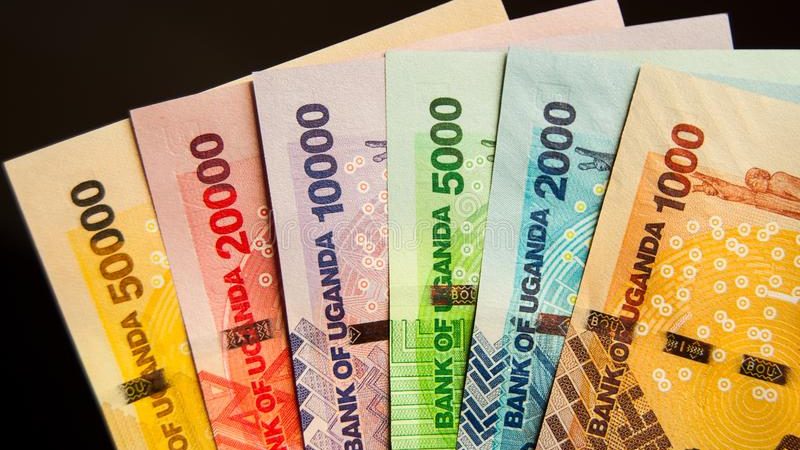
The Uganda shilling weakened by approximately 0.56% during last week’s trading session, closing at Shs 3,570/3,580 against the US dollar amid unusually strong festive-season demand.
Despite steady dollar inflows from commodity exporters, remittance firms, and charitable organizations, persistent hard currency demand from offshore entities, manufacturing companies, and energy firms outweighed supply, resulting in a week-on-week depreciation. The market also recorded some corporate inflows as firms converted dollars into shillings to meet mid-month tax obligations. As the country approaches the January 15 general elections, the shilling is expected to continue trading within a wide range of Shs 3,540–3,620 in the near term.
Commenting on market liquidity, Richard Nsubuga, Acting Head of Trading, CIB Markets at Absa Bank Uganda, noted that mid-month tax obligations triggered tight liquidity conditions during the week, exerting upward pressure on short-term interbank funding rates. However, liquidity conditions were eased following Treasury Bill and Bond redemptions totaling approximately Shs 655 billion on Thursday.
Overnight and one-week interbank funds averaged 10.06% and 10.29%, respectively. Results from last week’s Treasury Bill auction—also the final auction of the calendar year—aligned closely with market expectations, with yields remaining broadly stable.
“The benchmark tenors cleared as follows: 91-day at 11.033%, 182-day at 13.071%, and 364-day at 14.900%. The Ministry of Finance accepted Shs 521.07 billion in face value, representing an allocation of 147%, well above the auction offer of Shs 355 billion,” Nsubuga said.
Regionally, the Kenya shilling traded with a stronger bias throughout the week, supported by dollar inflows from inward remittances and subdued demand from banks and local corporates. The currency traded at 128.80/129.10, stronger than the 129.25/129.35 levels recorded at the end of the previous week. Looking ahead, the Kenya shilling is expected to remain firm, underpinned by continued dollar inflows ahead of the festive season.

Globally, the US dollar index hovered near 98.4 on Friday, set to close the week flat as markets assessed the likelihood of further Federal Reserve rate cuts next year amid easing inflation and signs of labor market softness. November CPI data showed headline inflation slowing to 2.7%, below the 3.1% forecast, while core inflation eased to 2.6%, its weakest pace since early 2021. Meanwhile, unemployment rose to 4.6%, the highest level since 2021. These trends suggest the Federal Reserve may have increased flexibility to cut rates in 2026, although policy is expected to remain unchanged at the January meeting.
“Gold hovered near USD 4,320 per ounce, close to its October record high, and was on track for a second consecutive weekly gain as weaker-than-expected US inflation data reinforced expectations of future interest rate cuts,” Nsubuga added.
Meanwhile, WTI crude oil futures slipped below USD 56 per barrel, marking a second consecutive weekly decline as persistent oversupply concerns outweighed geopolitical risks. Earlier in the week, prices fell to their lowest level in nearly five years amid expectations of abundant supply, driven by OPEC+ gradually restoring shut-in capacity and rising output from non-OPEC producers. Weakening demand signals from major consumers, including China and the United States, further weighed on prices, leaving oil down approximately 20% year-to-date.