
Uganda’s aviation regulator has moved to investigate a wave of flight cancellations and delays at Uganda Airlines after growing passenger complaints and mounting public scrutiny over the national carrier’s operations.
The Uganda Civil Aviation Authority (UCAA) confirmed that it will open inquiries into the disruptions, which have left dozens of travellers stranded and disrupted travel plans during the busy holiday period.
Speaking in Kampala on Tuesday, UCAA Director General Fred K. Bamwesigye said the situation does not currently raise safety concerns but requires regulatory attention.
“There is no immediate safety issue, but we are going to investigate to establish what is happening and determine the appropriate way forward in line with aviation oversight standards,” Bamwesigye said.
Uganda Airlines has faced a backlash in recent days after passengers reported missing scheduled flights, repeated rescheduling, and limited assistance at Entebbe International Airport. Frustrated travellers took to social media to share images and accounts of being left at check-in counters with little communication from the airline.
In a statement issued on December 13, the airline acknowledged disruptions to its operations and said efforts were underway to restore normal schedules. The assurance, however, failed to quell online criticism.
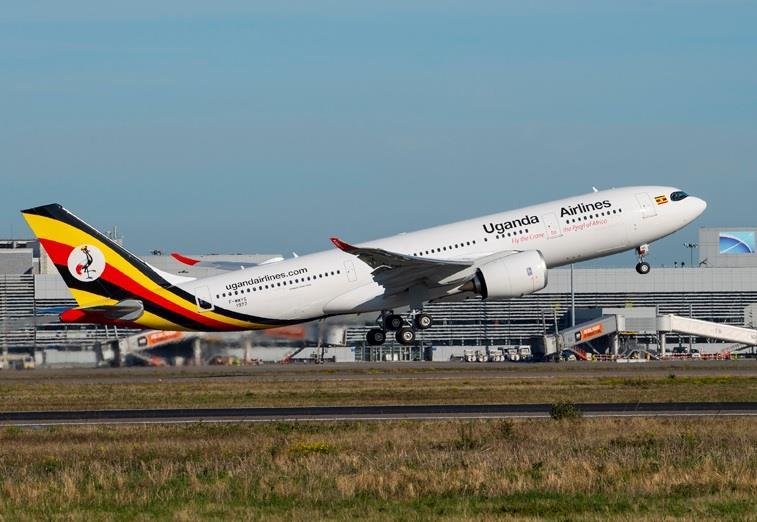
Passengers described multiple cancellations, including a midweek flight to Zanzibar that was pushed to the following day, while a return service was delayed until late at night before being postponed again. Airline sources indicated that capacity constraints involving an Airbus A330-800neo contributed to the disruptions.
Uganda Airlines later confirmed that technical challenges affecting parts of its fleet were responsible for the delays and cancellations, adding that corrective measures are being implemented.
Chief Executive Officer Jenifer Bamuturaki apologised to affected passengers, saying the airline was working to stabilise operations. She explained that technical issues affecting even a small number of aircraft can have widespread consequences for carriers operating limited fleets.

“With a fleet of seven aircraft, grounding one or two for maintenance or technical checks inevitably affects the entire network,” Bamuturaki said.
She rejected claims circulating online that Uganda Airlines’ long-haul aircraft had been stranded in destinations such as London and Lagos, insisting that international services remain operational. She pointed to the recent arrival of a flight from London as evidence that long-haul operations are continuing.
Bamuturaki also cited industry-wide constraints, including NOTAMs that regulate airport slots, saying these further reduce scheduling flexibility for airlines when disruptions occur unexpectedly.
As passenger dissatisfaction grows, the disruptions have sparked broader public debate about the airline’s performance. Investigative journalist Andrew Mwenda described the situation as a steep operational decline, alleging mismanagement and calling for either a leadership overhaul or the airline’s closure due to what he characterised as unsustainable public expenditure.
Aviation analysts urge caution, noting that airlines with small fleets are especially exposed to technical setbacks because they lack spare aircraft to absorb shocks. Delays in aircraft deliveries and global supply-chain pressures, they add, have compounded challenges for newer carriers.
Despite the turbulence, Uganda Airlines says restoring operational stability and rebuilding passenger confidence are its immediate priorities, as the regulator prepares to scrutinise the disruptions and chart a path forward.