
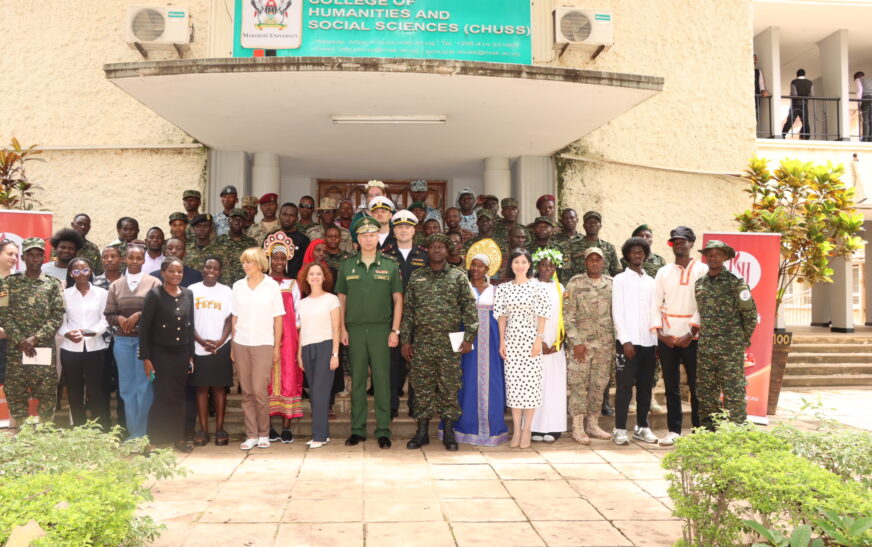
A growing number of Ugandans are looking beyond English, turning to international languages as gateways to global opportunity, diplomacy, and cultural exchange. This shift was on full display at a vibrant showcase where Uganda People’s Defence Forces (UPDF) personnel and civilian students demonstrated their command of the Russian language—not just as learners, but as cultural ambassadors.
Through confident greetings, lively expressions, poetry by the legendary Pushkin, and music, the students revealed more than linguistic ability—they reflected a deepening connection to Russian culture.
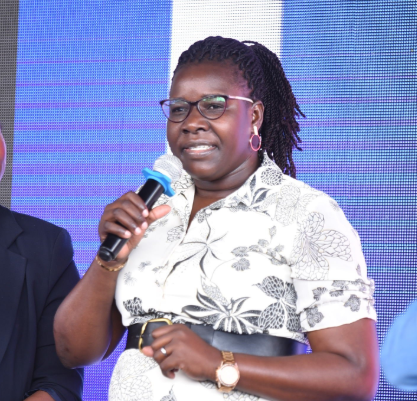
The event, organized by Olga Atubo, President and Coordinator of the Russian-speaking Women’s Association in Uganda (Rosinka), brought together a diverse audience of military and civilian tutors, cultural advocates, and dignitaries. Among them were Major General Sergei Marchuk, Head of Russian Military Experts in Uganda; Major Frederick Wanambwa, Coordinator of Training at the UPDF School of Defence Intelligence and Security, representing Colonel Ezra Kukundakwe; and Dr. Eric Awich Ochen, Associate Professor and Deputy Principal of the College of Humanities and Social Sciences (CHUSS), representing the College Principal.
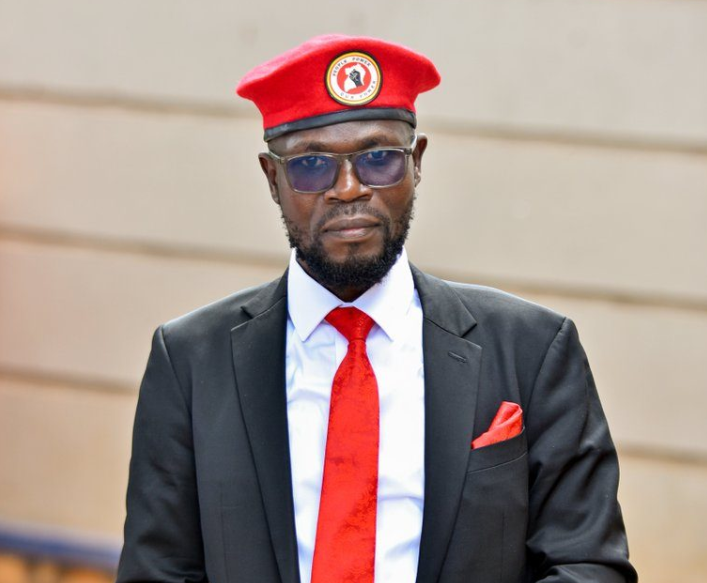
Taking to the podium, Major Frederick Wanambwa reframed the meaning of language learning, urging the audience to see Russian not merely as a communication tool, but as a living bridge to culture, history, and human connection. At the School of Defence Intelligence, where 29 UPDF soldiers are currently studying Russian, language training is increasingly viewed as a strategic asset for strengthening international cooperation.
“This is about more than speaking,” Wanambwa said. “It is about understanding a people, their history, and their way of life. Russian is often called the language of the soul and for good reason.”
He emphasized that mastering foreign languages enhances interoperability in multinational operations while also opening doors to deeper cultural appreciation. His message to the students was clear: language is power, and with it comes responsibility.
Wanambwa also commended the College of Humanities and Social Sciences for its role in promoting linguistic diversity and cultural exchange, noting ongoing collaboration with the military to expand training in languages such as Chinese and Arabic.
“As the saying goes, learning is light, and ignorance is darkness. Your dedication to this language will connect you to the world—in diplomacy, business, science, and shared human history,” he added.
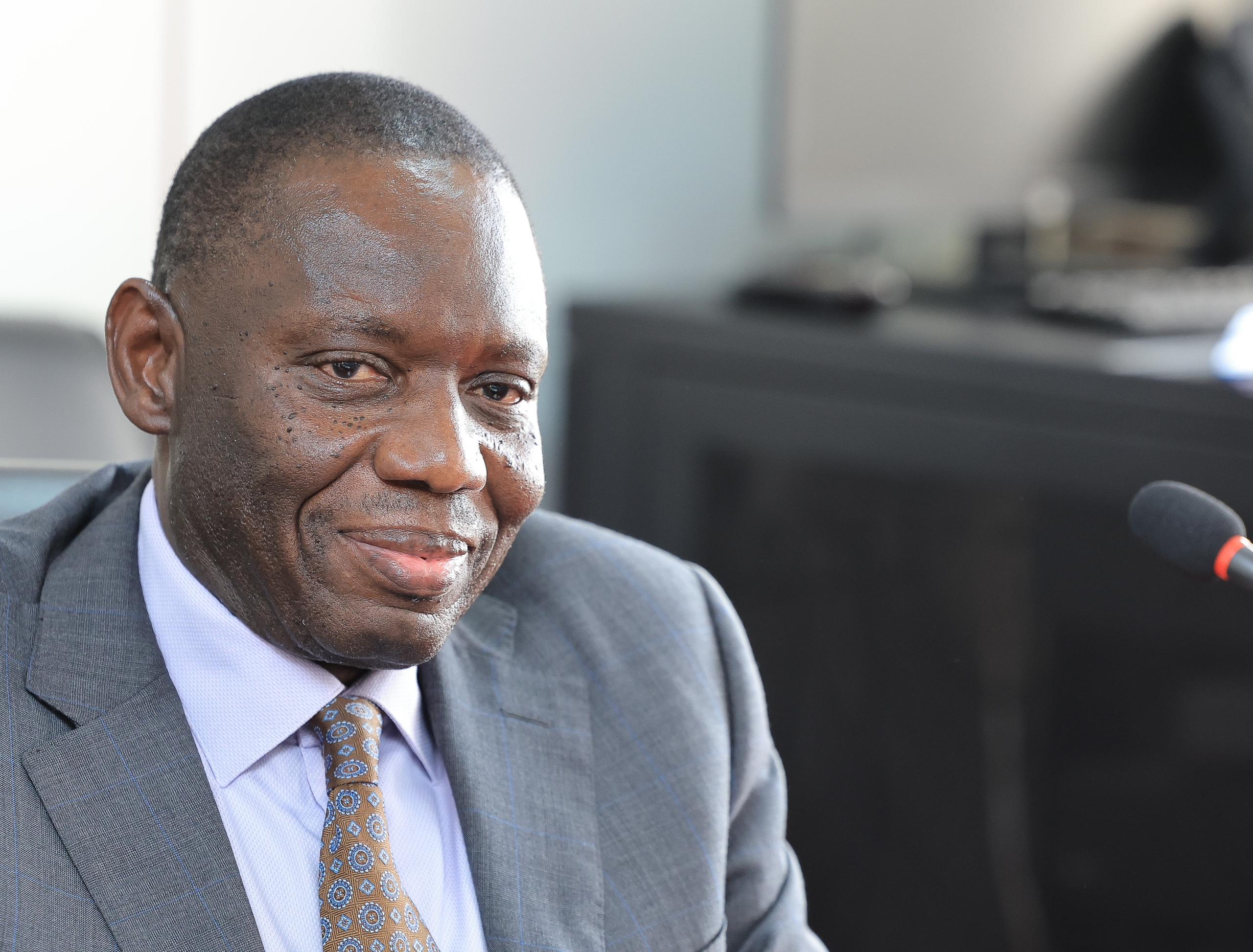
Dr. Eric Awich Ochen reinforced this perspective, highlighting the College’s partnership with the Russian Embassy in Uganda as a key driver behind the growing interest in Russian studies. He noted that the university continues to broaden its language offerings, supporting not only Russian but also Chinese, French, Spanish, and Arabic.
For Olga Atubo, the journey began with a simple observation: Ugandans were curious about Russia. What started as a modest initiative has since grown into a structured programme, supported by visiting specialists and sustained by a passionate community of instructors—many of whom have deep personal ties to Uganda.

Some members of the association have pursued advanced academic qualifications to strengthen their teaching, while others have built lives in Uganda, living in the country for decades.
“We now see ourselves as part of this community,” Olga said. “Our mission is to continue building bridges through education and cultural exchange.”
She expressed gratitude to the Russian Embassy for its continued support and highlighted the association’s collaboration with Makerere University, where Russian language classes are now offered under a formal agreement.
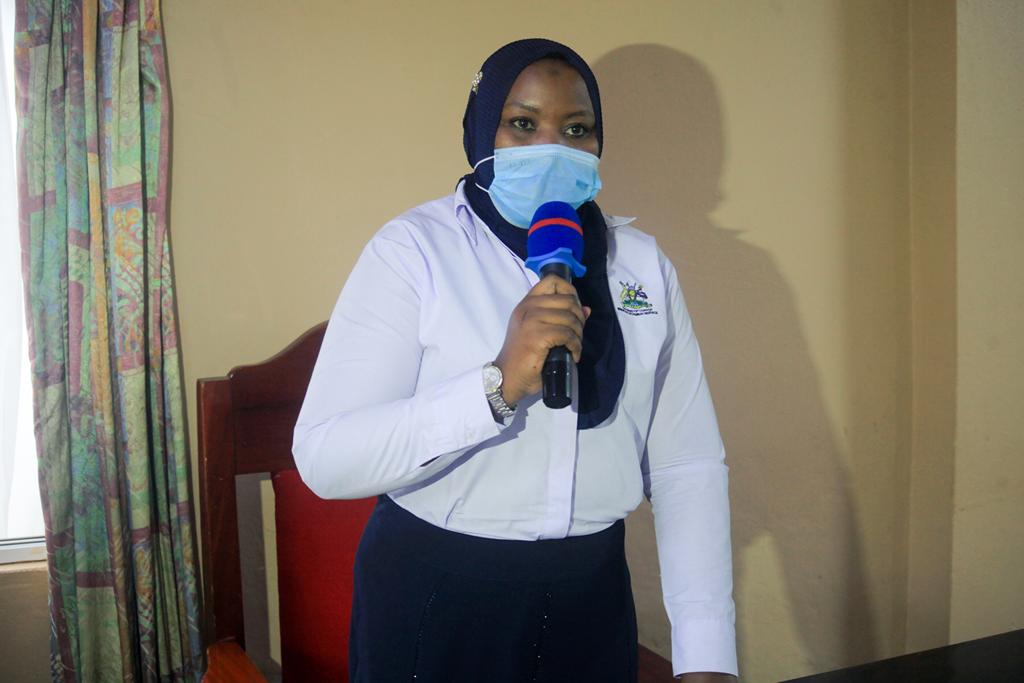
Russian language instructor Vasilyeva Oksana described the event as more than a showcase—it was a meeting point of cultures. For her, language is a powerful tool for peace.
“Where people communicate, laugh, and share experiences, there is no space for conflict,” she said. “Language brings people together and creates understanding across nations.”
Major General Sergei Marchuk echoed this sentiment, applauding the students for their confidence and progress.
“You were not afraid—you spoke well,” he told them. “Language builds friendship, and friendship strengthens cooperation.”
He encouraged both civilian and military learners to remain committed to mastering Russian and praised the institutions and leaders supporting the programme. He also noted that collaboration between the UPDF and Makerere University continues to create valuable opportunities for training, learning, and mutual growth.