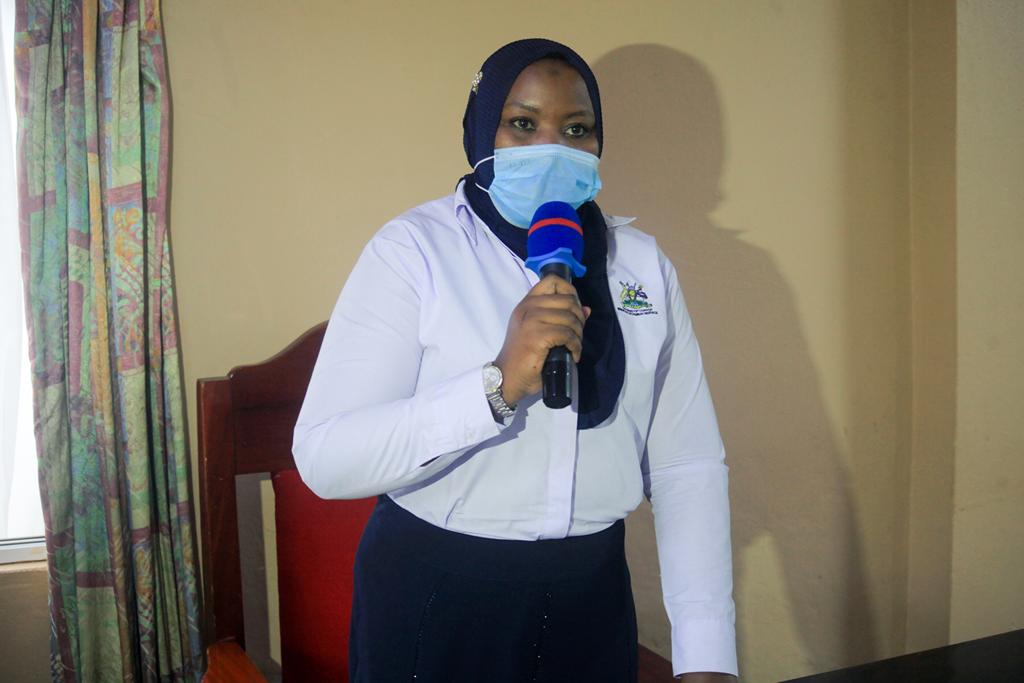

Uganda’s petroleum sector has recorded a rise in its estimated oil and gas reserves, Daily Star has learned. The update was confirmed by Ernest Rubondo, Executive Director of the Petroleum Authority of Uganda (PAU).
According to the latest resource assessments, the country’s recoverable oil resources have increased from 1.4 billion to 1.65 billion barrels. Rubondo explained that the growth is primarily driven by updated evaluations of existing discoveries in the Albertine Graben, supported by an expanded and improved data portfolio from discovery and development areas.
“The Authority reviews technical data submitted by licensed oil companies and uses this information to estimate the country’s petroleum resource endowment. This process is carried out professionally using internationally established standards,” Rubondo noted.
He added that the Tilenga, Kingfisher, and East African Crude Oil Pipeline (EACOP) projects have reached advanced stages of completion, positioning Uganda to achieve First Oil in the second half of 2026.
“Uganda’s flagship projects; Tilenga, Kingfisher, and EACOP have now reached advanced stages of completion,” Rubondo said. “The progress is substantial, and Uganda remains firmly on course to achieve First Oil in the second half of 2026.”
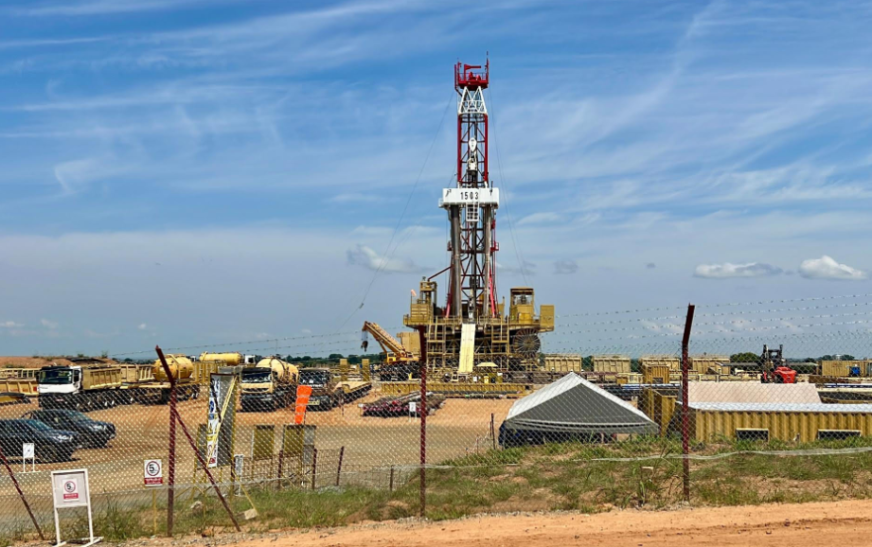
The Kingfisher Development Project has achieved a major milestone, with all 19 wells required for First Oil fully drilled. Tilenga stands at 97% completion, with 164 of the planned 170 wells drilled.
All line pipes for the 1,443-kilometre EACOP pipeline have been delivered, and over 1,000 kilometres have already been welded. Current overall progress stands at 60% for Tilenga, 74% for Kingfisher, and 75% for EACOP.
The Uganda Refinery Project is also advancing steadily following the signing of the Implementation Agreement in March 2025. Ongoing activities include finalising the refinery design, conducting pre-commissioning studies, securing project financing, and operationalising the fully incorporated Refinery Company.

To support the growing resource base, PAU has established the National Petroleum Data Centre, which hosts more than 60 terabytes of electronic data and thousands of physical samples. A planned Real-Time Monitoring Centre will enhance oversight of drilling, production, and transportation activities, improving transparency, efficiency, and safety.
PAU continues to prioritise environmental protection and social responsibility. Uganda’s petroleum projects rank among the least carbon-intensive globally and are designed to deliver net biodiversity gains. Social programmes have provided 475 modern houses for Project Affected Persons. Nearly 20,000 households now benefit from improved schools, health centres, water systems, and local infrastructure under the livelihood improvement initiatives.
“The oil and gas sector has brought tangible improvements that communities can feel,” Rubondo said.
Local participation has also grown significantly. Of the US$7 billion in approved contracts, US$2.2 billion has been awarded to Ugandan companies. Nearly 20,000 Ugandans are directly employed in the sector, with more than 180,000 engaged indirectly.
Ugandans now hold 64% of management roles, 85% of technical positions, and 99% of support jobs. Over 14,000 individuals have received vocational and technical training, and more than 40 joint ventures have supported technology transfer.
“Over the last decade, PAU has grown into a strong regulator, ensuring that Uganda’s resources benefit its people,” Rubondo added.