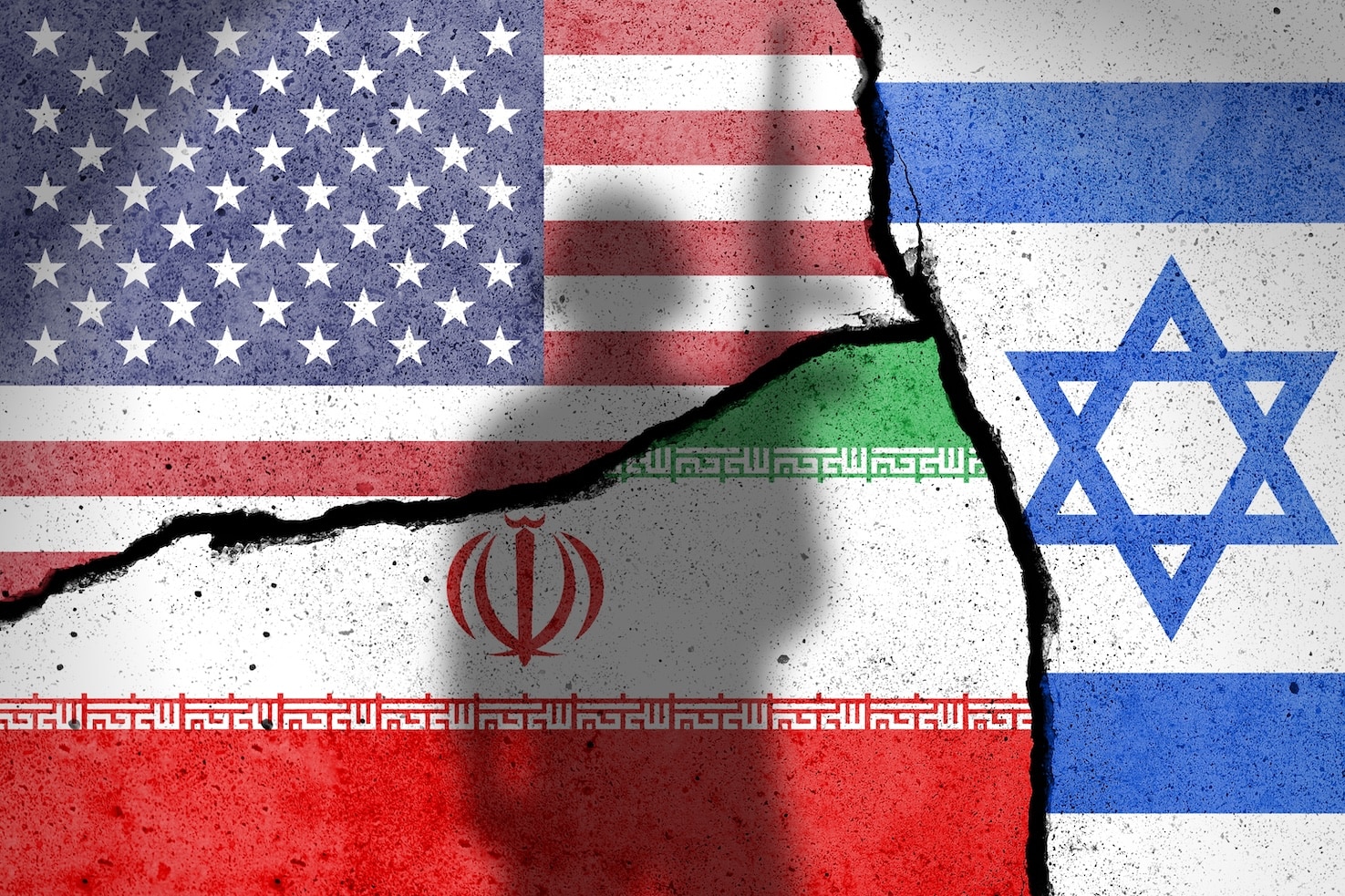

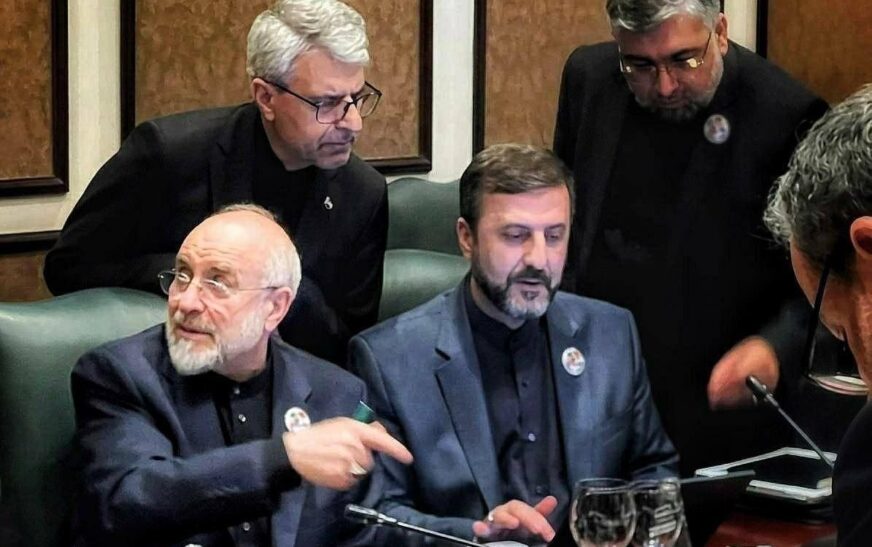
High-stakes negotiations between the United States and Iran collapsed after nearly 21 hours of talks in Islamabad, deepening uncertainty over regional security and nuclear diplomacy.
The talks, facilitated by Pakistan and involving senior political, military and technical officials, ended without agreement early Sunday, with both sides blaming each other for the deadlock.
US Vice President JD Vance said Washington had tabled what he described as its “final and best offer,” but Tehran declined to accept the terms.
“The bad news is that we have not reached an agreement,” he told reporters. “We were negotiating in good faith… and we leave here with a very simple proposal, our final and best offer.”
He added that the outcome was “bad news for Iran much more than it’s bad news for the United States,” reiterating Washington’s demand for firm guarantees that Iran will not pursue nuclear weapons or the capacity to rapidly develop them.
Iranian officials rejected the US position, accusing Washington of overreach and “excessive and unlawful demands.” State-linked Tasnim News Agency reported that Tehran’s delegation, led by Mohammad Baqer Qalibaf alongside Abbas Araqchi and Ali Bagheri, defended what it described as Iran’s fundamental rights, including its nuclear programme.
Iranian Foreign Ministry spokesperson Esmail Baghaei said some progress had been made but key disagreements remained unresolved.
“We reached understandings on a number of issues, but on two to three major points, there were differences in views, which ultimately prevented an agreement,” he said.
Officials said the Islamabad round was among the longest engagements between the two sides in recent months, conducted largely through indirect exchanges in an atmosphere of deep mistrust.
Several sticking points blocked a breakthrough. The United States pushed for guarantees on Iran’s nuclear programme, including limits on uranium enrichment and the disposal or transfer of enriched material. It also sought the reopening of the Strait of Hormuz to global shipping.

Iran, however, rejected the proposals, insisting that any concessions would depend on a comprehensive agreement addressing sanctions relief, sovereignty concerns and compensation for recent military strikes. Tehran also demanded the unfreezing of billions of dollars in assets, conditions Washington did not accept.
The strategically vital Strait of Hormuz emerged as a major flashpoint, underscoring its significance in global energy security and regional power dynamics.
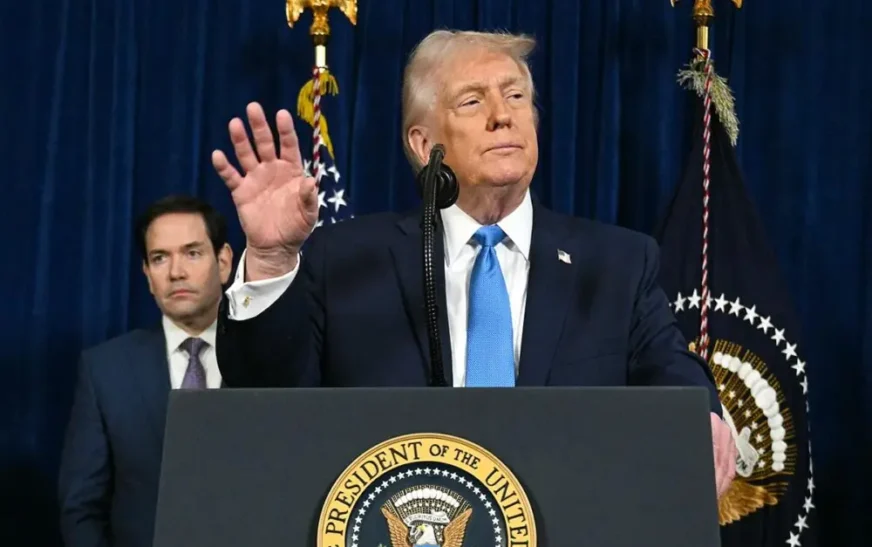
Meanwhile, former US President Donald Trump weighed in, saying he was unconcerned whether a deal is reached, while warning of consequences if external actors were found to be supplying weapons to Iran.
Despite the breakdown, Pakistan described the talks as intensive and constructive, expressing hope that dialogue would continue.
Analysts say the collapse highlights the widening gap between Washington and Tehran on core issues, including nuclear policy, sanctions, and regional security, raising questions about the prospects for a near-term diplomatic breakthrough.
Even so, neither side has formally withdrawn from negotiations, leaving open the possibility of further indirect engagements as both parties weigh their next moves.