
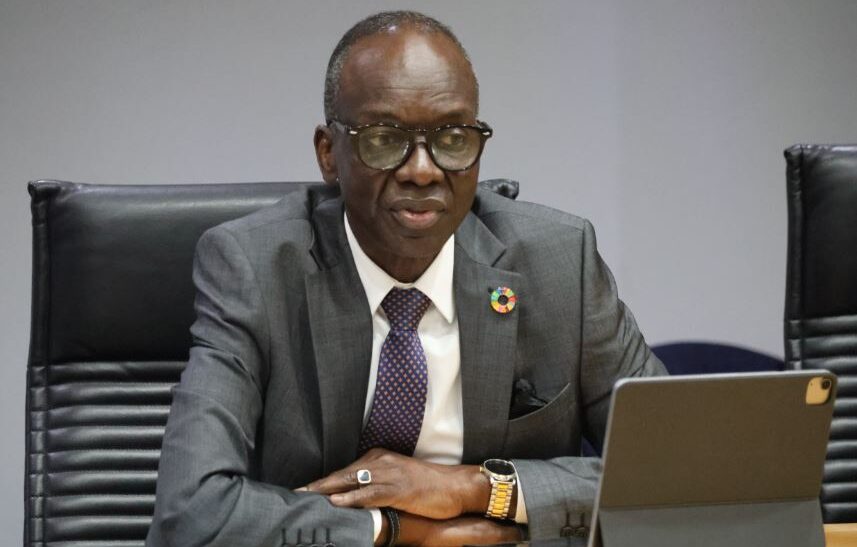
The World Health Organization (WHO) Regional Director for Africa, Dr Mohamed Janabi, has called on African governments and international partners to strengthen investment in science, research, and innovation to improve health outcomes across the continent.
In a message to mark World Health Day, Dr Janabi said the longer life expectancy and improved disease prevention seen globally are the result of sustained scientific progress over decades.
He noted that Africa has increasingly contributed to global health solutions, citing the development of Ebola vaccines during outbreaks in West and Central Africa, as well as genomic sequencing efforts in South Africa that enabled early detection of new COVID-19 variants.
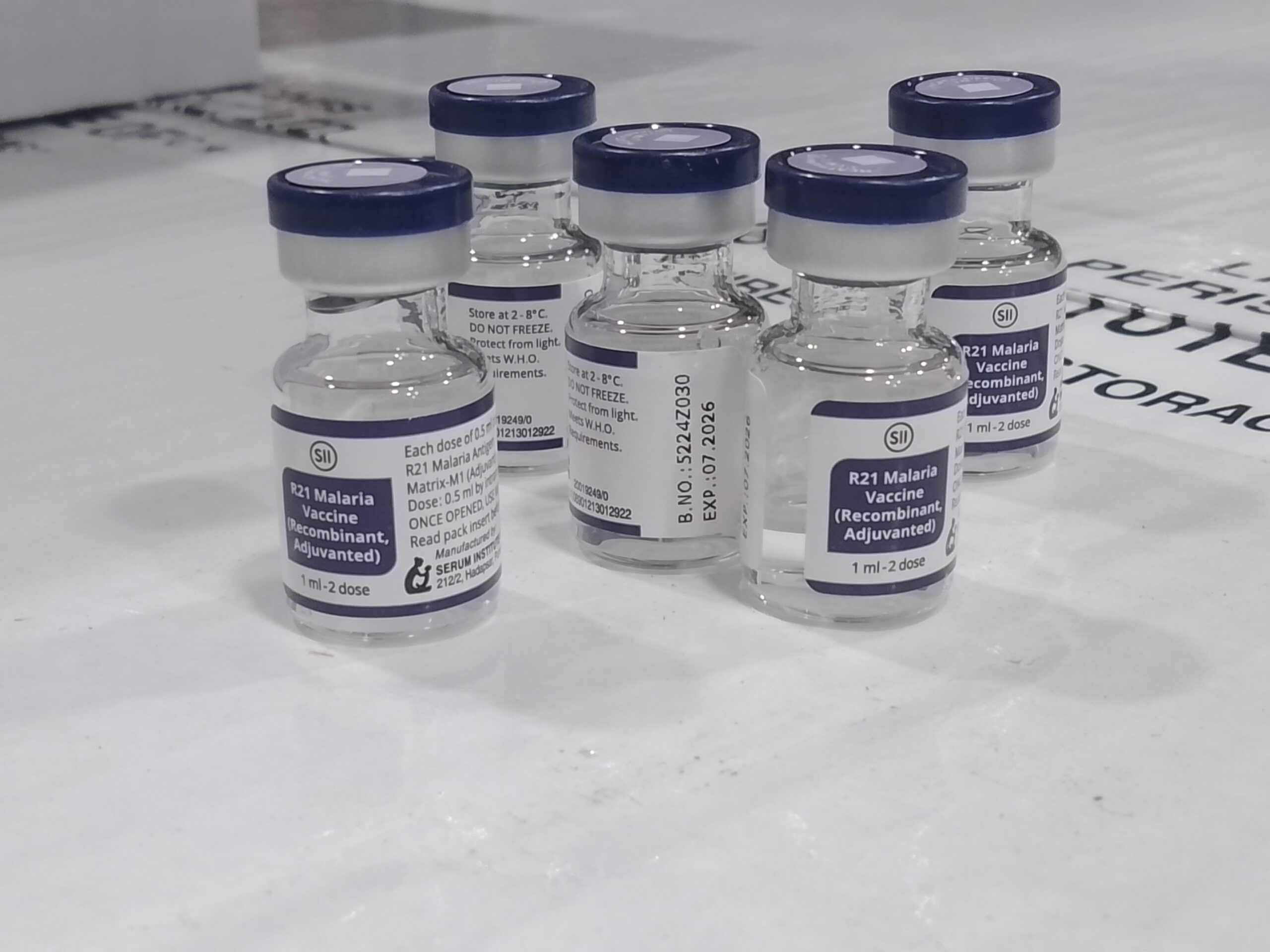
The WHO official also highlighted ongoing efforts to establish mRNA vaccine technology transfer hubs on the continent, which are expected to boost Africa’s capacity to locally produce vaccines.
“Across Africa, science is driving practical solutions that improve lives and contribute to global health,” Dr Janabi said.
He pointed to notable gains in public health, including expanded immunisation programmes that have protected millions from preventable diseases, and the use of antiretroviral therapy, which has transformed HIV/AIDS from a fatal illness into a manageable condition.
Improvements in maternal and child health, he added, have also significantly reduced deaths among mothers and newborns.
Despite this progress, Dr Janabi warned that the region continues to face multiple challenges, including persistent diseases, emerging health threats, and weak health systems.
He said addressing these issues requires coordinated action across sectors, in line with the One Health approach, which integrates human, animal, and environmental health responses.

According to WHO, 46 African countries have developed National Action Plans for Health Security, while all member states have adopted plans to address antimicrobial resistance. Several countries have also strengthened surveillance and response systems under the One Health framework.
However, Dr Janabi noted that funding for research and innovation remains inadequate, while surveillance and early warning systems require further strengthening.
He outlined WHO’s priorities for the region, including achieving universal health coverage, building resilient health systems, modernising the health workforce, and increasing domestic ownership of health programmes.
Dr Janabi urged African governments to increase domestic financing for science and innovation, while calling on international partners to support African-led initiatives and expand access to health technologies.
“A breakthrough that is not accessible to those who need it most remains unfinished work,” he said, emphasising the need for equitable access to scientific advancements.
He added that stronger collaboration between Africa and global partners will be critical in building a healthier and safer future.