

By Sheila Aboth
Across many African contexts, healthcare is still largely sought only when illness becomes unavoidable. This behaviour is often misinterpreted as negligence or lack of awareness, yet it more accurately reflects deep-rooted challenges of access and resources.
According to Health Policy Watch, only about 48% of Africans have access to basic primary healthcare services, leaving millions without convenient entry points for early care. Compounding this challenge, African Mission Healthcare reports that sub-Saharan Africa has just 1.3 health workers per 1,000 people, far below the World Health Organization’s recommended minimum for routine and preventive services.
Even for common conditions such as childhood illness, data shows that up to 15% of caregivers do not seek formal care at all, while many who do wait until symptoms are severe.
Delayed care is not a behavioural problem. It is a design problem.
In many settings, healthcare systems unintentionally condition people to treat medical care as a last resort. Limited infrastructure, overstretched facilities, and shortages of skilled health professionals make proactive care feel inaccessible, time-consuming, and inefficient. When systems are difficult to navigate, prevention is quietly deprioritised, and treatment becomes the default entry point into care.
Cultural narratives further reinforce this pattern. Across many communities, resilience and endurance are celebrated, often at the expense of early health-seeking. Strength is equated with pushing through discomfort, while preventive check-ups are viewed as unnecessary unless symptoms are visible. Over time, this mindset normalises delay and discourages proactive health management.
Economic realities compound the issue. For many families, healthcare decisions are shaped by immediate cash flow rather than long-term outcomes. Preventive care, though more cost-effective over time, is often perceived as discretionary spending. Treatment during severe illness, however, feels unavoidable and therefore justifiable, even when it is significantly more expensive.
The consequences are profound. Non-communicable diseases now account for the majority of deaths across Africa, many of which could have been mitigated or managed through early detection. When care is delayed, conditions present at advanced stages, treatment becomes more complex, costs escalate, and outcomes worsen. Beyond the clinical impact, families face growing financial strain, productivity declines, and quality of life deteriorates. The human cost of preventable illness is immeasurable.
Addressing this challenge requires a fundamental shift in how healthcare is structured and experienced. The solution is not to blame individuals for rational choices made within constrained systems. The real work lies in redesigning healthcare so that prevention is accessible, affordable, and culturally normalised.

This is where leadership in healthcare becomes critical
In practice, this approach is reflected across the C-Care network. Free blood pressure checks are available at all facilities, enabling early detection of hypertension even among patients presenting for unrelated concerns. Beyond routine facility visits, C-Care conducts corporate health outreaches, mini health camps, and community engagement programmes to reach individuals who might otherwise delay care. These initiatives integrate screening with health education, creating earlier and more welcoming entry points into the health system.
However, sustainable prevention cannot be achieved by healthcare providers alone. Collaboration with governments, NGOs, employers, and financial institutions is essential to address the structural and financial barriers that discourage early care-seeking. Mobile clinics and innovative health-financing solutions, including prepayment models and health savings schemes, help expand access while reducing the immediate financial burden on families.
The future of healthcare in Africa, and particularly in Uganda, depends on moving prevention from the margins to the mainstream. This shift will not be driven by awareness alone. It will occur when healthcare systems are intentionally designed to meet people where they are economically, culturally, and geographically, and when leaders commit to prevention as a strategic priority rather than a secondary consideration.
Normalising care before illness is not merely a health aspiration. It is an economic, social, and moral imperative.
We must address the structural drivers of delayed care and redesign systems around early intervention. Only then can we build a healthcare future where prevention is no longer the exception, but the standard.
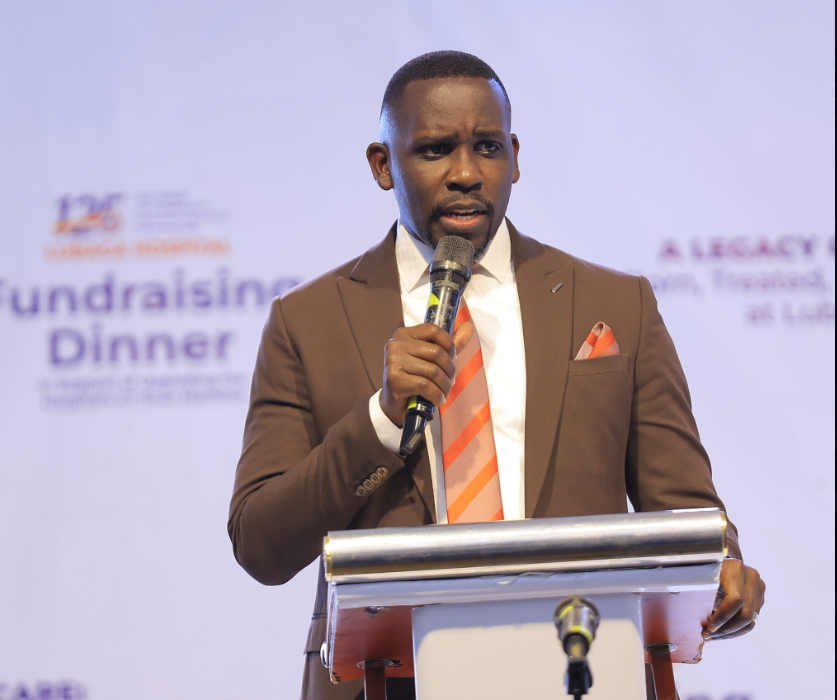
The writer is the Head of Brand and Client Experience at C-Care Uganda, explores why normalising prevention is a social, economic, and moral imperative for Africa’s health future.