
The global response to HIV has suffered its most significant setback in decades, warns a new UNAIDS report released today ahead of World AIDS Day 2025.
Overcoming Disruption, Transforming the AIDS Response details the far-reaching consequences of international funding reductions and lack of global solidarity which sent shockwaves through low- and middle-income countries heavily affected by HIV.
Abrupt reductions in international HIV assistance in 2025 have deepened existing funding shortfalls. The OECD estimates that external health assistance is projected to drop by 30–40% in 2025 compared with 2023, causing immediate and even more severe disruption to health services in low- and middle-income countries.
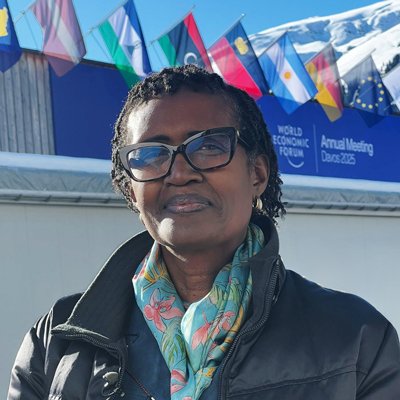
“The funding crisis has exposed the fragility of the progress we fought so hard to achieve,” said Winnie Byanyima, Executive Director of UNAIDS.
“Behind every data point in this report are people—babies and children missed for HIV screening or early HIV diagnosis, young women cut off from prevention support, and communities suddenly left without services and care. We cannot abandon them. We must overcome this disruption and transform the AIDS response.” She said
Prevention services—already under strain before the crisis—have been hit hardest. Major reductions in access medicines to prevent HIV (pre-exposure prophylaxis referred to as PrEP) and sharp declines in voluntary medical male circumcision for HIV prevention have left a growing protection gap for millions.
The dismantling of HIV prevention programmes designed with and for young women have deprived adolescent girls and young women of HIV prevention, mental health, and gender-based violence services in many countries. This increases their vulnerability further—already in 2024 there were globally 570 new HIV infections every day among young women and girls aged 15—24.
Community-led organizations the backbone of the HIV response and who were able to reach people most vulnerable to HIV report widespread closures, with more than 60% of women-led organizations suspending essential programmes.
A failure to reach the 2030 global HIV targets of the next Global AIDS Strategy could result in an additional 3.3 million new HIV infections between 2025 and 2030.
Mounting human rights concerns
The funding crisis has unfolded against a deteriorating global human rights environment, with particularly severe consequences for marginalized populations.
In 2025, the number of countries criminalizing same-sex sexual activity and gender expression rose for the first time since UNAIDS began monitoring punitive laws in 2008. Restrictions on civil society particularly those working with key populations globally and young women and girls in sub-Saharan Africa are further disrupting essential access to HIV services.

Resilience and innovation offer hope
Despite these challenges, several countries have taken swift action in a bid to close funding gaps. As a result, many countries are showing resilience when it comes to HIV treatment delivery. Some countries have reported relatively steady numbers or even an increase in new initiations on antiretroviral therapy as a result of swift action to maintain services.
Nigeria, Uganda, Côte d’Ivoire, South Africa, and Tanzania have all committed to increasing domestic investments in HIV services. UNAIDS is working with more than 30 countries to accelerate national sustainability plans.
Innovation is also gaining momentum. HIV prevention technologies—including twice yearly injections to prevent HIV—have the potential to prevent tens of thousands of new infections in high-burden settings.
New partnerships announced in 2025 by the Gates Foundation, UNITAID, the Global Fund to Fight AIDS, TB and Malaria, and the US President’s Emergency Plan for AIDS Relief have launched initiatives to ensure widespread access to affordable generic formulations of life-saving medicines, for as little as USD 40 per person per year in some cases.
“We know what works—we have the science, tools, and proven strategies,” said Ms. Byanyima. “What we need now is political courage. Investing in communities, in prevention, in innovation and in protecting human rights as the path to end AIDS.”
Developments in the latter half of 2025 offer some hope for sustaining critical international financing. The US released its new America First Global Health Strategy and is establishing bilateral agreements with around 70 countries to continue funding during a progressive transfer to self-reliant national HIV responses over the next two to five years.
The Global Fund’s recent Eighth Replenishment conference also generated pledges of USD $11.34 billion with more partners still to come forward. This is an extraordinary achievement.
A call to action
Today, 40.8 million people are living with HIV worldwide, 1.3 million new infections occurred in 2024, and 9.2 million people are still not accessing treatment.