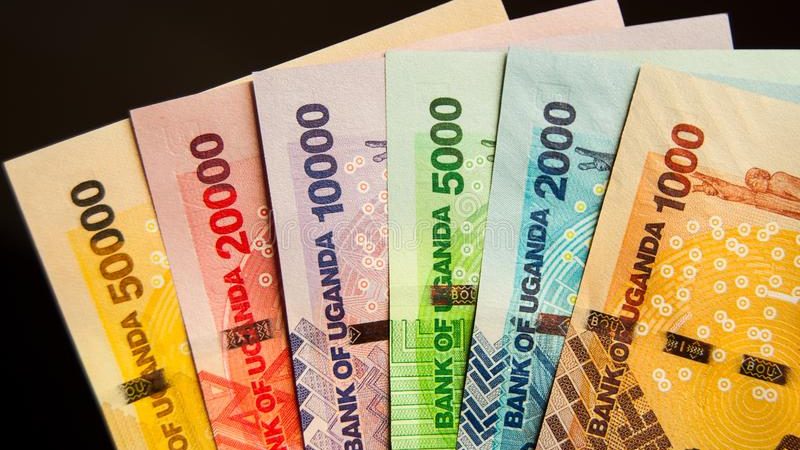


The Uganda shilling remained relatively stable during the week as the local currency continued to draw support from improved dollar supply, while global markets weighed economic data against geopolitical tensions.
The shilling traded around Shs 3,670/3,680 to the dollar during the week, compared to about Shs 3,645/3,655 previously, as demand for the US dollar remained relatively strong.
Richard Nsubuga, Ag Head of Trading, CIB Markets at Absa Bank Uganda, said movements in the global currency markets were also influencing the local foreign exchange market.
“The British pound slipped below $1.35 as investors weighed stronger-than-expected UK economic performance against ongoing geopolitical tensions in the Middle East,” Nsubuga said.
He noted that the UK economy grew by 0.4 per cent quarter-on-quarter in the second quarter, in line with market forecasts, following a stronger 0.6 per cent expansion in the first quarter.
The euro has also gained support from improving economic conditions in the euro area, with recent data pointing to continued resilience in the region’s economy.
According to Nsubuga, eurozone output expanded by 0.4 per cent in the second quarter, marking its strongest quarterly growth since early 2025.

“The encouraging performance has led analysts to adopt a more optimistic view of the region’s economic prospects despite lingering global uncertainties,” he said.
Meanwhile, gold prices remained elevated during the week, trading above $4,300 per ounce as investors responded to softer US inflation data.
Nsubuga said the softer US consumer price index (CPI) figures had reduced expectations of an interest rate hike by the US Federal Reserve in September, providing further support to gold prices.
The movements in global commodity and currency markets remain important for Uganda because changes in the dollar’s strength can affect import costs, inflation and the shilling’s performance.
Market participants are expected to continue monitoring developments in the US economy, particularly inflation and interest rate decisions, alongside geopolitical tensions that could trigger further volatility in global financial markets.