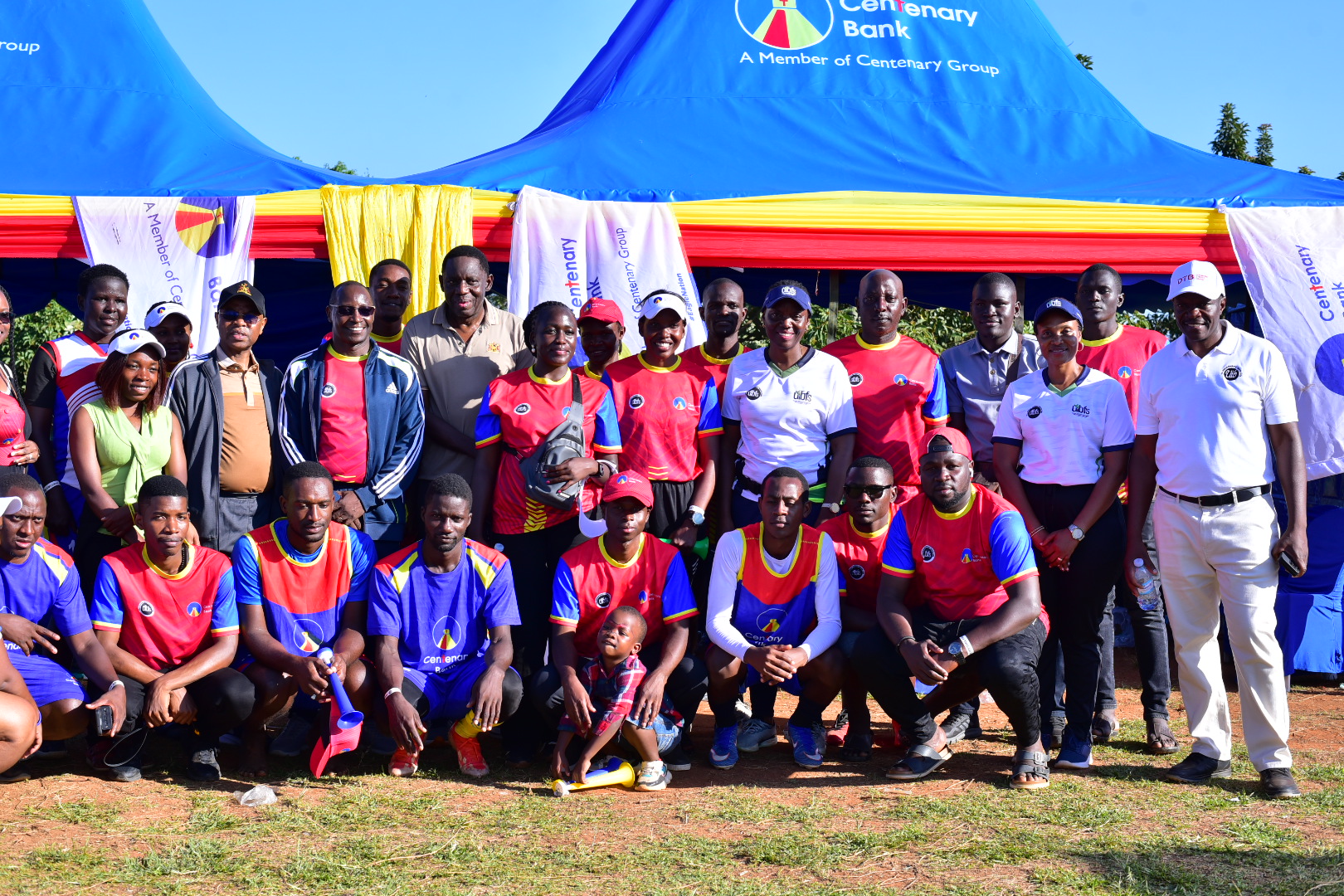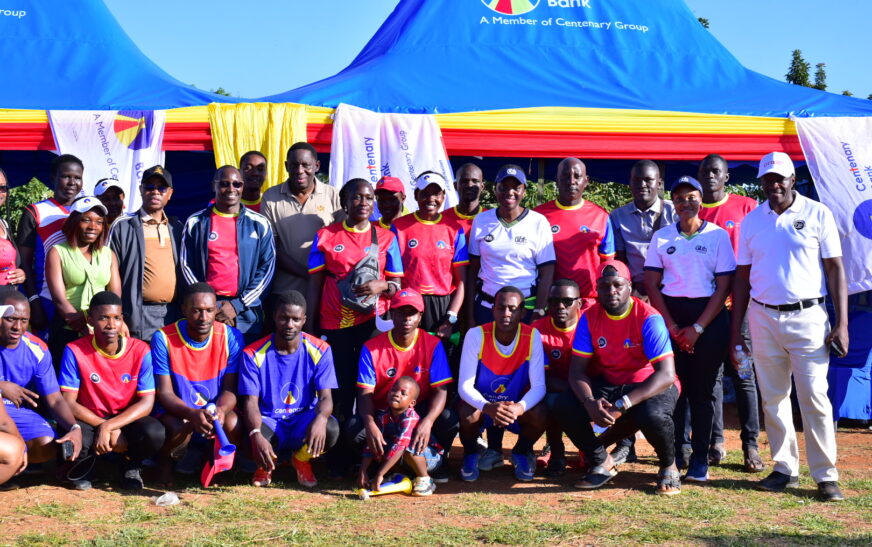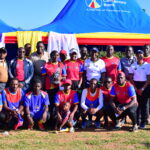

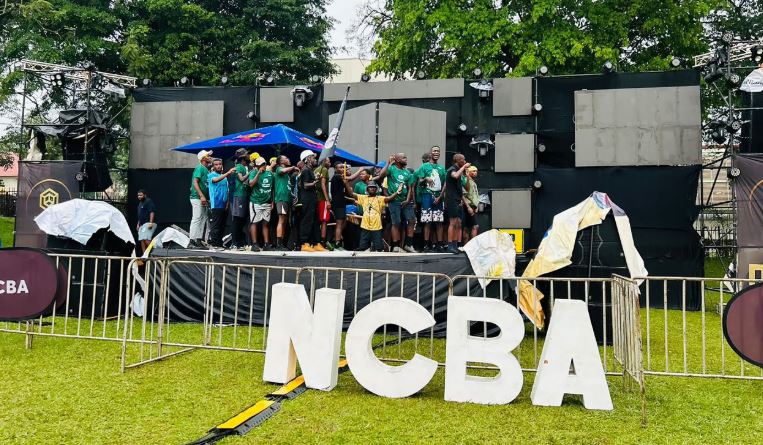
Thousands of runners, students, alumni and corporate partners on Sunday took part in the Makerere University Marathon to raise funds for the institution’s Disability Support Unit.
The funds will be used to provide specialised assistive technologies and learning equipment to students with disabilities, in a bid to make university education more inclusive.
The marathon attracted participants from different backgrounds, including students, lecturers, alumni, athletes and first-time runners.
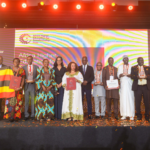
Julius Konyani, the executive director of NCBA Bank Uganda, one of the event’s supporters, said the initiative reflected the bank’s commitment to education, health, community service and national development.
“We are therefore proud that the funds raised through this year’s marathon will support the Makerere University Disability Support Unit through the provision of specialised assistive technologies and learning equipment,” Konyani said.
He said the initiative was part of NCBA’s “Change the Story” agenda, which focuses on education, sports and inclusive and sustainable community development.
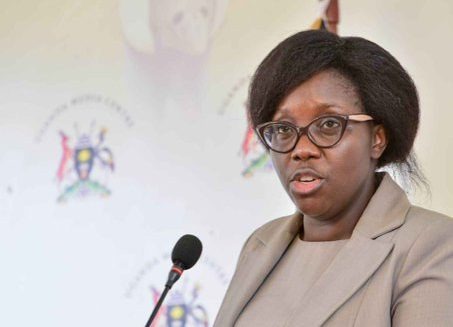
Sarah Ssali, the acting vice chancellor of Makerere University, said the marathon was more than a sporting event because it was helping remove barriers faced by students with disabilities.
“Today we did not just run, but we moved a mountain,” Ssali said.
She said the Disability Support Unit was established to ensure that students with disabilities have an experience at Makerere similar to that of other students.
“By sacrificing your sleep early in the morning, coming here, running with us, but also paying for whatever services are here, it’s not just about fun,” she said.
Ssali urged participants to continue supporting students with disabilities beyond the marathon, saying inclusion should extend to classrooms, walkways, sports fields and other spaces across the university.
“These people live with us, so we should make sure they enjoy Makerere like everybody else,” she said.
She thanked the university leadership, sponsors, organisers, volunteers, security agencies and healthcare partners for supporting the event.
The event also highlighted the high cost of assistive devices and the challenges faced by people living with disabilities.
Lord Mayor, Engineer Balimwezo Nsubuga who uses an artificial limb shared his experience after losing his leg in a road accident saying he was riding a motorcycle from Luwero when a speeding vehicle attempting to negotiate a pothole hit him near Lugogo.

“I went up in the air, and coming down, my leg was off. This I’m putting on is an artificial limb,” he said.
He said his experience had taught him the importance of support for people living with disabilities, particularly students who require assistive devices to participate fully in education.
“Disability is in the brain. My physical disability cannot fail me. If I am only supported by you, I can’t fail,” he said.
He noted that assistive technologies are often prohibitively expensive, citing the cost of artificial limbs, motorised wheelchairs and other specialised equipment.
He said an artificial limb he uses cost about Shs70 million, while some motorised wheelchairs can cost tens of millions of shillings.
Balimwezo cited figures from a Ministry of Education report showing that about 2.4 million children are born in Uganda every year, while about 1.88 million start Primary One.
However, he said only about 740,000 pupils reach the Primary Leaving Examination stage seven years later, leaving more than one million children out of the education system.
He argued that keeping children in school was critical to addressing several social challenges, including teenage pregnancy and youth crime.
“The best family planning method is to keep a boy or girl child in school,” he said.
He also urged educated Ugandans to participate in politics and public affairs so that they can influence policies aimed at improving education and other social services.
The marathon organisers said the event was intended to combine physical activity with a broader campaign for an inclusive university environment.
Ssali said the support generated should not end with the marathon, urging students and staff to actively assist their colleagues with disabilities in their daily university life.
“We did not just run around, we did not just have fun. Just know that you have enabled a student with a disability to have a good experience at this great institution,” she said.