

The Architects Registration Board (ARB) is developing a digital system that will use QR codes to verify architectural drawings submitted to local authorities, in a move aimed at curbing forged professional stamps and unregistered practice.
The system will enable local authorities to scan a QR code attached to an architectural drawing and verify the architect behind the project.
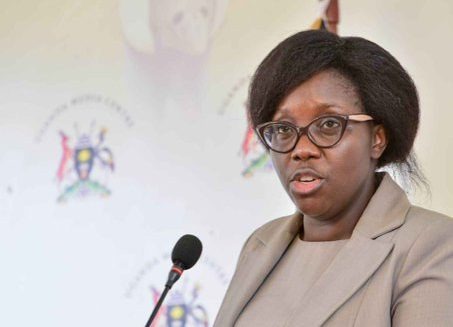
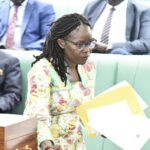
ARB chairperson Arch. Miriam Lawino said the proposed system is part of efforts to strengthen regulation and compliance in the architectural profession.
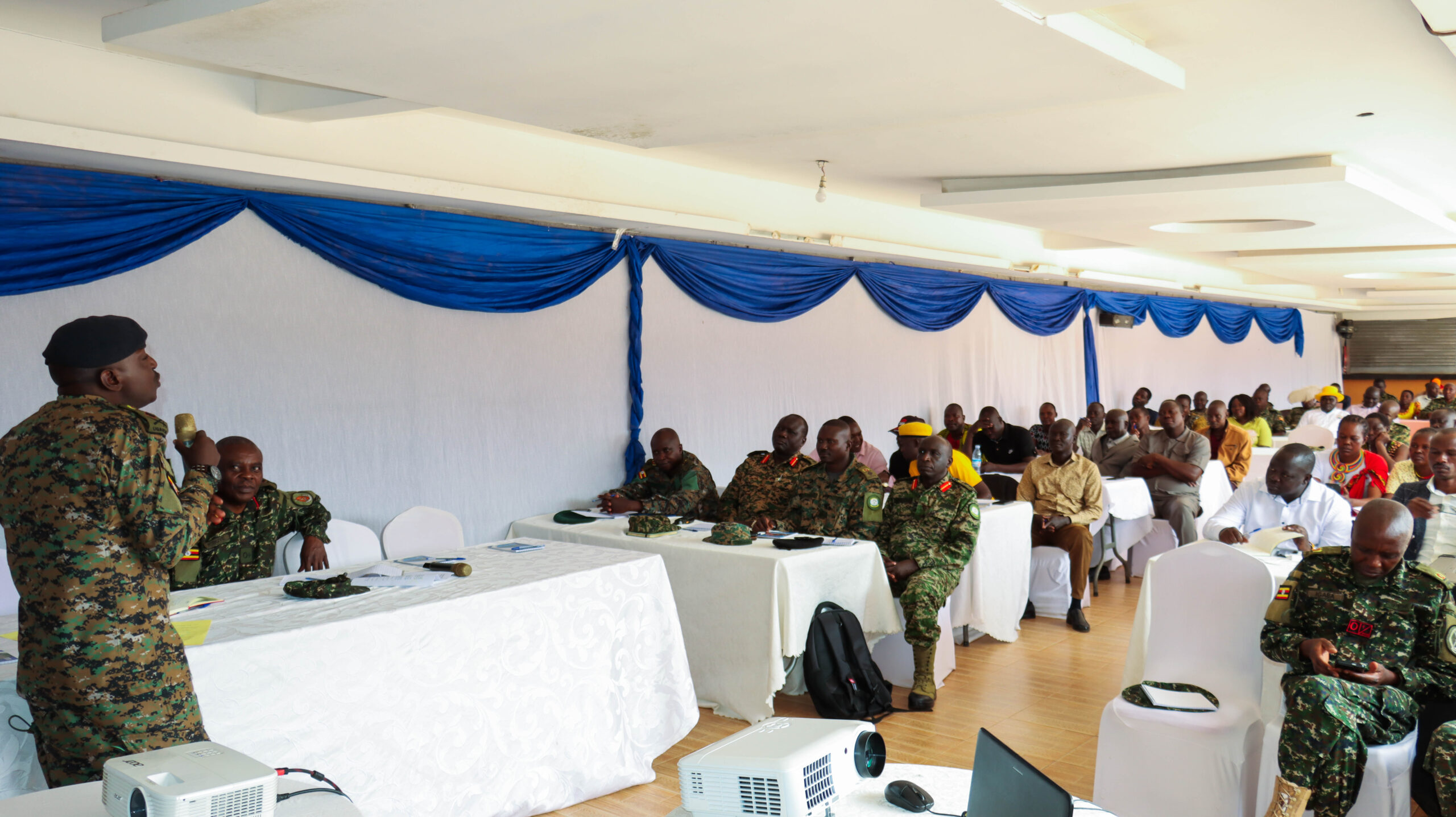
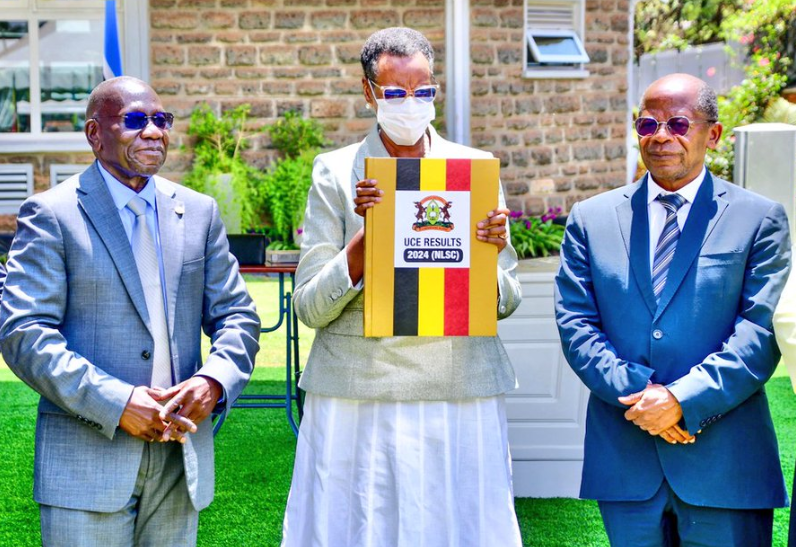
Lawino made the remarks at Kabira Country Club in Kampala during celebrations to mark 60 years of the Uganda Society of Architects (USA) and 30 years of the Architects Registration Board.
“As a board we are also going to come up with QR codes so that any drawing that is going to be submitted to the local authority will have a QR code whereby local authorities can always scan it and confirm,” Lawino said.
She said the system would also help the board deal with cases in which architects summoned for disciplinary action claim that their professional stamps were forged.
“When there is a disciplinary action, most people say their stamps have been forged. For some it might be true, but for some it is not true,” she said.
Lawino said the QR codes would make it easier to establish the authenticity of drawings and trace responsibility for architectural work.
The proposed digital system is part of wider reforms being pursued by the board as it seeks to strengthen regulation of the profession.
Lawino said the board had also started the process of amending the Architects Registration Act, 1996, which has remained unchanged for 30 years.
She said the review was necessary to bring the law in line with developments in the profession and provide a legal framework for emerging areas of practice.
The proposed amendments are expected to address the regulation of technicians and other professionals working in the architectural and built environment.
Lawino said the board was also working to tighten regulation of foreign architects practising in Uganda.
She said some foreign architects enter the country and undertake architectural work without obtaining the temporary registration required by the board.
According to Lawino, some instead register with the Uganda Registration Services Bureau as consultants before opening offices and practising architecture.
“We want to take it on and ensure that we regulate the practice of foreign architects, because there are very many foreign architects who are here, they are doing work, but they do not have any form of registration,” she said.
The board is preparing a practice note to guide the registration and practice of foreign architects.
Lawino also revealed that the board was working with Makerere University on a possible bridging course for architecture graduates whose training does not meet Uganda’s current registration requirements.
She said some graduates trained in countries such as Cyprus and Malaysia complete four-year programmes, yet Uganda’s registration system requires a different training pathway.

“We don’t want to leave anyone behind, because that has become now a growing problem,” Lawino said.
The proposed bridging programme would provide such graduates with an opportunity to meet the requirements for registration.
The board is also considering regulation of allied professions and areas of practice, including technicians, landscape architects and interior designers.
Lawino said the country currently has 419 registered architects, with 38 registered this year.
She said the number could rise to about 50 by the end of the year.
She rejected the perception that the board acts as a gatekeeper by restricting entry into the profession, saying its responsibility is to ensure that people undertaking architectural work have the required qualifications and professional competence.
“When we register you as an architect, you can either do a residential or a 30-storied structure,” she said.
Lawino said regulation was therefore necessary to protect the public and ensure that buildings were designed by competent professionals.
The board is also seeking to increase the involvement of architects in local government building control processes.
Lawino said the board had written to the Ministry of Public Service seeking the inclusion of architects in the structures of local authorities.
She urged architects appointed to building committees and building control offices to take up the positions and contribute to improving the built environment.
“When we call you and request you to come and work in these local authorities, please go there because it’s the only way we are going to make an impact on the built environment,” she said.
Speaking at the celebrations, Uganda Society of Architects president Arch. Kenneth Amunsimiire said the profession had gone through several challenges but that architects needed to work together to improve the environment in which they practise.
Amunsimiire said the society was strengthening specialised clusters focusing on areas including urbanisation, information and communication technology, green architecture, alternative dispute resolution and business.
He also encouraged architects to pursue master’s and doctoral studies and develop specialised skills to meet the country’s growing needs.
The joint celebrations at Kabira Country Club brought together architects and other professionals in the built environment to reflect on the development of the profession and discuss its future.
Amunsimiire said the anniversary symposium was intended to provide a platform for professionals to reflect on the achievements of the past 60 years and develop strategies for the future.This version is ready for publication, with the QR-code verification proposal firmly driving the story, while the 30-year ARB anniversary and 60-year USA anniversary provide the news context.