

With farmers increasingly feeling the effects of climate change, characterized by unreliable and inadequate rainfall, the Advocates Coalition for Development and Environment (ACODE), together with Heifer International, has called on the Government to strengthen investment in the productive use of solar energy to support agricultural production, boost rural incomes and improve livelihoods.
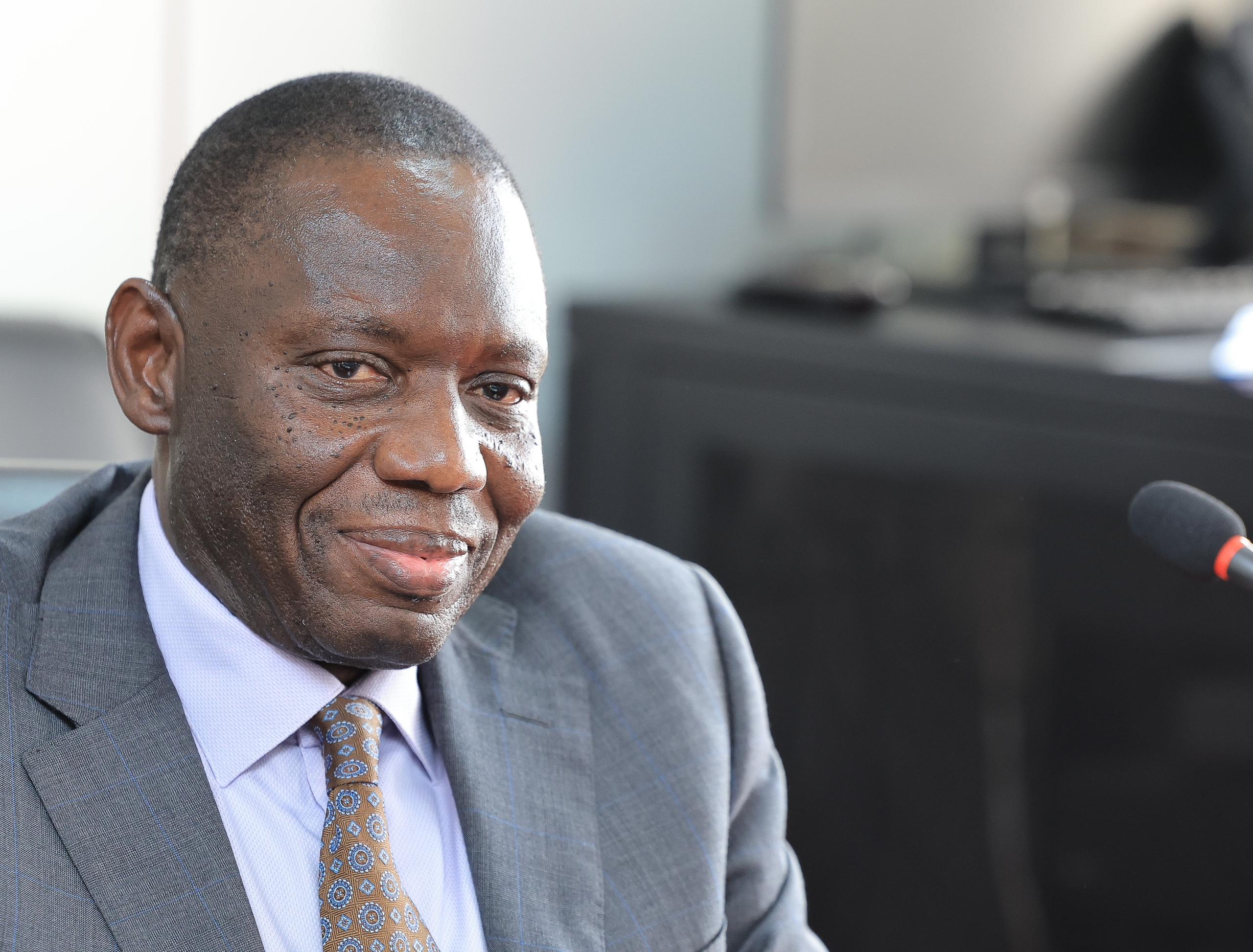
The call was made by Onesmus Mugyenyi, Deputy Executive Director of ACODE, during a press conference at Four Points by Sheraton in Kampala, where he said greater investment in solar-powered irrigation, water pumping, drying, processing, cooling and storage could help farmers cope with climate-related challenges while improving productivity and incomes.
ACODE noted the need for the Government to prioritise productive use of solar energy in the 2027/2028 national budget, arguing that solar should be viewed not merely as an energy intervention but as an important tool for agricultural transformation, rural incomes and climate resilience.
Dr Anthony Buyinza Mugeere, a research fellow at ACODE, said agriculture remains central to Uganda’s economy and rural livelihoods, contributing about 24 per cent of the country’s Gross Domestic Product and employing more than 70 per cent of the population directly and indirectly.
He said Uganda’s average solar insolation of about 5.1 kilowatt-hours per square metre per day provides significant potential for using solar energy to transform agricultural production and rural enterprises.
Dr Buyinza described productive use of solar energy as the application of solar power to income-generating activities that increase productivity and create economic value. In agriculture, he said the technology can be applied throughout the value chain, from production and processing to storage and distribution.
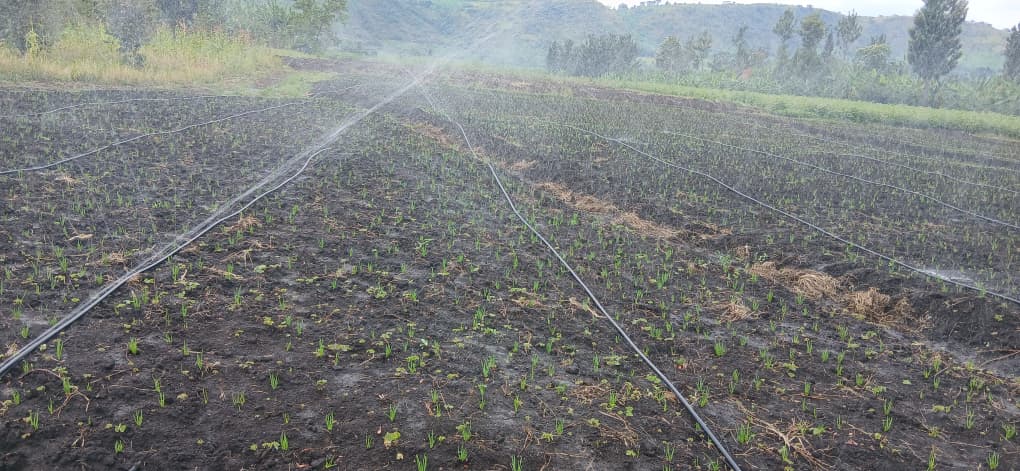
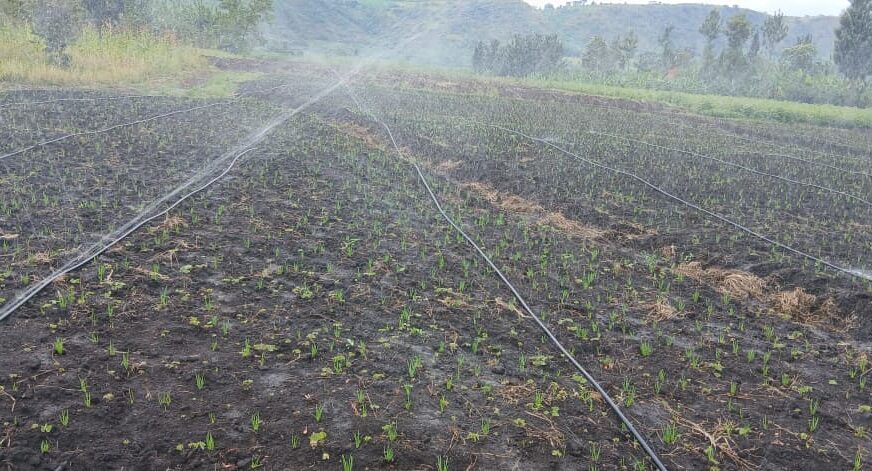
He said solar-powered irrigation could enable farmers to pump water and undertake dry-season farming, increasing crop yields and allowing them to produce multiple times a year.
Solar-powered milling, he added, could improve grain and cereal processing while allowing farmers and rural enterprises to undertake value addition closer to production centres.
Solar drying could also help preserve agricultural produce, reduce post-harvest losses and improve the quality of products reaching markets, while solar-powered cold storage could extend the shelf life of perishable products and reduce spoilage.
Dr Buyinza said solar technologies could similarly support refrigerated transport and other cold-chain systems, helping maintain the quality and safety of perishable agricultural products as they move from farms to markets.
He said this was particularly important given the scale of post-harvest losses in Uganda.
Dr Buyinza cited the milk industry, which he said loses between 20 and 40 per cent of production because of inadequate access to timely cooling.
He also pointed to Uganda’s position as the second-largest producer of fresh fruits in Sub-Saharan Africa, saying the country continues to experience significant spoilage because of gaps in storage, cooling and energy access.
He said expanding solar-powered drying, cooling and storage facilities could help farmers preserve their produce, reduce losses and obtain greater value from their agricultural output.
“Integrating solar technologies throughout the agricultural value chain could enhance efficiency, reduce losses and increase profitability,” Dr Buyinza said.
He said Uganda already has a policy foundation for scaling up productive solar energy, citing the Energy Policy for Uganda 2023, Vision 2040, the National Development Plan, the Renewable Energy Policy, the National Irrigation Policy and the Agriculture Sector Strategic Plan.
However, he said the challenge was translating these policies into practical programmes and projects that deliver tangible benefits to farmers and rural enterprises.
Dr Buyinza proposed subsidies and financing for solar water pumps targeting smallholder farmers and irrigation schemes, as well as loan guarantees, risk-mitigation facilities and concessional financing to address the high upfront cost of solar technologies.
He also proposed the establishment of solar-powered mills, dryers and cold-storage facilities in agricultural hubs, alongside the expansion of rural electrification and mini-grid initiatives to support agro-processing centres and rural enterprises.
The proposals form part of wider recommendations submitted by ACODE to the Ministry of Finance, Planning and Economic Development ahead of the 2027/2028 budget.
Mugyenyi said the organisation had submitted proposals calling for three-year budget guidance to ministries, departments, agencies and local governments on investments that can accelerate agricultural transformation and climate resilience.
He said productive solar energy should be integrated across agricultural value chains, including irrigation, water pumping, drying, processing, cold storage, cooling and other forms of value addition.
According to Mugyenyi, scaling up such investments could reduce post-harvest losses, boost rural incomes, create employment and reduce farmers’ vulnerability to climate shocks.

However, he said one of the challenges limiting investment was the shortage of fully developed and bankable solar projects that commercial lenders and investors consider financially and structurally viable.
ACODE noted the need for measurable indicators for productive use of solar energy to be included in Government budget and performance frameworks.
Mugyenyi said such indicators would make it possible to track how much Government is investing in productive solar energy, identify beneficiaries such as women, youth and smallholder farmers, and assess whether the investments are improving productivity, value addition, employment, incomes and climate resilience.
He also called for stronger tracking of climate-related expenditure through dedicated budget codes.
“The challenge that we’ve had is actually in many areas, not only in terms of productive use of solar energy, but widely climate change. The money that goes to the environment generally is very difficult to follow, to see exactly what it has done and what has been financed,” Mugyenyi said.
He said climate and environmental interventions are often treated as cross-cutting issues, making it difficult to determine how much money has been allocated, spent and what results have been achieved.
“Budget codes are a traceability mechanism,” he said, adding that they could show how much money has been allocated, what activities have been financed and who has benefited.
He also noted the need for climate justice and equity to be placed at the Centre of Government interventions, particularly by ensuring that climate investments reach communities most vulnerable to climate change.
Anna Amumpiire Akandwanaho, a research fellow at ACODE, said Uganda already has a national roadmap on productive use of solar energy, although it has not been fully operationalised.
She said the Ministry of Energy and Mineral Development was working on guidelines to support implementation, while Government had also introduced subsidy initiatives aimed at lowering the cost of productive-use solar technologies.
Akandwanaho said, however, that coordination between institutions remained a challenge, with the Ministry of Energy and Ministry of Agriculture discussing the possibility of establishing an inter-ministerial committee to coordinate interventions.
She said farmers also needed access to financing without complicated requirements that exclude smallholders.
Farmers in areas such as Nakaseke and Nakasongola, she said, had raised concerns about collateral requirements, which particularly affect women and smallholder farmers seeking to acquire solar equipment.
Building on concerns raised by farmers, Dr Buyinza said the quality, cost and maintenance of solar equipment remain important barriers to wider adoption.
He said farmers had raised concerns about the quality of solar products on the market, with some reporting that solar panels and pumps do not last as long as expected.
The high cost of the equipment and financing challenges, he added, also continue to make adoption difficult for smallholder farmers.
Dr Buyinza said Government should consider measures to make quality solar equipment more affordable to farmers, including subsidies and appropriate financing mechanisms.
He also highlighted inadequate technical support in rural areas, saying farmers can struggle to access technicians when solar pumps and other equipment break down.
He said the absence of reliable maintenance and after-sales services outside major urban centres can undermine farmers’ confidence in adopting solar technologies.
Dr Buyinza said successful implementation would require coordinated action between Government agencies, development partners, private companies and local governments.
The Ministry of Energy and Mineral Development, he said, should take responsibility for policy coordination, technical standards and sector oversight, while the Ministry of Agriculture should integrate energy considerations into agricultural programmes and value-chain development.
The Ministry of Finance, Planning and Economic Development, he added, should support budget allocation, financing mechanisms and economic planning, while development partners could provide technical assistance, funding and capacity building.
Private solar companies should supply, install and maintain technologies and provide after-sales services, while district local governments should support local planning, implementation oversight and community engagement.
ACODE noted the need for local governments to identify agricultural value chains where solar energy can improve productivity and boost rural incomes, and incorporate such interventions into their annual budgets.
The researchers said stronger investment, combined with affordable financing, quality assurance, technical support and effective budget tracking, could enable Uganda to move beyond simply expanding access to solar energy and instead use it as a tool for agricultural transformation, boosting rural incomes and strengthening rural economic development.