
Cabinet has agreed to support lithium mining for local battery production in a move aimed at reducing the cost of solar-powered irrigation and expanding access to water for farmers.
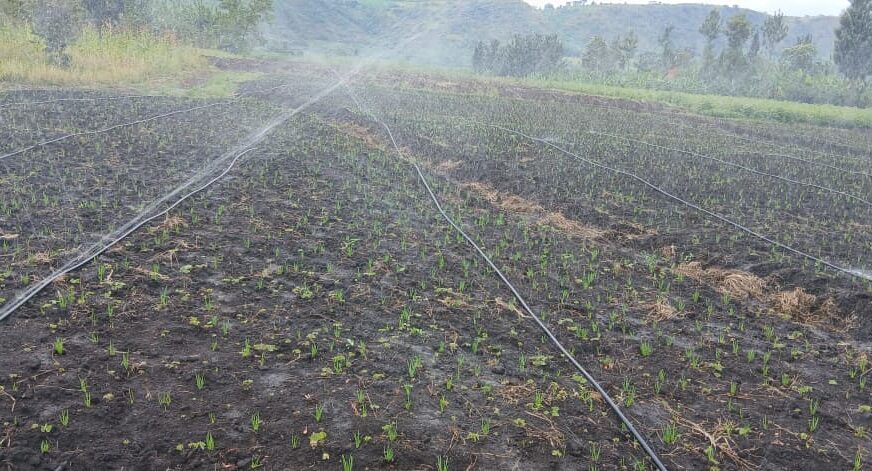
The decision is intended to support the government’s six-point irrigation strategy by encouraging local production of batteries used in solar power systems, which could lower the cost of pumping and distributing water to farms and gardens.
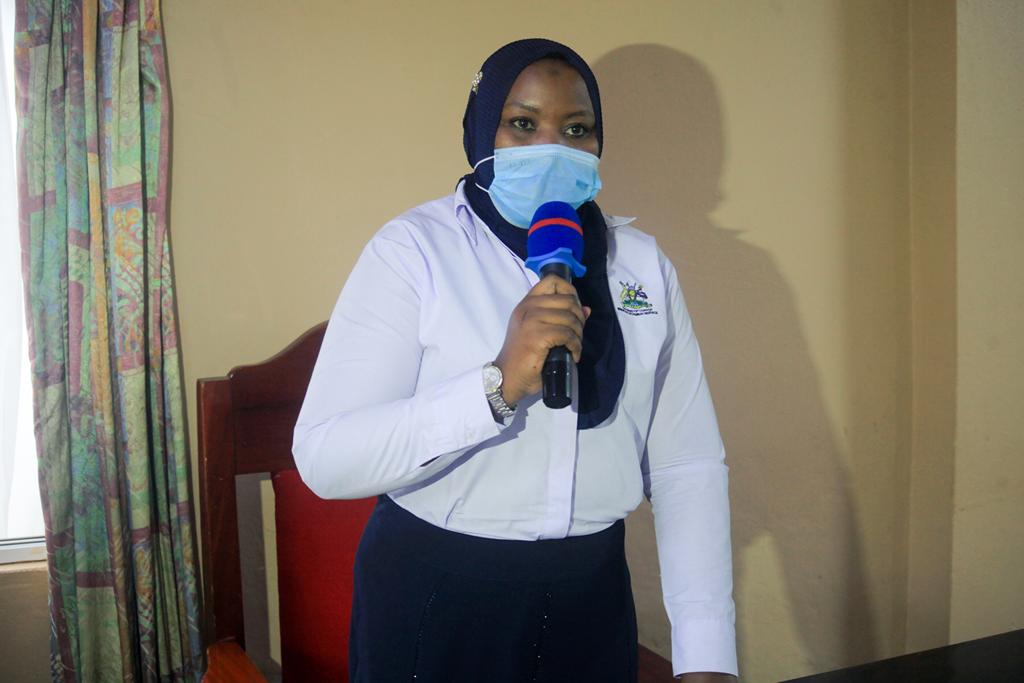
Justine Kasule Lumumba, the Minister of ICT and National Guidance, announced the resolutions of the 12th Cabinet meeting held at State House, Entebbe, on October 12.
“Producing these batteries locally will help reduce the cost of solar-powered water pumping and piping on farms and in gardens,” Lumumba said in a statement issued on October 13.
She said government would support investors in the sector to accelerate implementation of the irrigation strategy.
Under the plan, the Ministry of Agriculture, Animal Industry and Fisheries will work with the Ministry of Water and Environment to expand access to water for agricultural production.
Government intends to invest in systems to transport water to farms and gardens in districts with reliable water sources. In areas without reliable supplies, it will develop infrastructure to draw water from nearby seasonal streams and rivers.
The strategy will also involve rehabilitating existing irrigation schemes and dams to improve their functionality.
Cabinet further agreed to develop bulk water supply systems to transfer water to districts and areas facing shortages, including Nakasongola, Lyantonde, Isingiro and Karamoja.
The measures are intended to address water shortages that constrain agricultural production, particularly during periods of inadequate rainfall.
Government will also promote fish farming in Busoga, Bukedi, Greater Luwero, Lango, West Nile and the Kigezi lowlands.
According to Lumumba, the initiative is expected to provide farmers with an additional source of income while supporting wetland conservation.
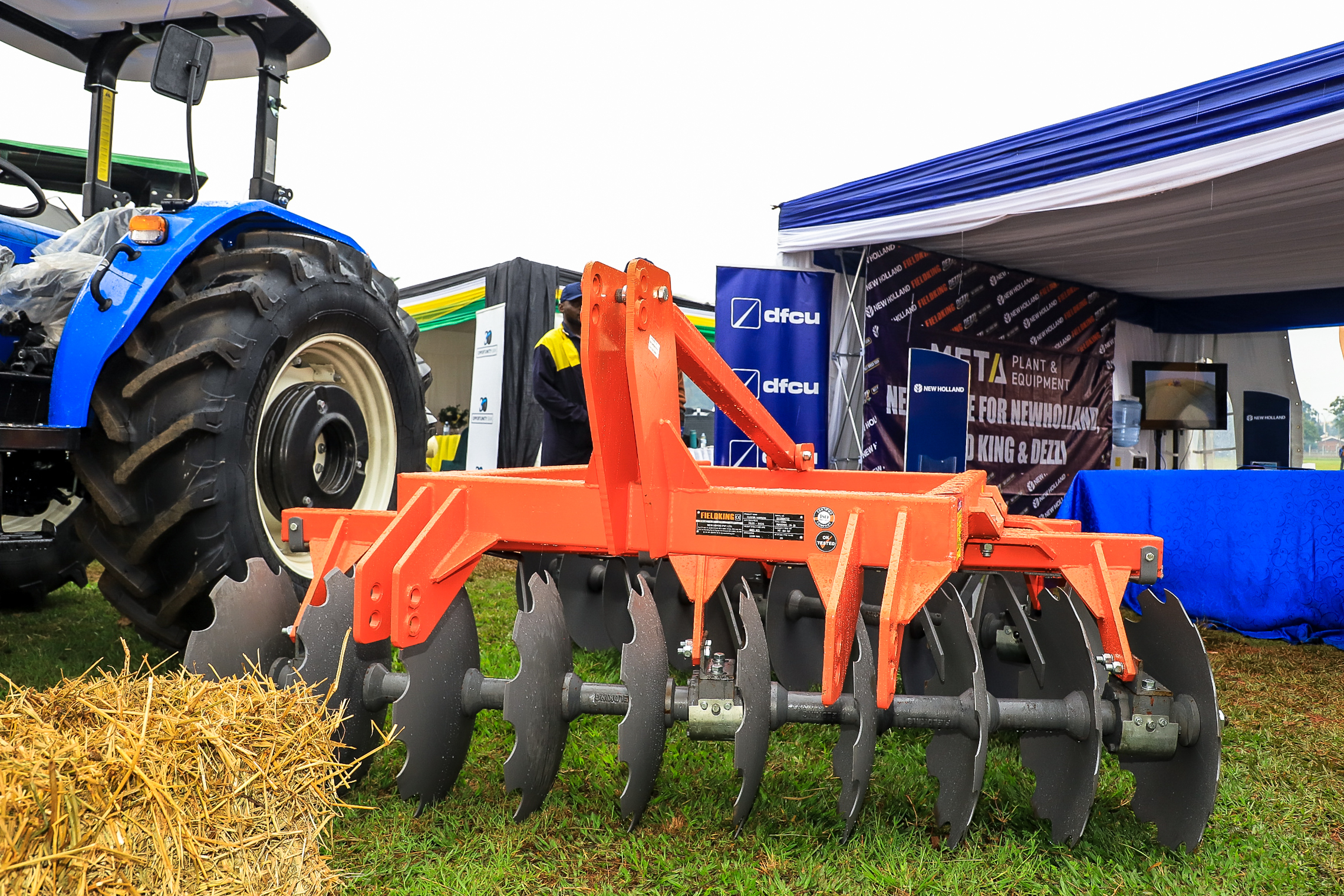
The strategy also provides for the equipping of 19 regional mechanisation centres with machinery to enable farmers to access equipment at affordable rates for constructing farm dams and fish ponds.

Cabinet directed the Ministry of Finance, Planning and Economic Development to release funds for the implementation of the irrigation strategy.
The proposed support for local lithium mining and battery manufacturing adds an industrial dimension to the agricultural intervention, with government seeking to connect domestic mineral resources to the production of equipment needed for irrigation.
However, the Cabinet statement did not specify the amount of funding required for the strategy, the investors expected to participate in local battery production or the timeline for establishing the manufacturing capacity.
In other resolutions, Cabinet directed the ministry responsible for relief, disaster preparedness and refugees to work with the Ministry of Finance to redirect funds under the World Bank refugee window towards urgent humanitarian needs.
The funding is expected to address gaps in education, health, water, livelihoods and other essential services for refugees in Uganda.
Cabinet also approved Uganda’s participation in the 17th Meeting of the Conference of the Parties to the United Nations Convention on Biological Diversity, scheduled for October 19 to 30 in Yerevan, Armenia.
Uganda’s priorities at the conference will include securing resources to implement the convention and its protocols, as well as addressing the links between biodiversity, health, climate change and agriculture. Sustainable wildlife management will also feature on the agenda.
Cabinet further approved the appointment of Jennifer Naomi Arionget to the board of directors of the Uganda Development Corporation for a three-year term.
Her appointment brings the board’s membership to eight.
The corporation, which falls under the Ministry of Trade, Industry and Cooperatives, promotes investment, industrial development and value addition, while working with the private sector to expand production and advance the government’s industrialisation agenda.
Lumumba said the responsible ministries and agencies would take the necessary steps to implement the Cabinet decisions.