
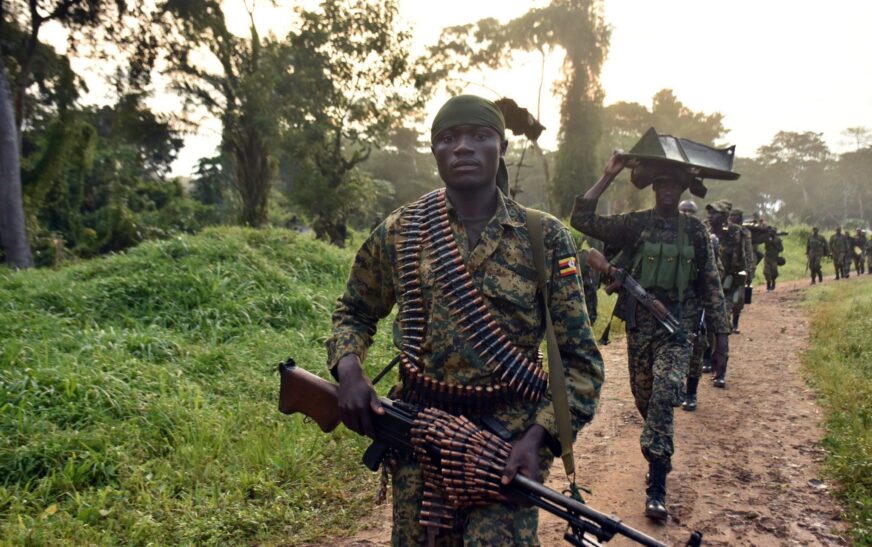
The Uganda People’s Defence Forces (UPDF) has started withdrawing its troops from Somalia after nearly two decades of military operations, marking a turning point in Uganda’s involvement in the fight against the Al-Shabaab militant group.
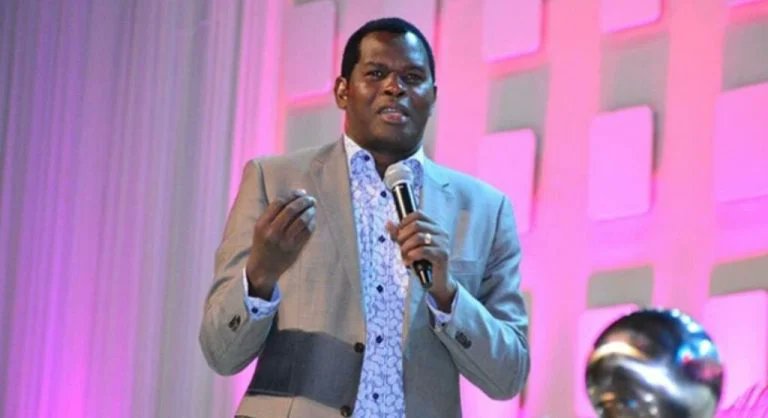
Gen Muhoozi Kainerugaba, the Chief of Defence Forces (CDF), announced the start of the withdrawal on October 29, saying Uganda was beginning to hand over security responsibilities to Somali forces after years of fighting and sacrifice.
“As we promised, we have started withdrawing UPDF from Somalia. After 20 years of a lot of blood and sacrifice we are handing over security to our Somali brothers,” Muhoozi said in a post on X.
The announcement comes amid growing financial difficulties facing the African Union Support and Stabilisation Mission in Somalia (AUSSOM), concerns about the sustainability of international support and questions about whether Somali security forces are ready to take full responsibility for the country’s security.
Financial pressure
Uganda’s withdrawal comes after months of warnings from the military leadership about the cost of maintaining troops in Somalia without reliable financial support from international partners.
In February, Muhoozi warned that Uganda could pull its forces out unless the funding challenges affecting the mission were addressed.
“Unless we have serious discussions about financing for our mission in Somalia, we shall withdraw by the end of this year,” he said in a post on X.
The financial difficulties have become more pronounced following changes in international support for the mission. In July, the United States informed the African Union that it would oppose the renewal of United Nations logistical support for AUSSOM beyond the mission’s current mandate, which expires on December 31, 2026.
The United Nations Support Office in Somalia provides critical logistical assistance, including fuel, food, transport, communications and medical evacuation. Reduced support threatens the ability of African troops to sustain operations against Al-Shabaab.
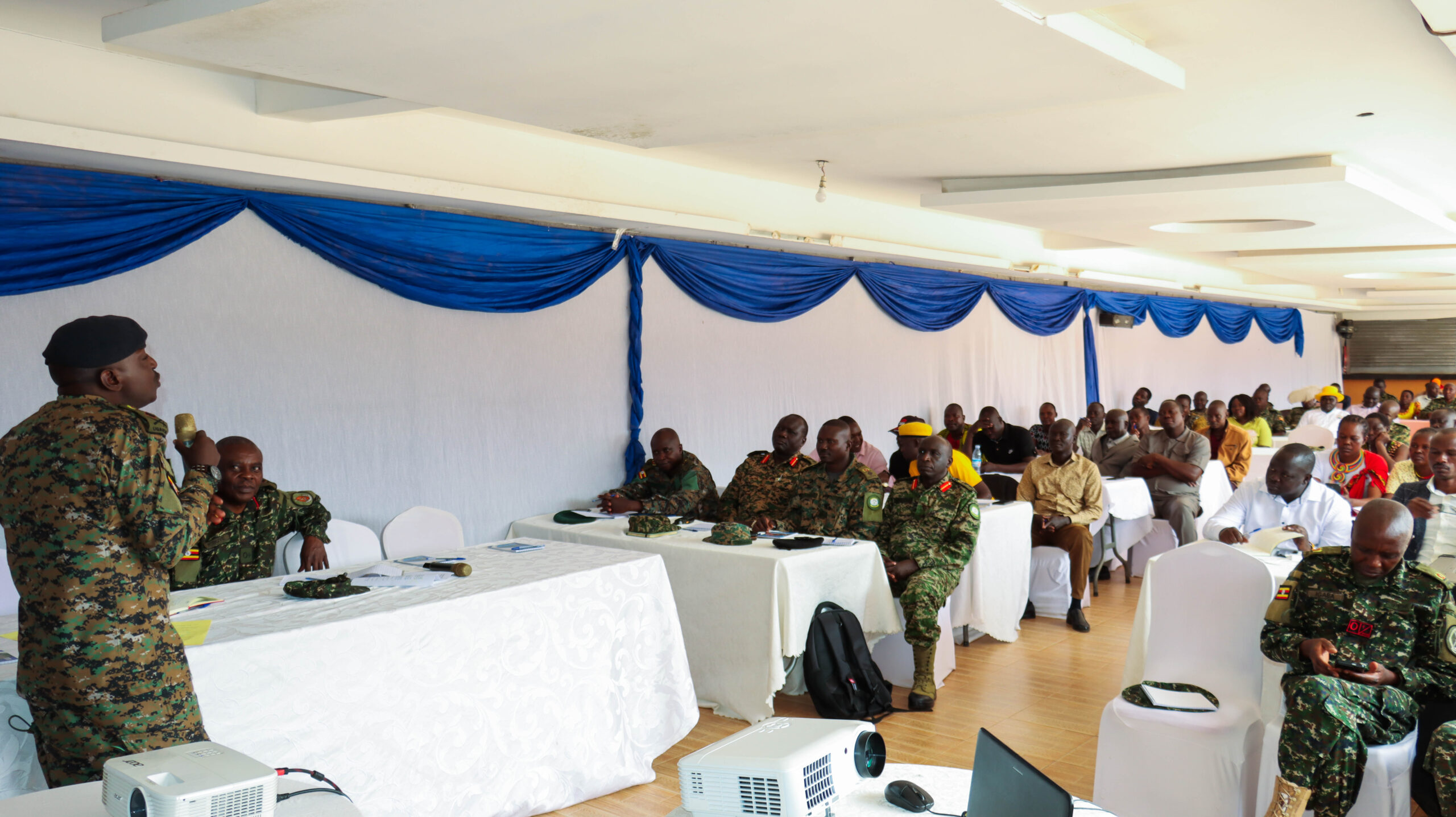
At an extraordinary summit of AUSSOM troop-contributing countries in Kampala in July, Muhoozi acknowledged the challenges, warning that the future of the mission depended on the decisions made by African leaders.
“These are difficult circumstances, but they also call for our unity, creativity, and resolve,” he told military chiefs.
He added that the sacrifices and progress made in Somalia depended on the quality of decisions taken by the countries involved in the mission.
Museveni defends Uganda’s intervention
President Museveni has defended Uganda’s military intervention in Somalia, arguing that the deployment was motivated by regional security interests and solidarity rather than foreign pressure.
Speaking at the July summit of troop-contributing countries in Kampala, Museveni said Uganda would not abandon Somalia even if international partners reduced their support.
“If the international community wants to pull out, let them. All the problems we have solved here, we solved without their support,” Museveni said.
“Somalia will not be abandoned. We have the capacity. Whether others pull out or not, we shall stand,” he added.
Uganda deployed its first troops to Somalia in March 2007 under the African Union Mission in Somalia (AMISOM), becoming the first country to contribute forces to the operation.

The mission was established to support Somalia’s internationally recognised government, protect key installations and help combat Al-Shabaab, an armed group linked to al-Qaeda.
Over the years, Ugandan troops have participated in operations to secure Mogadishu and other strategic locations, while supporting Somali forces in efforts to recover territory from the militants. Uganda subsequently served under successive African Union missions, culminating in AUSSOM, which began operations in January 2025.
Somalia fears security vacuum
While Uganda’s military leadership has announced the start of the withdrawal, concerns remain about the consequences for security in southern Somalia, where Al-Shabaab continues to pose a threat.
Somali President Hassan Sheikh Mohamud reportedly appealed to Museveni during talks in Uganda on October 27 to delay the withdrawal of Ugandan troops from strategic locations in the Lower Shabelle region.
The locations reportedly affected include Barawe, Bulo Marer, Qoryoley and Janaale, where Ugandan forces have been involved in operations against Al-Shabaab.
The reported appeal reflects concerns that Somali forces could struggle to maintain control of some areas if Ugandan troops leave before an effective handover is completed.
Following his meeting with Mohamud, Museveni said the two leaders had discussed security matters concerning their countries. However, he did not publicly confirm the reported request to delay the withdrawal.
The Somali president has previously expressed confidence in his country’s ability to take responsibility for its own security. In August, he called for African Union peacekeepers to return home, saying Somalia had reached a stage where it could manage its security.
However, the reported request for Uganda to delay the departure of its troops highlights the challenge of reconciling Somalia’s desire for greater security independence with the practical demands of maintaining control over areas threatened by militants.
End of an era?
The withdrawal marks a significant moment for Uganda’s military, which has maintained a presence in Somalia since 2007 despite casualties and the financial demands of a prolonged overseas deployment.
The transition also raises questions about the future of AUSSOM and the capacity of Somali security institutions to sustain gains made during years of African Union operations.
The African Union has continued to call for political, diplomatic and financial support for Somalia’s stabilisation efforts. At the July summit, African Union Commission Chairperson Mahmoud Ali Youssouf pledged continued assistance to Somalia.
“I wish to assure the government and people of Somalia that the Commission will continue to mobilize all the political, diplomatic, and financial support necessary for the success of this mission,” Youssouf said.
For Uganda, the immediate challenge will be to ensure that the withdrawal is orderly and that the sacrifices made by its soldiers are not undermined by a deterioration in Somalia’s security.
For Somalia, the departure of Ugandan troops could provide an opportunity to demonstrate the capacity of its own security forces, but it also carries the risk of renewed militant activity if the handover leaves gaps in the country’s defences.
Whether the withdrawal becomes a successful transition to Somali-led security or exposes new vulnerabilities will depend on the preparedness of Somali forces, the coordination of African Union partners and the availability of resources to sustain operations against Al-Shabaab.