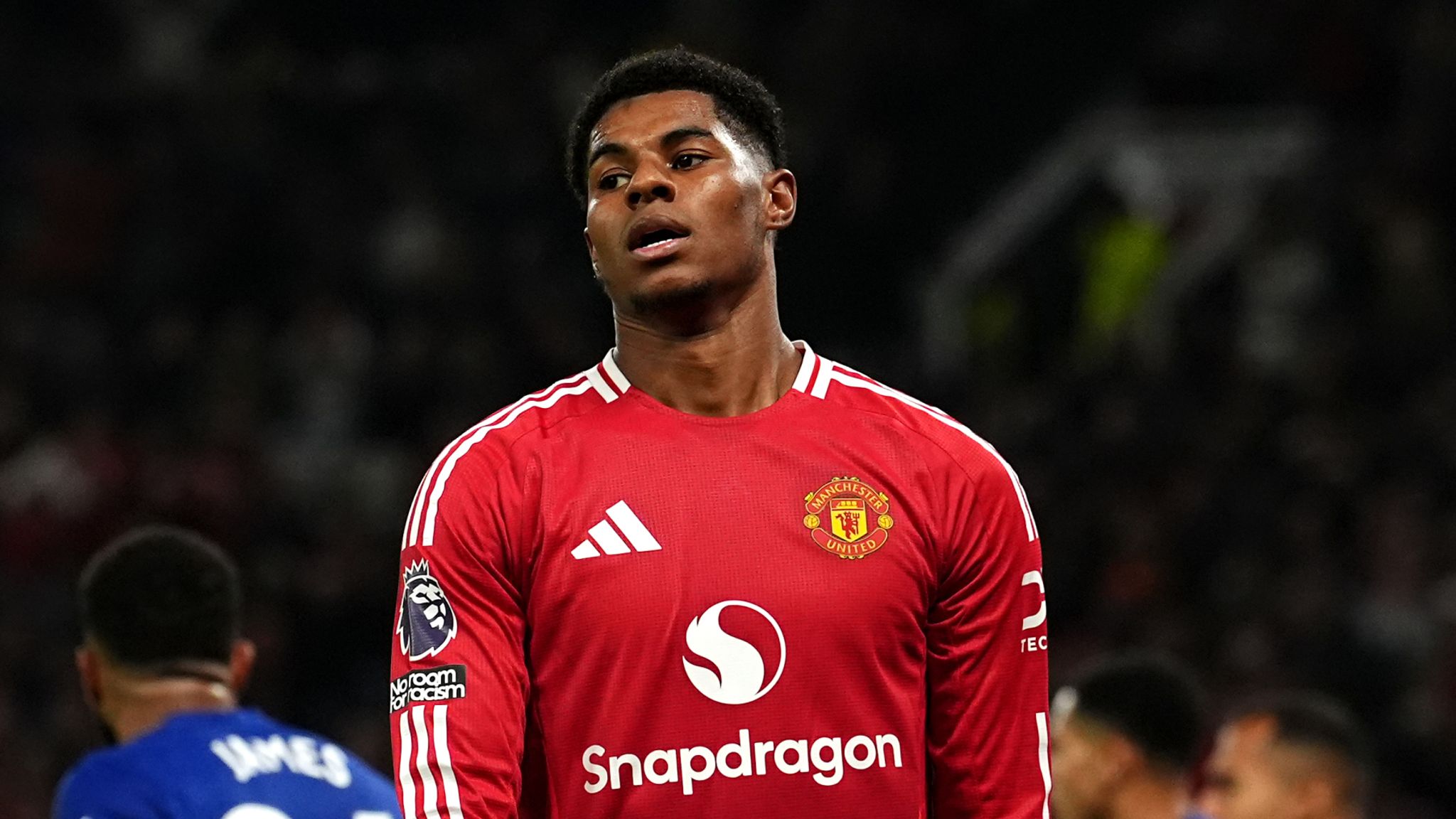

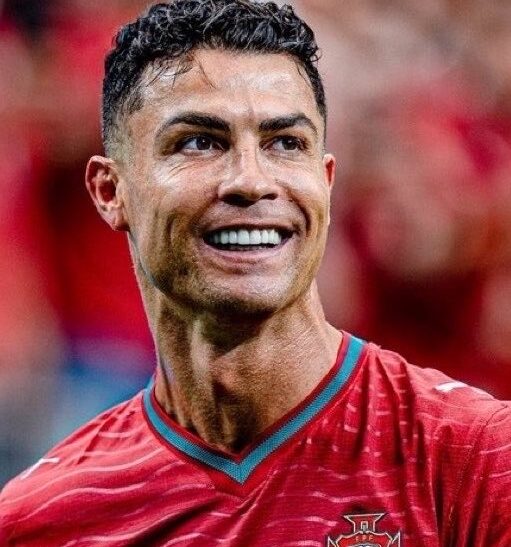
Cristiano Ronaldo has announced his retirement from international football, bringing an end to a 23-year journey with Portugal in which he rose from a teenage footballer to the country’s most celebrated player and record goalscorer.
In an emotional farewell letter addressed to Portuguese supporters, the 41-year-old forward said the time had come to hand over the national team’s shirt and captain’s armband to the next generation, describing the decision as one made with both his head and heart.
“The day has come to hand back the shirt and the captain’s armband of the national team that belongs to all of us,” Ronaldo wrote.
He added: “I never felt that it was exclusively mine, but for 23 years, I had the privilege and responsibility of wearing it, defending it, and carrying it with me to stadiums all around the world.”
Ronaldo said his international journey, which began in August 2003, had transformed his life, giving him experiences that went beyond football matches, goals, records and trophies.
Looking back at his career, the former Real Madrid, Manchester United and Juventus forward said what stood out most was not the individual achievements but the people whose lives he touched through football.
“I don’t just see matches, goals, records, or trophies. I see people,” he wrote.
He particularly recalled Portuguese immigrants who felt connected to their homeland during matches and millions of supporters around the world who became part of his journey, despite never meeting him personally.
“Because, at the end of the day, football is much bigger than a game. Football is about people,” he said.
‘I gave everything for this shirt’
Ronaldo said he had always challenged himself to achieve more whenever he represented Portugal, driven by the desire to win, become the best and make history.
He acknowledged that his international career had not been without disappointments, recalling painful defeats and moments when he failed to deliver what supporters expected.
“There were perfect afternoons and nights. There were victories I will never forget. There were defeats that still hurt to remember today,” he wrote.
“I also failed. I also suffered. There were moments when I couldn’t give the Portuguese people what they wanted so badly. But I never gave up.”
Despite the setbacks, Ronaldo said his pride in representing Portugal had never diminished.
He observed that while goals, trophies and records eventually become part of history, the emotional connection between a footballer and supporters remains enduring.
“Goals come and go, trophies end up in museums, records are eventually broken, but there is something that time can never erase. The place I hold in people’s hearts,” he said.
He added that making supporters happy, giving them moments of celebration and making them proud of their country had made his career worthwhile.

Thanks teammates and family
Ronaldo also paid tribute to his national team teammates, coaches, medical personnel, administrators and other support staff who contributed to his career.
He described his captaincy as a collective responsibility, saying no leader could succeed without the support of those around him.
“I had the privilege of being your captain, but no captain walks alone, and you are all part of my story,” he wrote.
He also thanked his family for enduring the sacrifices and absences that came with his international commitments, acknowledging that representing Portugal sometimes required time that would otherwise have belonged to them.
In his message to younger generations, Ronaldo urged Portugal to continue producing ambitious players who believe in their ability to achieve extraordinary things.
“Portugal will always need young people who dream, players who never give up, and new generations who believe it is possible to reach places no one has reached before,” he said.
The memories that will remain
In one of the most emotional passages of his farewell message, Ronaldo described the national anthem as one of the images he would carry with him long after leaving international football.
He recalled looking around the stadium at teammates and supporters, including children, parents and grandparents who had travelled long distances to support their country.
For him, those moments brought Portuguese people together regardless of their social, political or economic differences.
“There are no clubs. There are no colors. There are no classes. There are no professions. There are no opinions,” he wrote.
“There is only one passion: Portugal.”
Ronaldo’s departure marks the end of a remarkable chapter in Portuguese football, leaving behind a legacy of individual records, international honours and memories shared with generations of supporters.
His farewell is not simply about a footballer surrendering his shirt and captain’s armband. It is about a player whose career became closely intertwined with the identity and pride of his country.