
The government has commenced construction of a new bridge across the River Nile at Karuma, in a Shs98 billion project expected to improve road safety, ease traffic flow and strengthen trade links between Uganda and its neighbours.
The 245-metre bridge, which will replace the ageing structure built in 1963, is expected to address longstanding safety concerns at one of the country’s busiest transport crossings, where several vehicles have plunged into the Nile in fatal accidents.
The Ministry of Works and Transport announced the commencement of the works on November 4, 2026, saying Japanese construction firm Zenitaka Corporation had been contracted to undertake the project, which is expected to take 36 months.
The civil works officially commenced on October 1, 2026, with the contractor currently mobilising equipment and undertaking preliminary setting-out activities. Oriental Consultants Global, another Japanese firm, is providing consultancy services.
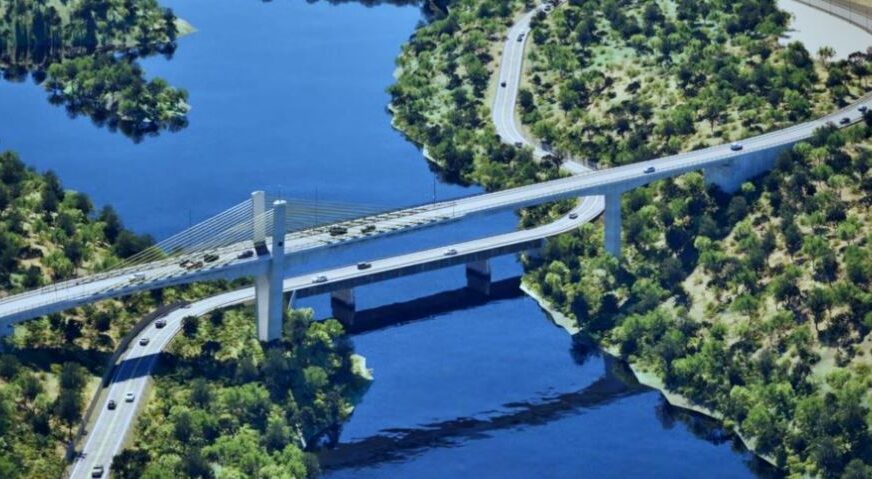
The new structure will have a total span of 245 metres, comprising three sections measuring 45 metres, 120 metres and 80 metres. It will be 11.5 metres wide, with a seven-metre carriageway and a two-metre pedestrian walkway.
According to the Ministry, the bridge will feature a cable-supported design and a higher elevation, with straighter approach roads intended to eliminate the sharp bends that have made it difficult for motorists, particularly drivers of heavily loaded trucks, to negotiate the existing crossing.
The current bridge has narrow lanes and sharp S-shaped bends on either side, a design that has contributed to accidents and slowed the movement of traffic.
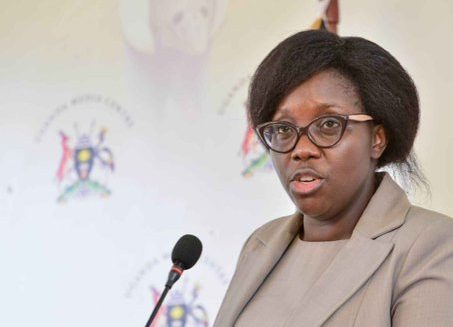
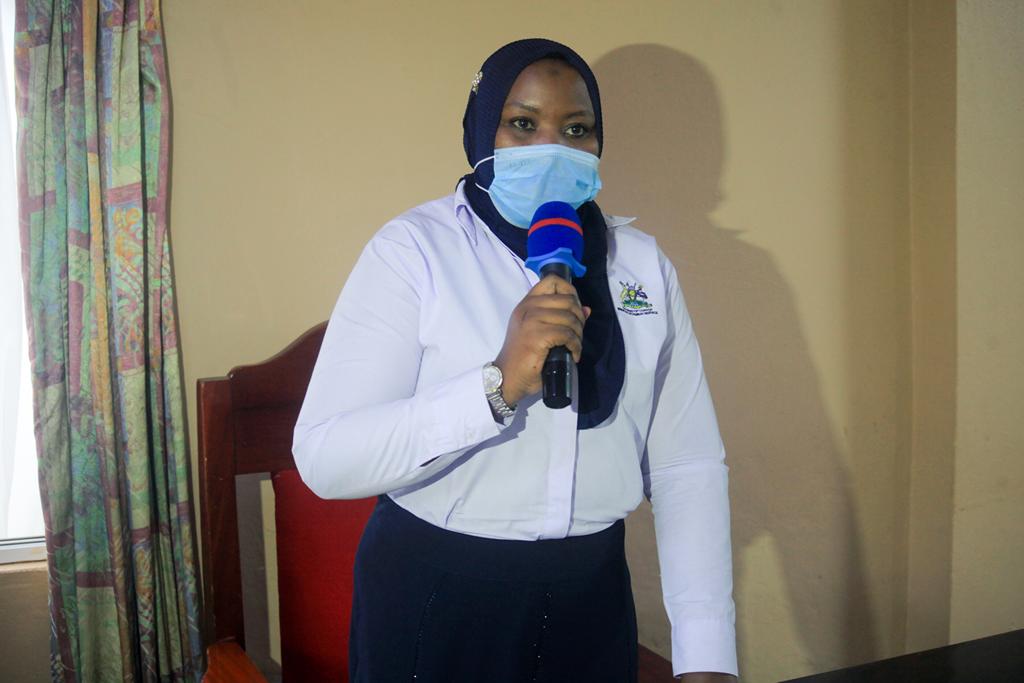
Ministry Principal Communications Officer Khadija Nakakande said the existing bridge had undergone repairs, but the design of the crossing and its approaches continued to present safety challenges.
“Though the old bridge has been repaired, many trucks still get crashes at the S-curves,” Nakakande said.
A troubled history
The construction of the new bridge comes after years of concerns about the safety of the existing Karuma crossing, which was constructed in 1963 and has served the country for more than six decades.
The bridge connects Kiryandongo District on the Kampala side to Nwoya District on the northern side of the Nile. It is also a critical link along the Northern Corridor, which connects Uganda to Kenya’s Port of Mombasa and facilitates the movement of goods to South Sudan and the Democratic Republic of Congo.

Over the years, the crossing has been associated with several fatal accidents involving vehicles plunging into the River Nile.
In 2024, the government restricted heavy vehicles, including buses, trucks and trailers, from using the bridge after engineers identified structural defects, including cracks in the concrete deck, damaged expansion joints and worn-out bearings.
Although the rehabilitation restored the bridge’s usability, concerns remained about its long-term capacity and safety, prompting the government to pursue plans for a completely new structure.
Old bridge to remain operational
Unlike some infrastructure replacement projects, the existing Karuma Bridge will not be demolished during construction of the new one.
Nakakande said the old structure would remain open to support emergency and auxiliary traffic as well as tourism activities.
This arrangement is expected to minimise disruptions along the Kampala-Gulu highway while construction progresses. The decision is particularly important given Karuma’s strategic position as a gateway to Northern Uganda and West Nile, serving thousands of motorists and commercial transporters.
The crossing also facilitates access to major tourism destinations, including Murchison Falls National Park. The construction contract was signed on July 10, 2026, in Tokyo, Japan, between the Ministry of Works and Transport and Zenitaka Corporation.
The agreement forms part of Japan’s development cooperation with Uganda through its Official Development Assistance programme.
The new Karuma Bridge is expected to strengthen Uganda’s transport infrastructure and provide a more reliable connection between central Uganda, the northern region and neighbouring countries. If delivered within the projected 36-month construction period, the project should be completed around September 2029.