
A 20-acre industrial establishment in Matugga, an operational wheat milling plant in Luzira, a hospital in Kitende and several commercial and residential properties belonging to businessman Dr Mathias Magoola and companies associated with him are facing sale over unpaid bank loans.
The proposed disposal has brought renewed attention to the financial troubles surrounding Magoola’s business empire, particularly his pharmaceutical manufacturing ambitions, which attracted Shs723.4 billion in government investment.
At the centre of the latest development is a prolonged debt dispute involving Magoola’s companies, Equity Bank Uganda and Equity Bank Kenya, over credit facilities reportedly advanced to finance the establishment of pharmaceutical manufacturing facilities and other business operations.
A notice published on November 5 by Jald (U) Ltd, a debt collection and auctioneering firm, indicates that the properties will be sold through public auction or private treaty unless Dei Industries International Ltd and its guarantors settle the outstanding loan balances, accumulated interest, fees and other costs.
The creditor, identified only as a financial institution in the advertisement, has given the affected parties an opportunity to clear their obligations before the sale.
The auctioneer has also directed occupants to vacate the premises within 14 days to allow prospective buyers to inspect the properties.
The development is particularly significant because some of the assets are linked to businesses that have received substantial public support, raising questions about the financial health of Magoola’s investments and the protection of taxpayers’ money.
Factories, hospital on the auction list
The properties advertised for sale are spread across Kampala and Wakiso districts and include industrial, commercial, healthcare and residential establishments.
One of the biggest assets is an industrial establishment in Matugga, Wakiso district, measuring approximately 20.673 acres. It is registered under Dei Industries International Ltd and Dei Natural Products International Ltd.
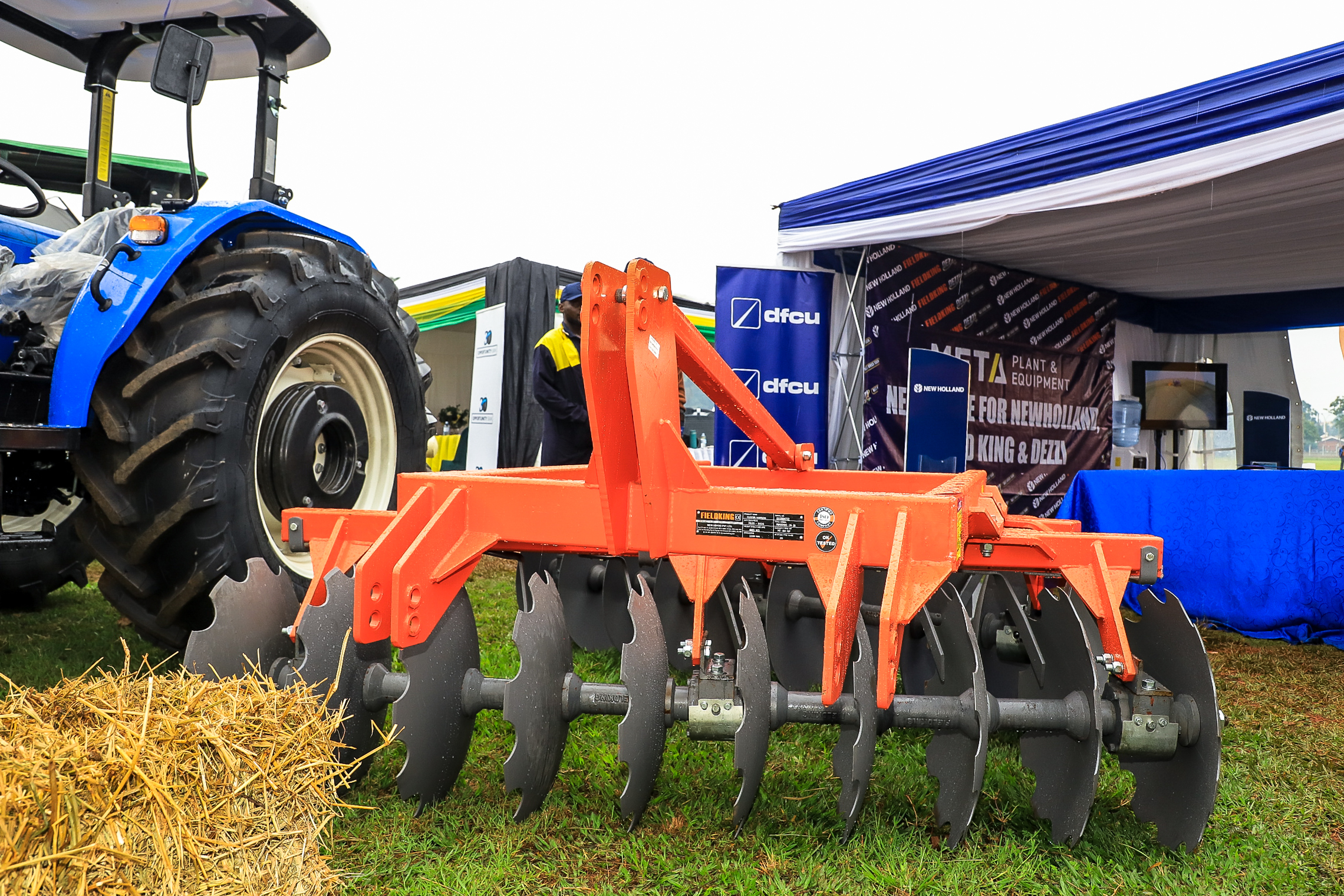
Another major property is a fully integrated and operational wheat milling plant along Sixth Link Road in Luzira, Kampala, registered under Dei Industries International Ltd.
The other properties include an industrial establishment in Kyamuli-Kungu, commercial premises in Katwe, a residential property in Muyenga-Kisugu registered in Magoola’s name, a hospital property in Kitende and commercial premises in Seguku registered under Rutungu Investments.
The inclusion of the Luzira wheat milling plant is particularly significant because the facility was previously identified as a major source of revenue expected to service the loans advanced to Magoola’s businesses.
The proposed sale, however, does not mean that ownership of the properties has already changed hands.
How the debt accumulated
Investigations by Daily Star Uganda published on September 21, 2026, provide details of how Magoola’s businesses accumulated the debt now at the centre of the dispute.
The publication reported that Equity Bank Ltd extended financing of up to US$100 million (about Shs368.7 billion) to support construction, importation of high-technology medical equipment and machinery, as well as working capital requirements.
Uganda Development Bank contributed another US$20 million (about Shs73.7 billion), while Tropical Bank provided US$2 million (about Shs7.3 billion), all in the form of loans.
The financing was intended to support the establishment of a pharmaceutical manufacturing facility and related business operations.
However, the plans reportedly changed when the Covid-19 pandemic struck in 2020.
Magoola had initially sought approximately US$60 million (about Shs221 billion) from Equity Bank to expand Dei Industries.
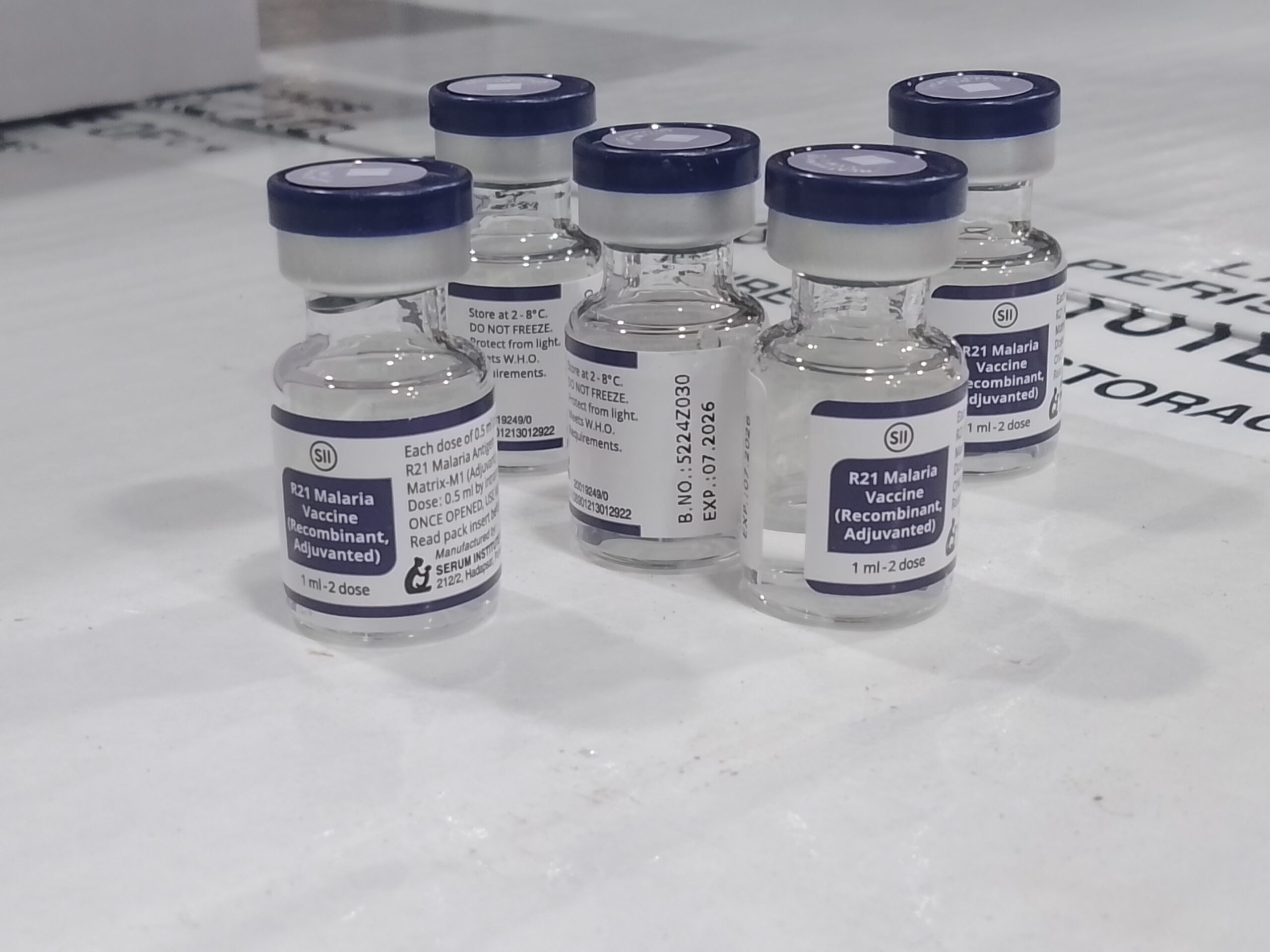
When the pandemic created opportunities in vaccine manufacturing, his partners reportedly persuaded him to shift attention from the original pharmaceutical manufacturing plan towards vaccine development.
With insufficient capital to finance the new undertaking, Magoola reportedly returned to Equity Bank and sought another US$60 million (about Shs221 billion) under Dei BioPharma Ltd to facilitate the production of Covid-19 vaccines.
The shift in investment priorities and the transfer of working capital from Dei Industries to Dei BioPharma reportedly contributed to the financial difficulties that followed.
Dei Industries subsequently defaulted on loan repayments, prompting concerns among the lenders about the companies’ ability to service their obligations.
Bank of Uganda raises red flags
The financial difficulties also attracted the attention of the Bank of Uganda, which became concerned about the repeated restructuring of the credit facilities.
On December 13, 2022, Equity Bank’s then managing director, Anthony Kituuka, wrote to the central bank’s then Deputy Governor, Michael Atingi-Ego, seeking approval to downgrade the credit facilities extended to Dei Industries International Ltd.
The bank also requested an exemption from provisioning requirements for 12 months and permission to restructure the facilities.
However, in a response dated January 17, 2023, Atingi-Ego rejected the request, saying the facilities had already undergone multiple restructurings and that another restructuring would contravene Regulation 13(c) of the Financial Institutions Regulations.
Atingi-Ego also pointed to the poor performance of the wheat milling business, which was expected to generate the cash flows needed to repay the loans.
“The wheat factory, which was the primary source of repayment for the credit facility from Equity Bank, is not operational, and therefore there are no cash flows to service the loans as intended,” Atingi-Ego stated.
The central bank’s position exposed a fundamental problem in the financing arrangement: the business expected to generate money for loan repayment was not generating the anticipated revenue.
Daily Star further reported that the Bank of Uganda directed Equity Bank to recall the facilities because of concerns about the borrower’s ability to service the debt.
The development placed further pressure on Magoola’s businesses, which were already struggling to meet their financial obligations.

The Shs147.7bn court battle
The disagreement eventually developed into a court battle, with Magoola and his companies challenging the amount demanded by the lenders.
The companies argued that excessive interest and other charges had inflated their outstanding loan balances.
The dispute centred on credit facilities advanced between 2016 and 2021, with the parties disagreeing over the actual amounts due after loan variations, consolidations and restructuring.
The companies initially agreed with the banks to have KPMG review the disputed loan accounts. However, after disagreements over the process, the Commercial Court directed the Institute of Certified Public Accountants of Uganda (ICPAU) to nominate an independent audit firm.
ICPAU subsequently appointed Clayton & Co, which produced an audit report dated June 28, 2025.
The report placed the disputed indebtedness at US$39.91 million, equivalent to approximately Shs147.7 billion.
Magoola and his companies challenged the process through which the auditor had been appointed, arguing that the process lacked independence.
However, the Commercial Court dismissed their application on July 29, 2026.
The companies subsequently moved to the Court of Appeal, seeking to challenge the decision.
On September 21, 2026, Daily Star reported that Justice Florence Nakachwa had stayed proceedings in the main commercial case pending determination of the intended appeal.
The judge said the appeal raised serious questions concerning the genuineness of the audit report and whether it accurately reflected the companies’ indebtedness.
The decision halted proceedings in the main case but did not determine the final amount owed or cancel the underlying loan obligations.
The latest auction notice therefore comes as the parties remain embroiled in a dispute over the outstanding debt.
Government’s Shs 723.4bn investment
Beyond the commercial dispute, the proposed sale raises questions about the government’s investment in Dei BioPharma, which was presented as a strategic intervention to strengthen local pharmaceutical manufacturing.
Government has cumulatively invested Shs723.4 billion in the project.
The funding comprised Shs70 billion appropriated in the 2023/2024 financial year, another Shs75 billion provided in December 2023 and Shs578.4 billion released through a supplementary budget in the 2024/2025 financial year.
The investment was intended to support the development and commercialisation of the pharmaceutical manufacturing facility, reduce dependence on imported medicines and strengthen Uganda’s capacity to manufacture essential drugs locally.
However, the investment has attracted scrutiny from Parliament, particularly over the government’s shareholding, accountability and expected returns.
On October 6, 2026, Parliament’s Committee on Presidential Affairs, chaired by Martin Ojara Mapenduzi, presented findings from its assessment of selected Science, Technology and Innovation projects, including Dei BioPharma.
The committee called on government to ensure proper documentation of its shareholding, expected returns, deliverables and performance targets commensurate with the public resources invested.
It was informed that government holds a 9.4 per cent stake in the company, although documentary evidence of the shareholding was not presented during the assessment.
The committee was also informed that the pharmaceutical project requires an additional US$434 million to become fully operational.
The latest developments therefore raise questions about the relationship between the government’s investment in Dei BioPharma and the financial obligations of the other companies associated with Magoola.
It is important to note that the properties advertised for sale are registered under different companies and individuals. The auction notice does not establish that Dei BioPharma itself or the government’s shares in the pharmaceutical company are being sold.
The taxpayers’ money question
The proposed sale has brought into focus the extent to which government protected its investment when it committed hundreds of billions of shillings to a privately operated pharmaceutical enterprise.
The central question is whether the public investment has been adequately secured against the financial difficulties facing the wider business interests associated with Magoola.
There are also questions about the extent to which the different companies share financial obligations and whether government can demonstrate that its investment is delivering the expected returns.
For Magoola, the immediate challenge is to resolve the outstanding financial obligations before the creditors proceed with the disposal of the advertised properties.
For government, however, the bigger challenge is accounting for the Shs 723.4 billion already committed to the pharmaceutical project and demonstrating how taxpayers’ interests will be protected.