
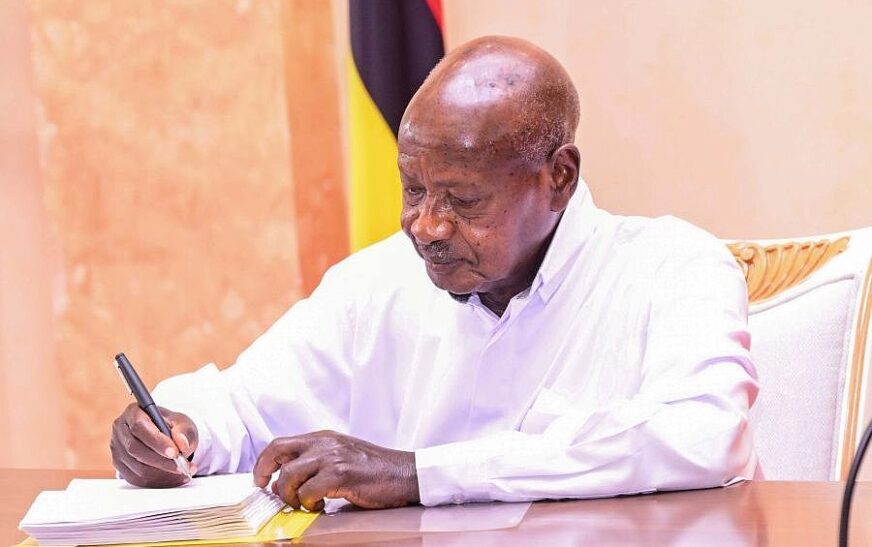
President Museveni has named 13 people for key government positions, including a new Clerk to Parliament, in a move that could reshape the administration of several ministries and public institutions.
Among those nominated is Edward Sengonzi Damulira, who has been proposed for the position of Clerk to Parliament, an influential administrative office that oversees the operations of the legislature.
The nominations, announced by Museveni, also affect strategic ministries responsible for agriculture, foreign affairs, defence, public service, infrastructure, water and environment, and information and communications technology.
However, the nominees are yet to be formally appointed, with Museveni directing the Public Service Commission to assess their suitability and advise him before the appointments are concluded.
In his November 8 statement, Museveni said he had exercised powers vested in him under Article 174(2) of the 1995 Constitution to nominate the individuals to the respective offices.
Emmanuel Freddie Mugunga has been nominated for the Office of the Prime Minister, while Maureen Kasande is proposed for the Inspectorate of Government.
Sheeba Kyobutungi Rujoki has been nominated for the Office of the President, specifically Science, Technology and Innovation, while Kenneth Akiri is proposed for the Ministry of Water and Environment.
At the Ministry of Agriculture, Animal Industry and Fisheries, Museveni has nominated Barbara Namugambe, while Charles Ssentongo has been proposed for the Ministry of Foreign Affairs.

Prof Stephen Akandwanaho is lined up for the Ministry of ICT and National Guidance, with Mark Sseremba nominated for the Ministry of Public Service.
The Ministry of Works and Transport could get Eng Flavia Guto Bwire, while Edith Butuuro has been nominated for the Ministry of Defence and Veteran Affairs.
Aggrey Wunyi has been proposed for the Ministry of East African Community Affairs, while Betty Mutesa Cwinya-ai has been nominated for the Public Service Commission.
The nominations touch several critical arms of government whose responsibilities range from public sector management and oversight to national security, infrastructure development and regional cooperation.
The proposed changes now put the Public Service Commission at the centre of the next stage of the process. Its assessment and recommendations will inform the President’s final decision on the appointments.