
Parliament has ordered an investigation into the Government’s Shs 723.4 billion investment in Dei BioPharma, demanding proof of its shareholding and an explanation of the company’s financial position before considering a further Shs1.74 trillion injection into the pharmaceutical project.
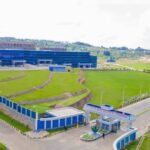
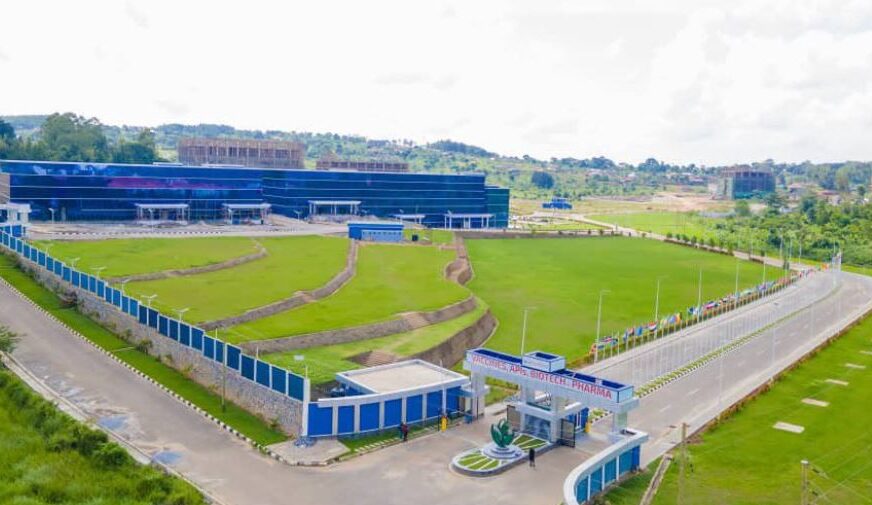
The two-week inquiry follows mounting concerns over the Government’s ownership documents, the valuation of its stake and an auction notice advertising 20.7 acres of land at the company’s pharmaceutical manufacturing facility in Matugga, Wakiso District.
Speaker Jacob Oboth directed the Committee on Science, Technology and Innovation to investigate the investment and report back to Parliament for debate.
The directive followed questions from Leader of the Opposition Joel Ssenyonyi, who challenged the Government to demonstrate what taxpayers received in exchange for the Shs723.4 billion already committed to the company.
Ssenyonyi questioned the absence of a share certificate and an independent valuation establishing the current worth of the Government’s investment, warning against approving additional funding without first accounting for the existing commitment.
“Did you buy air?” he asked, demanding evidence that the Government had acquired a tangible stake in the pharmaceutical company.
The concerns have been compounded by an auction notice published on November 5, advertising approximately 20.7 acres of property at the Matugga factory under two company names: Dei Industries International Limited and Dei Natural Products International Limited, the latter being the former name of Dei BioPharma.
Budadiri County East MP Julius Nakiyi Muntu questioned which of the advertised properties belonged to Dei BioPharma, the company in which the Government invested public funds.
Muntu also sought clarification on whether the loans that reportedly triggered the auction proceedings were obtained before or after the Government acquired its shareholding.
The questions have raised concerns about the ownership and financial obligations attached to the factory assets, as well as the potential implications of the auction for the Government’s investment.
However, Acting Government Chief Whip David Bahati dismissed fears that the auction notice would lead to the loss of public funds, describing it as an advertisement rather than evidence that the Government’s investment was at risk.
“No money will be lost,” Bahati assured Parliament.

He said the Government had conducted due diligence before investing in the company and suggested that the Auditor General could examine the concerns raised by MPs.
The investigation comes at a critical moment for the project, with the Government seeking parliamentary approval for an additional US$434 million, equivalent to about Shs1.74 trillion, to complete the pharmaceutical manufacturing facility in Matugga.
The funding request was debated on October 7, 2026, when MPs questioned the Shs723.4 billion already invested and demanded greater accountability before committing more public resources.
During that debate, the Minister for Science, Technology and Innovation, Monica Musenero, told Parliament that she had copies of the Government’s share certificates and undertook to present them to MPs.
However, Ssenyonyi has insisted that Parliament must first receive documentary evidence of the Government’s ownership and the actual value of its investment before considering further expenditure.
Oboth subsequently assigned the Science, Technology and Innovation Committee, which had initially been tasked with examining the matter on October 7, to conduct the investigation instead of requiring another ministerial statement.
Committee chairperson Samuel Opio Acuti said the MPs would scrutinise the company’s valuation and other outstanding concerns. The committee is also expected to hear from the Minister of Finance and other relevant stakeholders before submitting its findings.
The two-week inquiry will examine the extent of the Government’s shareholding, the ownership and status of the factory assets, the company’s outstanding financial obligations and whether the advertised auction poses a threat to public funds.
The findings could determine whether Parliament approves additional funding for the project, which has already attracted hundreds of billions of shillings in Government investment.