

Uganda’s coffee industry is seeking a bigger role in the country’s ambition to grow its economy to $500 billion (about Shs1,000 trillion) by 2040, with industry stakeholders calling for increased investment in processing, manufacturing, branding and coffee tourism.
The stakeholders argue that Uganda is losing out on the bigger economic opportunities in the global coffee trade by concentrating largely on producing and exporting raw beans instead of developing finished products that can command higher prices in international markets.
They want the government and private sector to redirect investment towards soluble coffee manufacturing, roasting, processing and other value-addition activities to enable local companies to capture a bigger share of the global coffee business.
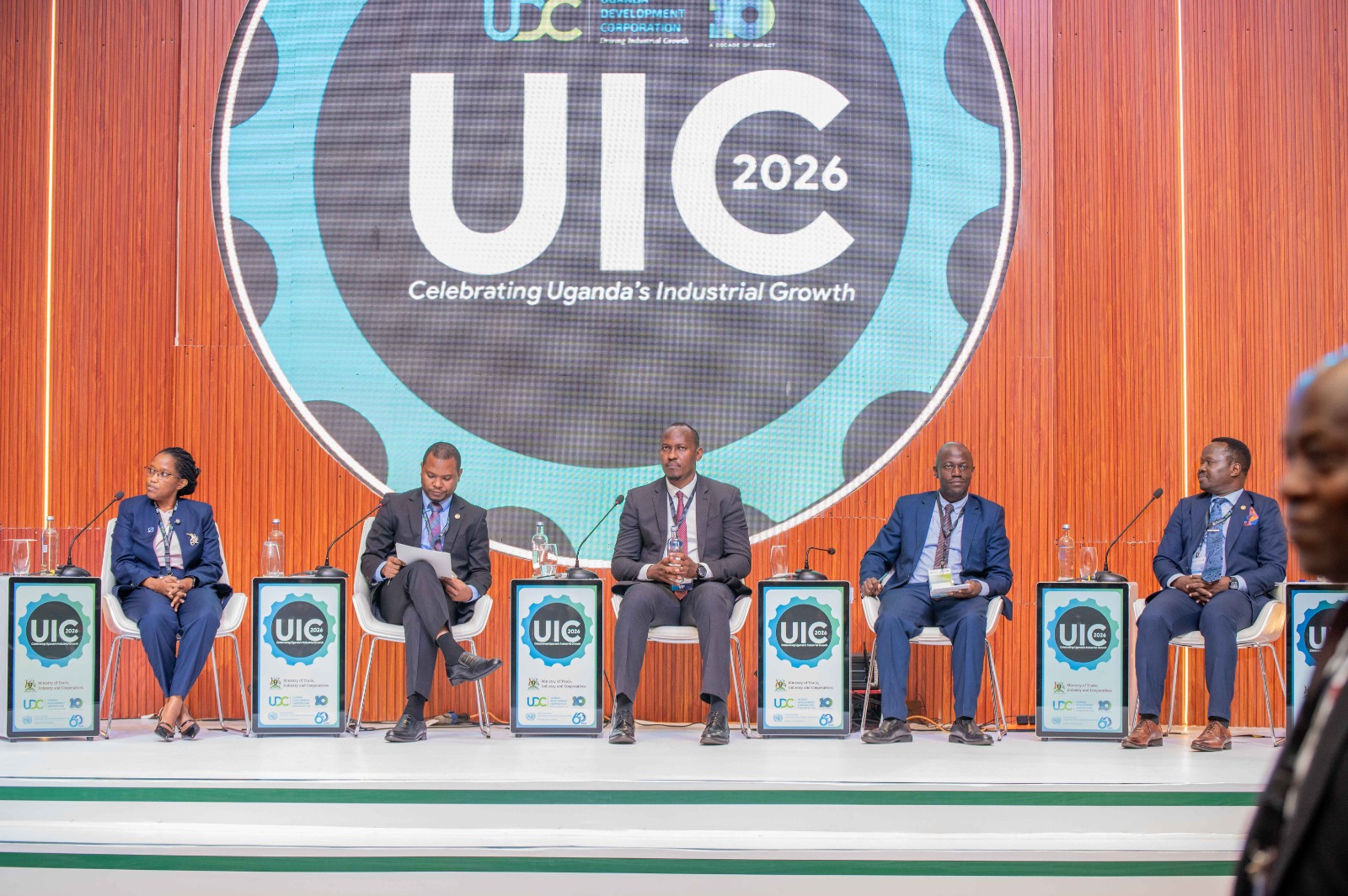
The proposals were contained in a statement of resolutions from the second edition of the Coffee Roundtable Think Tank held on November 13 and 14 at Africa Coffee Park in Rwashamaire, Ntungamo district.
The meeting brought together government officials, policymakers, investors, coffee exporters, researchers and other industry players to discuss how coffee can contribute to industrialisation, tourism, investment and international trade.
In their statement, the participants challenged Uganda’s traditional approach of measuring success in the coffee industry by production and export volumes, arguing that the country should instead focus on the economic value generated from the crop.
“Uganda can no longer be defined by how much coffee it produces or how many bags it exports, but by how much of the global economy it can build around coffee while developing competitive brands that can compete globally,” the statement reads.
The stakeholders said this shift was necessary if Uganda is to move from being a supplier of agricultural raw materials to a country that manufactures and sells competitive products in international markets.
The government targets to expand the economy to $500 billion by 2040 under its Tenfold Growth Strategy, while the National Coffee Strategy 2015/2016 to 2040 targets annual coffee production of 12 million 60-kilogramme bags.
However, the coffee players argue that increasing production without expanding local processing capacity could limit the industry’s contribution to economic transformation.
Processing takes centre stage
One of the major proposals is to make coffee industrialisation a priority by directing more resources towards processing and manufacturing.
“Treat coffee as an industrialisation agenda, not just a commodity. Invest in soluble coffee, processing, roasting and other high-value-addition interventions,” the statement reads.
The participants also want government to reconsider how it supports the coffee industry, moving away from production-based subsidies towards investments that reward productivity, quality, market value and industrial competitiveness.
They further called for affordable financing and coffee export guarantees to support exporters of value-added products.
The proposals are aimed at helping local businesses acquire processing equipment, expand production and compete with established international coffee brands.
Government procurement to create local market
The stakeholders are also pushing for government institutions to become consistent buyers of Ugandan coffee brands, arguing that public procurement could help build a reliable domestic market for locally processed products.
Under the proposal, public institutions would procure local coffee for their offices and conferences instead of relying on imported or foreign brands.

“Public institutions will focus on consistently creating domestic demand for local coffee by procuring local brands for offices and conferences,” the statement reads.
The move is expected to provide a market for domestic processors while encouraging more businesses to invest in coffee manufacturing and branding.
The participants also called for the digitalisation of coffee value-addition systems to improve efficiency, quality and competitiveness.
To monitor the impact of investments, they proposed a consolidated coffee investment and performance scorecard to track the sector’s performance and the value generated from different interventions.
Coffee tourism emerges as another revenue stream
Beyond exports and manufacturing, the stakeholders want Uganda to turn coffee production areas into tourism destinations capable of attracting visitors and investment.
They proposed developing the Africa Coffee Park tourism circuit in Ntungamo and replicating the model in other coffee-growing areas.
The initiative would connect coffee farms with cultural experiences, conservation, destination marketing, farm visits and coffee-tasting activities.
“Make coffee tourism a serious economic product moving forward, rooted in connecting culture, conservation, destination marketing, farm visits, and coffee tasting experiences,” the statement reads.
The proposal seeks to create additional income opportunities for coffee-growing communities while expanding Uganda’s tourism products beyond traditional wildlife and nature attractions.
Diplomatic missions tasked with opening markets
The coffee stakeholders also want Uganda to use its diplomatic missions to attract investment and secure international markets for locally processed coffee.
They proposed integrating coffee tourism and value addition into the country’s economic diplomacy strategy, arguing that Uganda’s foreign engagements should generate commercial opportunities for local businesses.
The statement calls on heads of diplomatic missions to “treat every foreign engagement or meeting as a business opportunity for Uganda”.
The participants believe that diplomatic missions can play a bigger role in connecting Ugandan coffee exporters and manufacturers to international buyers, investors and commercial partners.
The resolutions also call for continued investment in coffee quality through washing, roasting and tertiary value-addition innovations.
The second edition of the roundtable comes at a time when Uganda is seeking to increase coffee production and earnings while positioning the crop as a major contributor to industrial development, employment and foreign exchange generation.