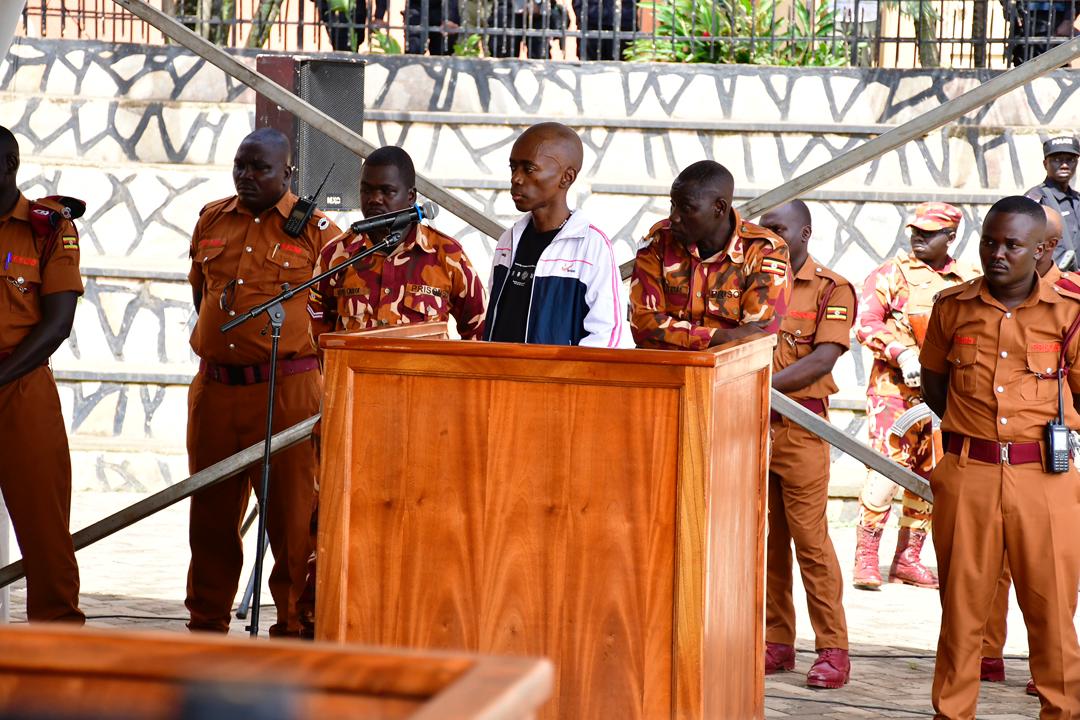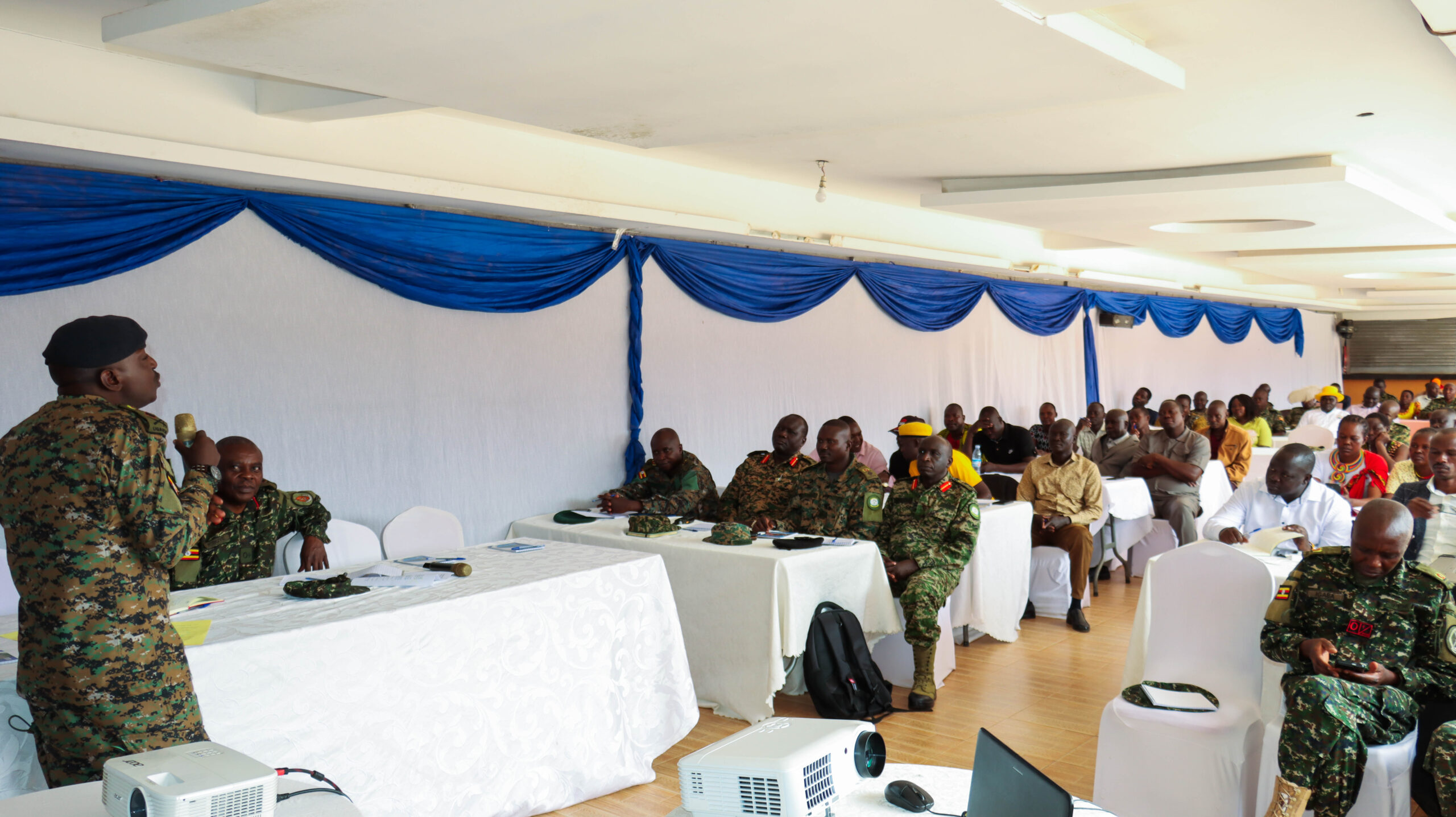


Cabinet has approved a proposed Small Arms and Light Weapons Control Bill, 2026, in a move aimed at strengthening the regulation of firearms, curbing illegal possession and closing gaps in the country’s existing gun-control laws.
The proposed legislation is expected to introduce stronger mechanisms for licensing, registration, marking and tracing of firearms, as well as address weaknesses in border surveillance and the illegal manufacture and hiring of guns.
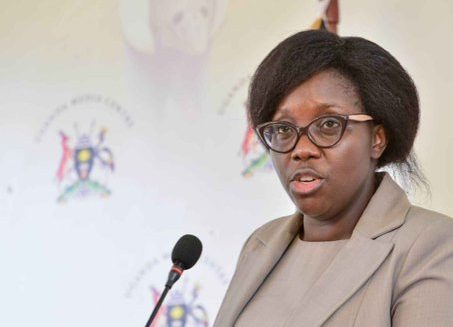
In a statement on the resolutions of the 18th Cabinet meeting held at State House, Entebbe, on November 23, Minister of ICT and National Guidance and Government spokesperson Justine Kasule Lumumba said Uganda needed a comprehensive legal framework to address the increasing illegal possession and misuse of firearms.
Lumumba said although the country has several laws regulating firearms and their use, the existing legislation contains gaps that undermine effective control of small arms and light weapons.
The laws currently providing for aspects of firearms regulation include the Firearms Act, the Uganda Peoples’ Defence Forces Act, the Penal Code Act, the Police Act, the Prisons Act and the Anti-Terrorism Act.
However, the minister said these laws do not provide a sufficiently comprehensive framework to address the growing challenges associated with small arms and light weapons.
Among the gaps identified are the absence of legal provisions for the management and disposal of firearms, inadequate provisions for practical and theoretical training of firearms licence holders, weak border controls and poor surveillance.
The proposed law will also seek to address illegal manufacturing and hiring of firearms while strengthening licensing, registration, safe custody and enforcement.
Small arms are firearms designed for individual use, including handguns, rifles, carbines, sub-machine guns, assault rifles and light machine guns. Light weapons, on the other hand, are man-portable weapons operated by crews and include heavy machine guns and grenade launchers.
Uganda’s efforts to regulate the weapons are part of regional and international commitments dating back to the 2002 Nairobi Declaration on the prevention, control and reduction of illicit small arms and light weapons in the Great Lakes Region, the Horn of Africa and neighbouring states.
The declaration culminated in the 2004 Protocol, which binds 15 countries, including Uganda.
Beyond the proposed firearms legislation, Cabinet also approved new appointments to the management committee of the Law Development Centre (LDC).
The approved members are Justice Christopher Madrama Izama as chairperson, Theodora Bitature Webale, Okello Onyem Alfred and Mariam Nabulime Mbabali.

The committee is responsible for the governance and policy direction of the LDC, whose mandate includes organising and conducting courses to equip people with legal knowledge, professional skills and experience.
The appointees will serve for two years in accordance with the Law Development Centre Act.
Cabinet also approved four new members of the governing board of the National Identification and Registration Authority (NIRA), following the expiry of the terms of four existing members.
The new appointments include Hajjat Aisha Lubega Basajjanaku, Deputy Chairperson of the Electoral Commission, as deputy chairperson of the board; Margret Bwambale Kabugho, representing the Immigration Office; Ntale Mustapher, Registrar General of the Uganda Registration Services Bureau; and Lydia Namono Kayibizi, representing the Uganda Bureau of Statistics.
The appointments are provided for under Section 9 of the Registration of Persons Act, 2015, which establishes the NIRA board as the governing body of the authority.
Meanwhile, Cabinet approved Uganda’s participation in the 2026 United Nations Water Conference, scheduled for December 8-10 in Abu Dhabi, United Arab Emirates.
It also approved Uganda’s hosting of the 22nd session of the UNESCO Intergovernmental Committee for the Safeguarding of Intangible Cultural Heritage in Kampala in November 2027.
The meeting further discussed preparations for the 2026 International Anti-Corruption Day, which will be commemorated on December 9 at State House, Entebbe, under the theme, “No More Sleep, No Corruption: Collective Action and Accountability for Effective Service Delivery and Social Economic Transformation.”
The commemoration, which will be presided over by President Yoweri Museveni, will be held virtually.
International Anti-Corruption Day was established by the United Nations General Assembly through Resolution 58/4 of October 31, 2003.