
Elon Musk’s neurotechnology company, Neuralink, has secured approval from the United States Food and Drug Administration (FDA) to conduct a pivotal clinical trial of its brain implant technology in patients suffering from amyotrophic lateral sclerosis (ALS), a progressive neurological disease that causes muscle weakness and paralysis.
The trial, known as the LINK Pivotal Study, will evaluate the safety and effectiveness of Neuralink’s brain-computer interface (BCI) in enabling people with severe paralysis to operate computers and other digital devices using brain signals, without relying on physical movement.
The approval marks a significant step in the company’s efforts to move the technology beyond early human testing and establish its potential for wider medical application.
Neuralink said the new study builds on earlier clinical trials conducted in the United States, Canada and the United Kingdom, involving more than 30 participants who have collectively accumulated thousands of hours of experience using the technology.
The brain-computer interface works by detecting and interpreting electrical signals generated by brain activity associated with a person’s intended movements, then translating them into commands that can operate external devices.
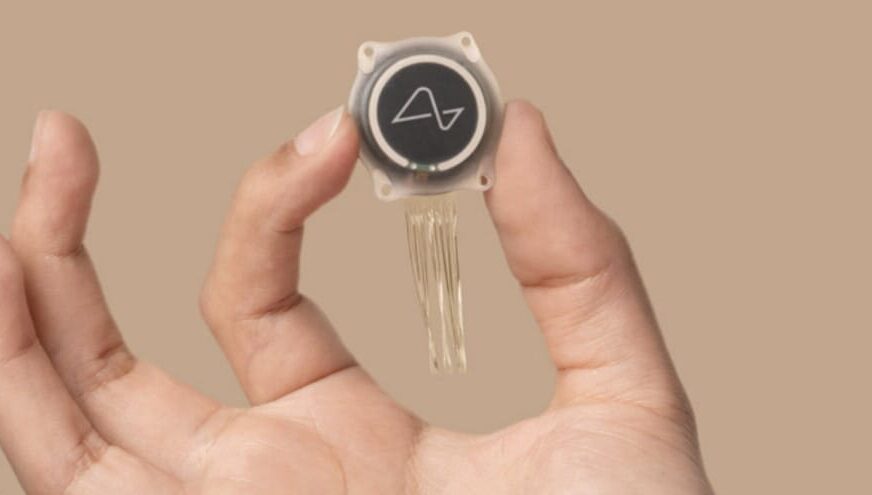
Neuralink’s N1 implant is surgically placed inside the skull, with tiny electrode threads extending into the brain to capture neural activity. The signals are processed and converted into digital commands, allowing users to control computer cursors, navigate applications and perform other tasks without physically moving their hands.
The technology is particularly intended to help people whose medical conditions have severely restricted their ability to communicate and interact with the outside world.
ALS, also known as Lou Gehrig’s disease, progressively damages motor neurons responsible for controlling voluntary muscles. As the disease advances, patients may lose the ability to walk, speak, swallow and perform routine activities, although their cognitive abilities can remain intact.
For people with advanced ALS, maintaining communication and independence becomes increasingly difficult as muscle control deteriorates. Neuralink hopes its technology can provide an alternative means of interacting with computers and other digital devices.

The LINK Pivotal Study follows earlier feasibility trials that primarily examined the safety of implanting the device and its ability to interpret brain signals.
Pivotal trials are designed to generate more comprehensive clinical evidence on a medical device’s safety and effectiveness, which can inform subsequent regulatory decisions on its potential wider use.
In previous demonstrations, Neuralink participants have used brain signals to control computer cursors, play video games and interact with digital platforms without physically using their hands.
However, the latest FDA approval does not mean the implant has been cleared for commercial sale or general medical use. Neuralink must still demonstrate that the technology meets the required safety and effectiveness standards before it can become widely available.
Beyond paralysis, the company is also exploring other applications of brain-computer interfaces, including experimental technology aimed at restoring vision in people with severe visual impairment and helping people with speech disabilities communicate.
The latest development adds to growing international research into neurotechnology, an emerging field investigating how electronic systems can interact directly with the human nervous system to address neurological conditions and improve the lives of people living with physical disabilities.