
The Government and the World Bank are reviewing the financing requirements of the second phase of the Uganda Intergovernmental Fiscal Transfers Programme (UGIFT), amid concerns about the sustainability of public infrastructure investments and the resources needed to keep them operational.
The review is focusing on how to ensure that money invested in constructing schools, health facilities and water systems is matched with adequate funding for staffing, daily operations and maintenance.
The discussions are expected to shape the first phase of UGIFT 2.0, a programme intended to strengthen service delivery by local governments through improved financing of essential public services.
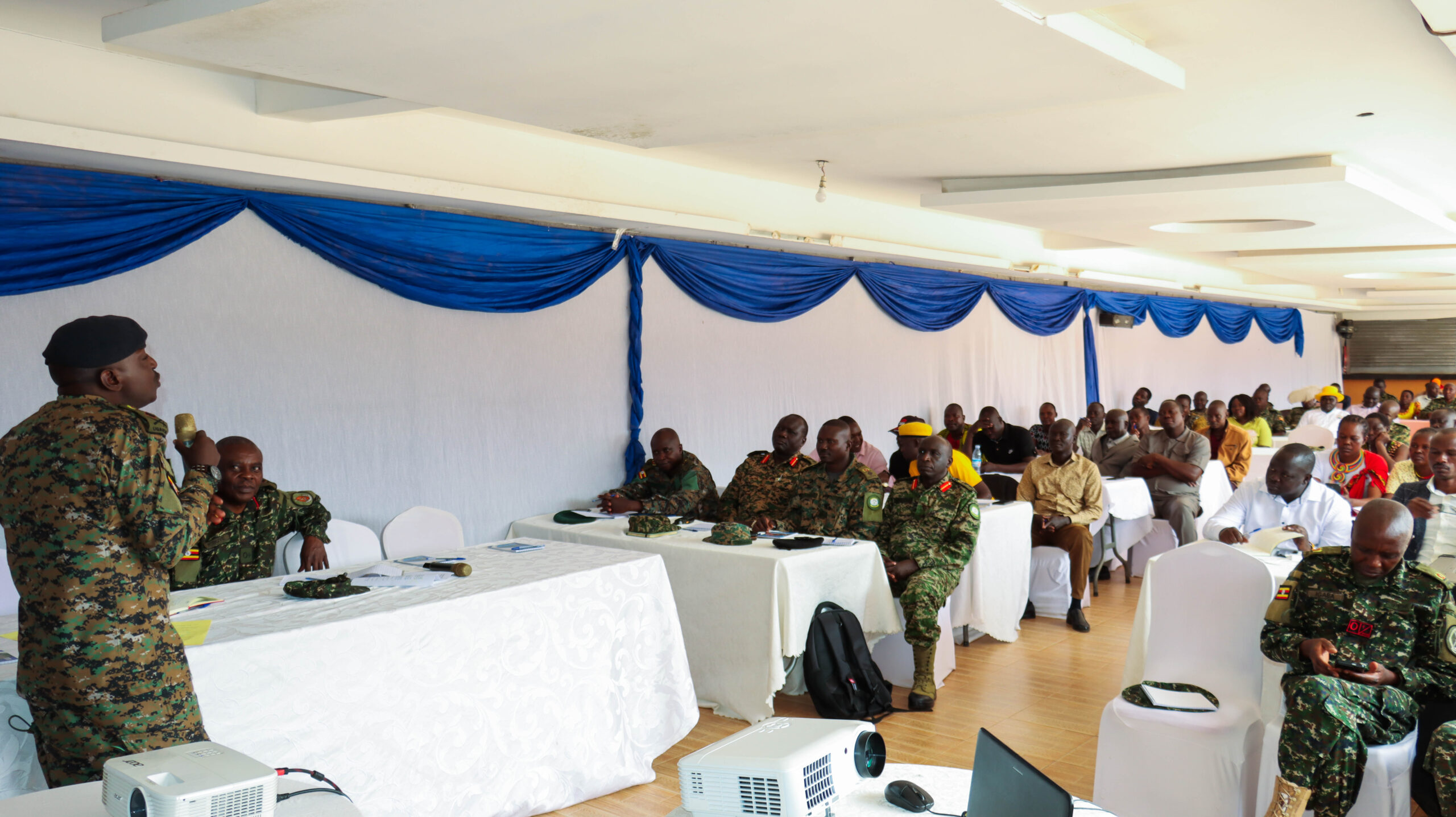
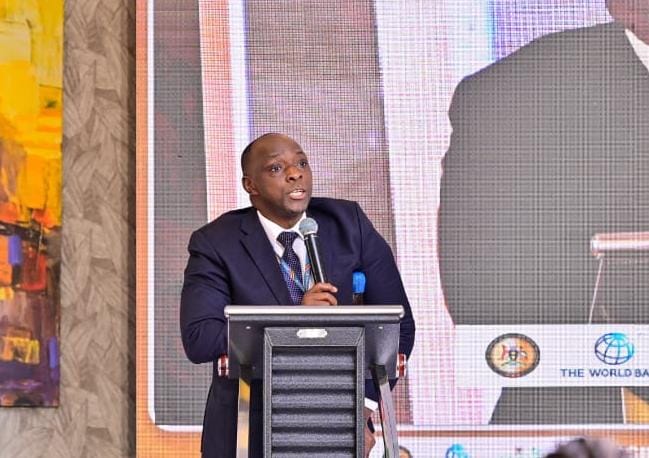
Officials from the Ministry of Finance, Planning and Economic Development, the World Bank and various ministries, departments and agencies are meeting to assess sector priorities, determine financing requirements and agree on implementation arrangements.
The technical workshop is being led by Ali Tagoole, Acting Commissioner for Budget Policy, representing the Acting Director of Budget, Hannington Ashaba.
At the centre of the review is the question of whether local governments will have sufficient resources to operate and maintain the facilities being developed under the programme.
In the education and health sectors, this means ensuring that newly constructed schools and health facilities have adequate personnel and operational budgets. For water infrastructure, the concern is whether sufficient resources will be available for routine maintenance and continued service delivery.

Officials are also examining the Programme Expenditure Framework and the Government’s medium-term fiscal commitments to establish which investments can be accommodated within available resources, how they should be prioritised and phased, and which institutions will be responsible for implementation.
The review will also consider performance targets and verification mechanisms to track expenditure and establish whether investments are translating into tangible improvements in service delivery.
The workshop’s findings will inform the subsequent stages of UGIFT 2.0, including feasibility assessments, appraisal, negotiations, approval and eventual implementation.
The programme builds on the Government’s efforts to improve the financing of decentralised service delivery by directing resources to local governments to strengthen essential public services.
However, the new phase faces the challenge of ensuring that infrastructure development does not outpace the Government’s capacity to finance the personnel, operations and maintenance needed to sustain the services.