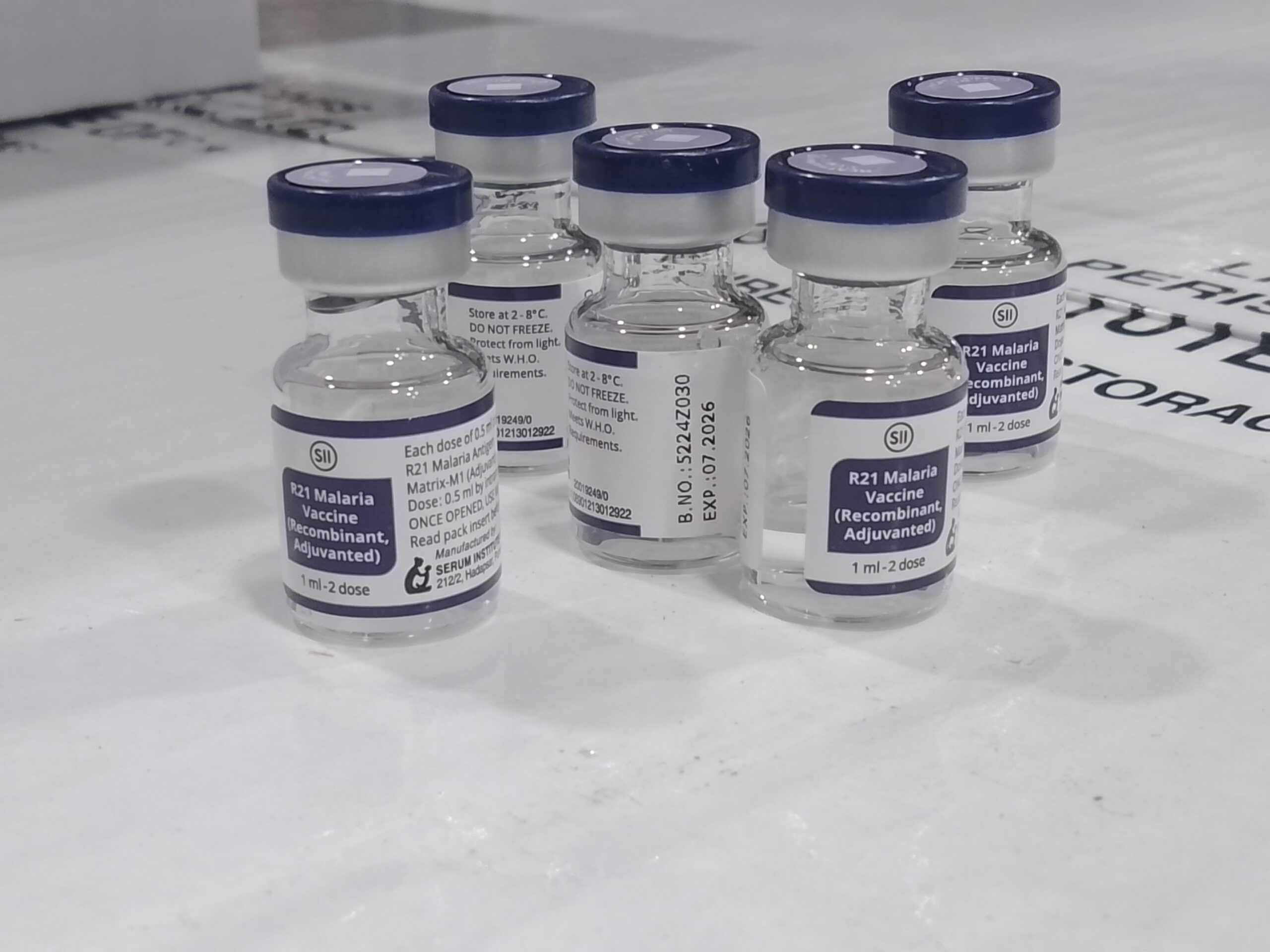

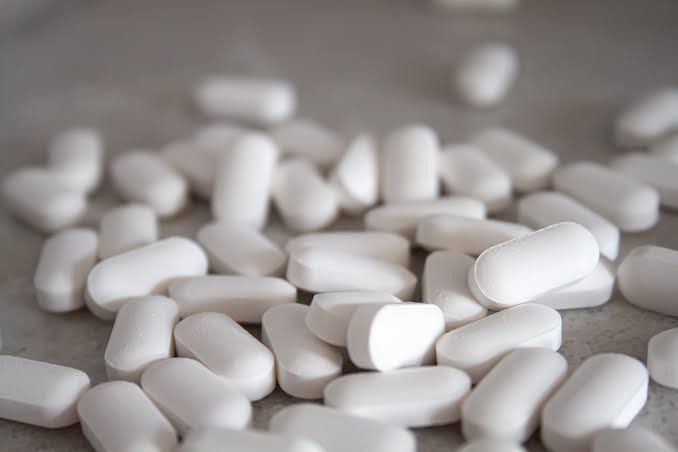
Drugs worth Shs 8.04 billion are reported to have expired at the National Medical Stores (NMS), Daily Star can reliably report.
The expiries were mainly attributed to misalignment between the country’s medicine needs and what was procured, as well as changes in treatment protocols by the World Health Organisation (WHO) after the medicines had already been procured.
Shortcomings in the procurement and distribution of Essential Medicines and Health Supplies (EMHS) increase the risk of stock-outs at health facilities, treatment disruptions and possible deaths among patients who cannot afford to purchase medicines from private pharmacies.
The National Medical Stores is mandated to procure, store and distribute essential medicines and health supplies to all public health facilities in the country.
The scope of this mandate covers 3,432 health centres at various levels across different parts of the country.
A recent audit by the Auditor General revealed that the budget allocated to NMS for this mandate was Shs 181 billion below the assessed funding requirements.
A review of the National Annual Needs Analysis and Quantification of Essential Medicines and Health Supplies for public health facilities in Uganda, compiled by the Ministry of Health and NMS, showed that Shs 1.574 trillion was required annually for NMS to meet the country’s EMHS needs.
However, during the year under review, only Shs 1.393 trillion was committed, leaving a funding gap of Shs 181 billion, representing 11% of the required resources.
By June 30, 2025, NMS had non-viable or expired drugs valued at Shs 8.04 billion, comprising government stock worth Shs 530 million and stock from development partners worth Shs 7.51 billion. This represents a 97% reduction from the Shs 316 billion worth of expired drugs—mainly COVID-19 vaccines—recorded as of June 30, 2024.

The management of Essential Medicines and Health Supplies is intended to ensure that all Health Centre IVs are adequately stocked with medicines and supplies required to deliver primary health care, emergency treatment, surgical services and diagnostic services.
However, stock-outs of essential medicines and supplies remain widespread across many health facilities, undermining primary healthcare delivery and the ability of Health Centre IVs to provide emergency and surgical services as mandated.
“Stock-outs of EMHS were confirmed for key tracer medicines such as antibiotics, antimalarials, laboratory reagents and emergency theatre supplies. These shortages directly compromise timely diagnosis and treatment, increase the risk of patient morbidity and mortality, and erode public confidence in the health system,” the Auditor General noted in the report.
The Auditor General conducted an audit in 136 Health Centre IVs across 135 local governments to assess the management of EMHS.
Inspections of EMHS stores revealed that several items had expired during the year, with notable weaknesses in the management of expired stock. A total of 44 health facilities were found with expired medicines valued at Shs 2.6 billion.
Additionally, 15 health facilities were found to have improperly stored expired medicines, with some expired EMHS kept alongside usable stock and stored in inappropriate spaces such as office corridors and wards. In several cases, expired supplies had not been collected by NMS.