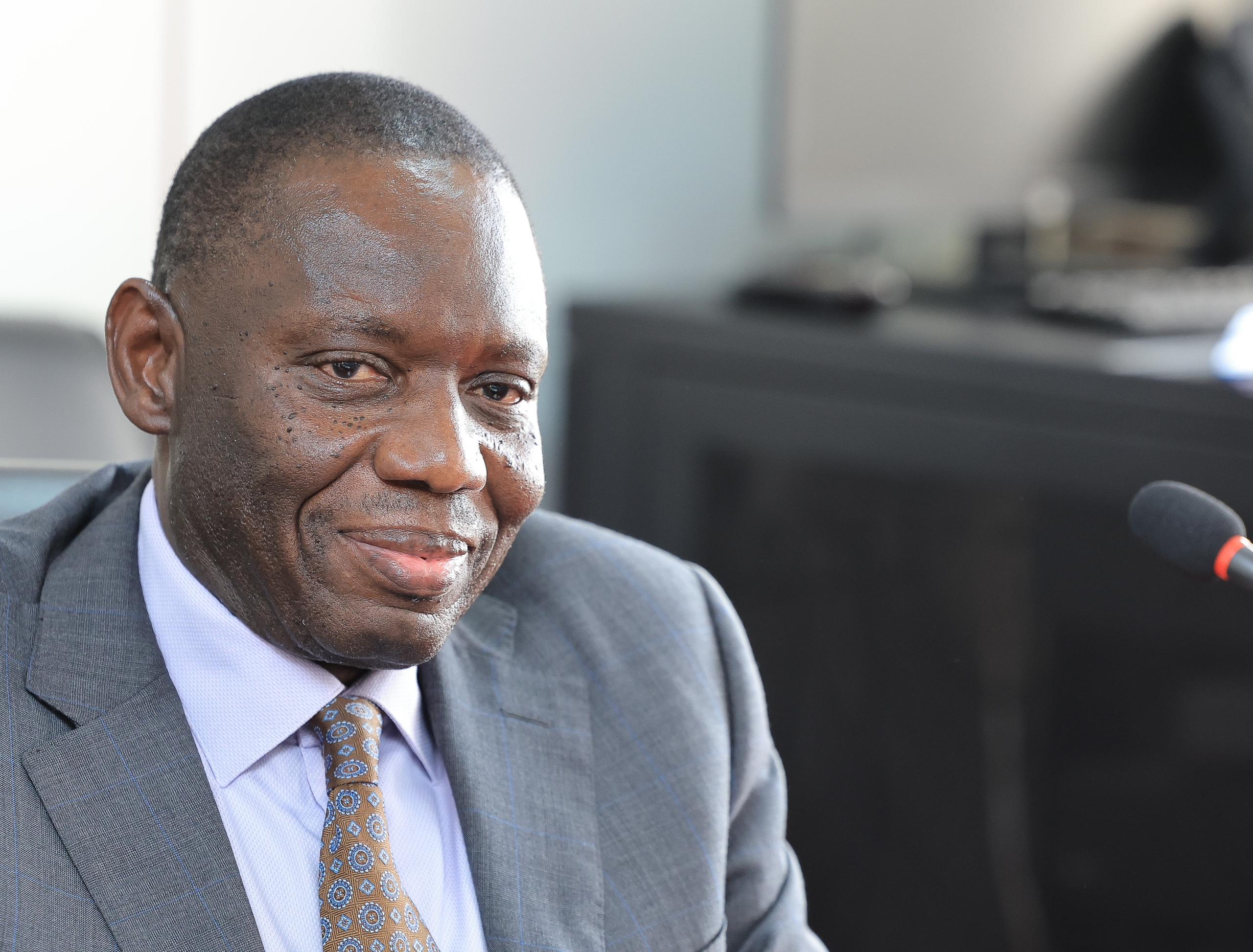

Uganda’s agricultural future may not lie in expanding farmland, but in expanding intelligence. That was the central message from Arshad Rab, CEO of the European Organisation for Sustainable Development and Chairman of the International Sustainability Council, who urged Uganda to reposition agriculture as a technology-powered engine capable of absorbing and empowering its youthful population.
“A technology-enabled, market-driven agricultural sector can be one of the most attractive spaces for youth,” Rab said.
Speaking at the Second Edition of the Uganda Development Bank UDB RISE 4 Uganda Summit 2026, Rab framed agriculture as central to Uganda’s ambition to grow its economy tenfold, from 50 billion dollars to 500 billion dollars by 2040.
Agriculture already contributes 26 percent to Uganda’s Gross Domestic Product, yet it remains largely associated with subsistence farming and rural hardship. With youth unemployment at 4.46 percent, Rab argued that modernizing agriculture is not just an economic priority but a demographic necessity.
“For decades, survival, not ambition, has defined agriculture,” he said. “But inheritance does not mean destiny.”
From Hand Hoes to High Tech
Rab painted a vivid contrast between traditional farming and what he described as a new agricultural frontier.
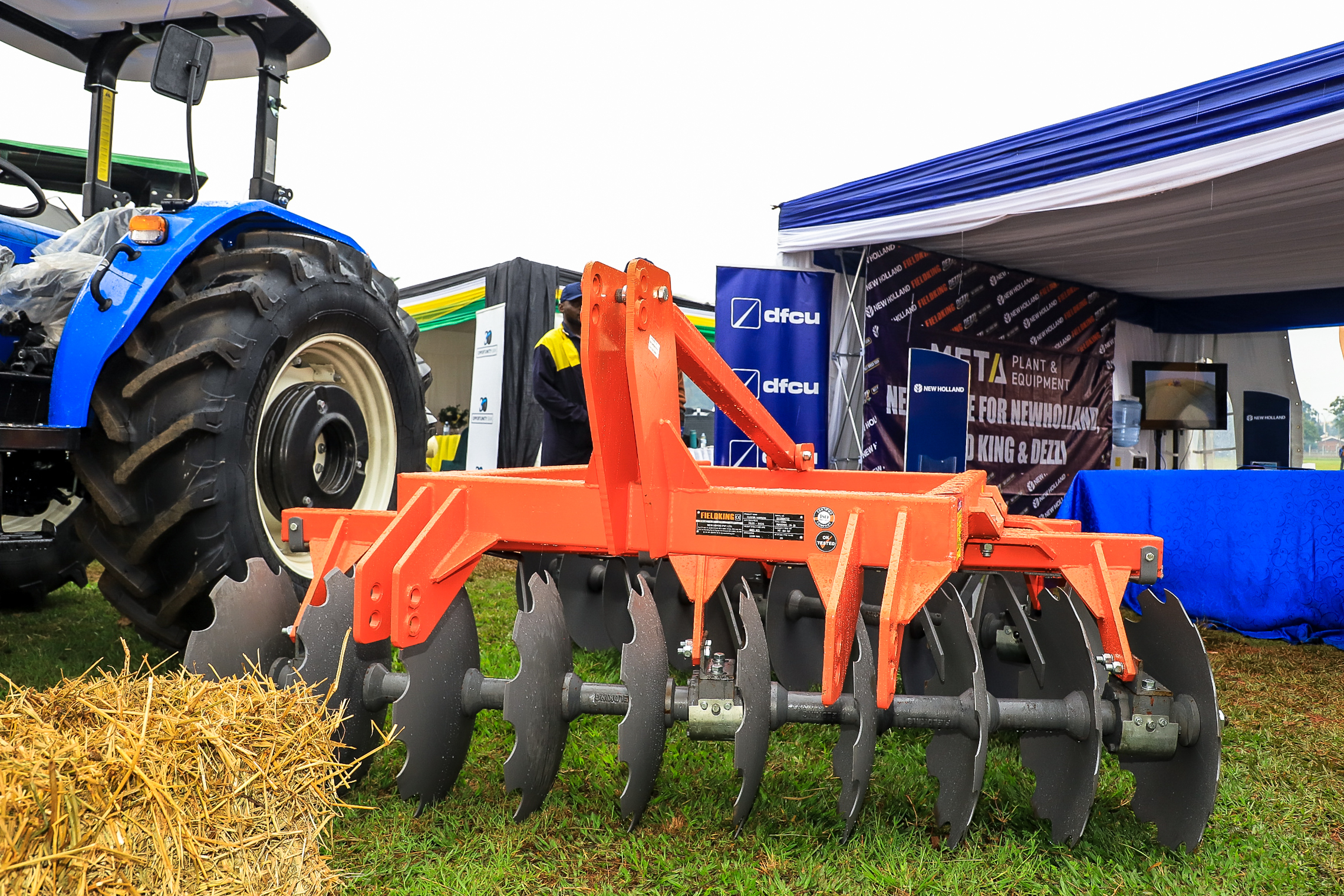
“Picture agriculture as it is often seen: a tired farmer under the scorching sun, worn-out tools, a small patch of land,” he said. “Now imagine young farmers equipped with tablets and drones, farms operating like command centers, and harvests managed through data-driven systems.”
He emphasized that tools such as Sera AI under the RISE 4 Uganda framework can evaluate opportunities across the entire agricultural value chain, from farm inputs and production to processing, logistics, and export markets. Artificial Intelligence, he noted, enables better forecasting, risk assessment, and structured investment, ensuring capital flows where it delivers measurable impact.
In this model, agriculture shifts from being viewed as a social safety net to becoming economic infrastructure capable of generating predictable incomes, scaling enterprises, and multiplying jobs.
“With the right tools, science, and capital, agriculture can move from being the least modernized sector to one of the most innovative,” Rab said.
Modernization Without Marginalization
While technology offers promise, industry leaders cautioned against a transformation that sidelines Uganda’s labor force.
Aga Sekalala, Chief Executive Officer of Ugachick Poultry Breeders Limited and Chairman of the Uganda Manufacturers Association, stressed that productivity gains must go hand in hand with employment creation.
He reminded participants that Uganda’s youth are both the workforce and the emerging consumer base of the agricultural economy.

At the same time, Sekalala pointed to post-harvest losses as one of the sector’s most pressing inefficiencies. Between 30 and 45 percent of food is lost overall, and up to 80 percent of grains, largely due to poor storage and handling systems.
“That is value lost before it even reaches the market,” he noted, describing it as a clear investment opportunity rather than merely a challenge.
He proposed scalable cold-chain solutions and micro-warehousing systems, similar to solar-powered storage models used in Nigeria and Kenya, which have helped reduce food waste and create employment opportunities.
Rethinking Agricultural Finance
John Robert Okware, Country Director at ACELI Africa, observed that agriculture continues to be labeled high-risk within traditional banking frameworks.
Unless regulatory systems fully recognize risk-sharing guarantees, he warned, financial instruments will remain ineffective in mobilizing meaningful capital into the agri-food sector.
Meanwhile, Okurut Charles, Executive Director of GTS Solutions, emphasized that small-scale farmers still struggle with access to technology, infrastructure, and affordable finance.
By aggregating farmers and linking them with input providers, financiers, and off-takers through virtual investment platforms, he explained, investments can be structured for recovery within a single season.
“Technology must be embedded within systems that make it affordable and sustainable,” he said. “That is how innovation becomes inclusive.”
A Sector at a Turning Point
Uganda’s agricultural sector stands at a defining moment. It can continue along a path marked by low productivity and post-harvest losses, or it can reinvent itself through technology, structured finance, and coordinated value chains.
If the voices at the UDB summit are any indication, the transformation of agriculture is no longer just about food production. It is about jobs, competitiveness, exports, and the future of Uganda’s youth.
And in that future, the farm may look less like a field of struggle and more like a platform for innovation and enterprise.