
The Judiciary is holding more than Shs54.4 billion in unclaimed bail fees and security deposits belonging to suspects, lawmakers on Parliament’s Public Accounts Committee (PAC) have revealed.
The matter came up on Wednesday, March 4, during a meeting between the committee and Judiciary officials to review the 2024/25 Auditor General’s report.
Committee findings indicate that at the start of the financial year, the Judiciary was already holding Shs55.8 billion in unclaimed bail money accumulated from previous years.
During the 2024/25 financial year, courts collected an additional Shs16.15 billion in fresh bail payments, while Shs17.56 billion was refunded to claimants. Despite the refunds, more than Shs54 billion remains in court accounts.
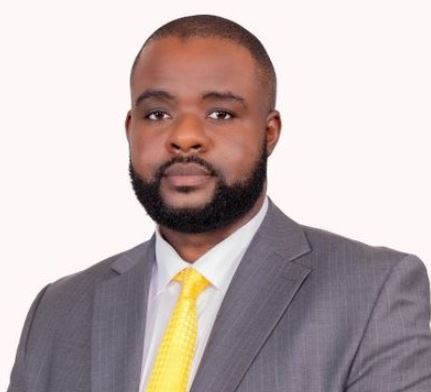
Ibanda North MP Xavier Kyooma told the committee that the funds clearly belong to citizens and should not remain indefinitely in court custody.
“At the beginning of the financial year it stood at Shs55.8 billion, meaning the Judiciary was holding money that belonged to claimants,” Kyooma said.
“So we are talking about over Shs54 billion that belongs to people but is still in the hands of the Judiciary. This is not small money.”
PAC Vice Chairperson Gorreth Namugga (Mawogola North) described the situation as a systemic problem and questioned why the Judiciary has not automated the refund process.
“When you look at your records and see Shs54.4 billion as people’s money lying in accounts, it clearly shows there is a problem. Something must be solved,” Namugga said.
“In this era of technology, how can we still be this manual? It is an embarrassment.”
MPs also raised concerns about what they described as excessively high bail fees imposed on ordinary Ugandans.
Namugga questioned whether bail was being used as a form of punishment rather than a legal safeguard.

“Is bail a punishment?” she asked, citing a case in Ssembabule where a suspect was required to pay Shs1 million in cash bail.
“To the public, it now looks as if bail is punishment.”
Kassanda North MP Patrick Nsamba urged judicial officers to consider the financial circumstances of accused persons when setting bail conditions.
“You look at someone before you in Ssembabule and ask them to pay Shs1 million cash bail. Even if the entire clan came together, they might not raise that money,” Nsamba said.
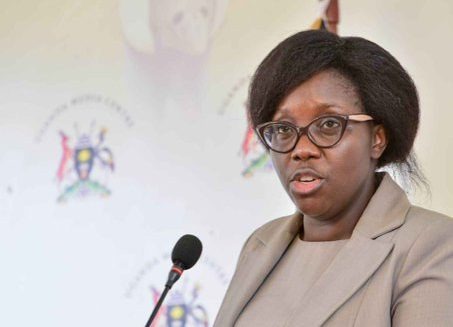
However, Acting Chief Registrar Pamela Lamunu defended the Judiciary, maintaining that bail is not intended to punish suspects but to balance personal liberty with the interests of justice.
“Bail is not a punishment. Every accused person has the right to apply for bail, and it is the discretion of the judicial officer to determine whether to release that person and whether to grant cash or non-cash bail,” Lamunu said.
On the issue of unclaimed funds, Lamunu said courts display information on notice boards explaining how the public can claim refunds, adding that payments can also be processed through bank accounts and mobile money.
“It does not serve us any good to have that money in our accounts. It is not our money,” she said.
PAC has now directed the Judiciary to submit detailed records of claimants and indicate how long some of the unclaimed bail money has remained in court custody as lawmakers push for reforms in bail assessment and refund management.