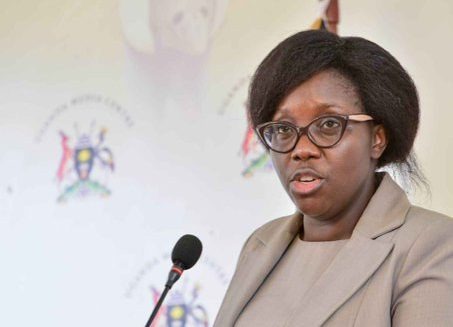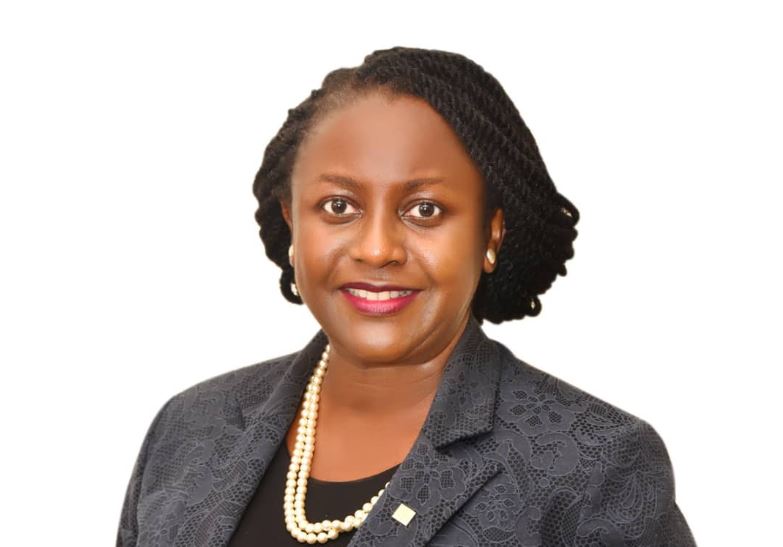

The Minister for Lands, Housing and Urban Development, Judith Nabakooba, has urged churches and other institutions to prioritise surveying and registering their land in order to protect it from disputes and encroachment.
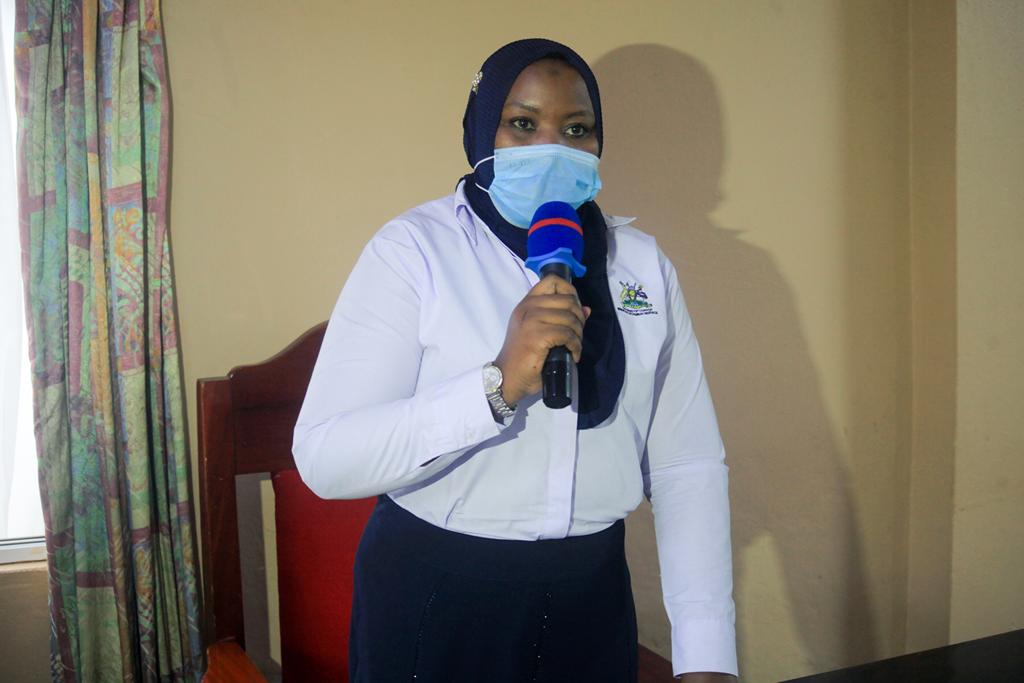
Nabakooba made the appeal while speaking at Uganda’s national celebration of the Women’s World Day of Prayer held at St. Nicholas Orthodox Cathedral. She warned that many religious institutions across the country remain vulnerable to losing property because their land has not been formally documented.
The Women’s World Day of Prayer is an international Christian observance marked in more than 150 countries. This year’s global programme was led by Nigeria. In Uganda, the event was organised by the Uganda Orthodox Church under the umbrella of the Uganda Joint Christian Council (UJCC), which brings together the Orthodox Church, the Roman Catholic Church and the Church of Uganda.
Addressing the congregation, Nabakooba said the occasion provided more than an opportunity for spiritual reflection. She noted that it also created a platform to discuss important national concerns, including land management and the protection of church property.
According to the minister, the Ministry of Lands continues to receive numerous complaints involving church land that has been encroached upon, illegally occupied or dragged into court disputes because of incomplete or missing documentation.
She explained that many churches obtained land decades ago through donations from communities or traditional leaders but never finalised the legal procedures needed to obtain official land titles.
“This situation has made a number of church properties easy targets for encroachers and land grabbers who exploit the absence of proper documentation,” Nabakooba said.
She stressed that surveying and officially registering church land would help provide legal security and ensure such property continues to support community services such as schools, health facilities and places of worship.
“Once church land is surveyed and legally documented, it becomes easier to protect it from encroachment and disputes. This guarantees that the church’s heritage and assets remain available to serve communities for many years,” she added.
Strengthening Government–Church Collaboration
Nabakooba also highlighted the importance of cooperation between government and religious institutions, describing the relationship as essential for promoting peace, unity and social transformation.
She noted that churches have historically contributed significantly to national development through their involvement in education, healthcare and community initiatives, in addition to providing spiritual guidance.
Because of this influence, the minister called upon church leaders to support government programmes aimed at improving citizens’ livelihoods.
“Government greatly values its partnership with religious institutions. The church continues to play an important role in promoting unity, peace and positive transformation in society,” she said.
She further encouraged churches to sensitise their congregations about the government’s Parish Development Model (PDM), a programme designed to move households from subsistence living into the money economy.
The initiative supports parish-level income-generating projects through financial assistance and development programmes.

Nabakooba said churches are well positioned to spread awareness about the programme and motivate members to take advantage of its opportunities.
“With the influence the church holds in communities, it can help many families participate in the Parish Development Model, access financial support, establish small businesses and improve their standards of living,” she said.
She added that strengthening household incomes ultimately contributes to broader national development.
Reflecting on Challenges Facing Women
During the event, the minister also acknowledged the various challenges affecting women and families in Uganda, including gender-based violence, economic difficulties and limited opportunities.
She said the Women’s World Day of Prayer should not only be a time for spiritual reflection but also a moment that inspires practical action to address these issues.
“As we pray and reflect together, we must recognise the challenges that many women and families continue to experience. Our faith should motivate us to take action,” she said.
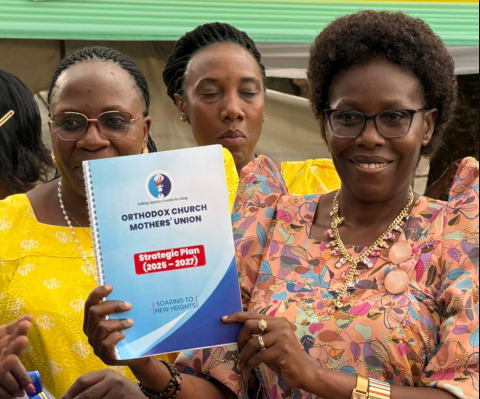
Nabakooba also commended the Orthodox Church Mothers Uganda for using the gathering to highlight issues affecting women and rally support for initiatives aimed at empowering them.
She described the effort as a strong example of faith being translated into real and meaningful action.
“I am encouraged to see that the Orthodox Church Mothers Uganda are using this occasion not only for prayer but also to raise awareness about important issues affecting women and to mobilise support for empowerment programmes,” she said.
Nabakooba further urged believers to use the gathering as a moment of spiritual renewal and recommitment to serving others.
She noted that the day’s message was drawn from the biblical passage Matthew 11:28, which invites those who are weary and burdened to find rest in faith.
“These words resonate with many people, especially women who often carry numerous responsibilities within their families, communities and workplaces,” she said.
She concluded by calling on Christians to translate the spirit of prayer into concrete efforts that promote justice, peace and prosperity in Uganda.