
China has announced that it will remove tariffs on 100 per cent of imports from 53 African countries beginning May 1, 2026, in a move expected to significantly expand Africa’s access to the Chinese market.
The announcement was made by Wang Yi, China’s Foreign Minister, during a press conference held March 7–8 on the sidelines of the Fourth Session of the 14th National People’s Congress in Beijing. Wang described the policy as part of Beijing’s broader strategy of “high-standard opening-up.”
According to Chinese officials, the zero-tariff policy is designed to strengthen trade ties with Africa, deepen economic cooperation and create greater opportunities for African exports in the world’s second-largest economy.
The policy will apply to all African countries that maintain diplomatic relations with Beijing, with the exception of Eswatini, which maintains formal diplomatic ties with Taiwan.
Beijing says the initiative forms part of a wider push to deepen its engagement with the African continent through enhanced political cooperation, economic integration and cultural exchange.
Analysts say the measure could significantly boost African exports to China, particularly in sectors such as agriculture, minerals and textiles, while also helping to narrow the long-standing trade imbalance between China and African economies.
The move follows a February 2026 pledge by Chinese President Xi Jinping to further strengthen economic relations with African nations and expand bilateral trade cooperation.
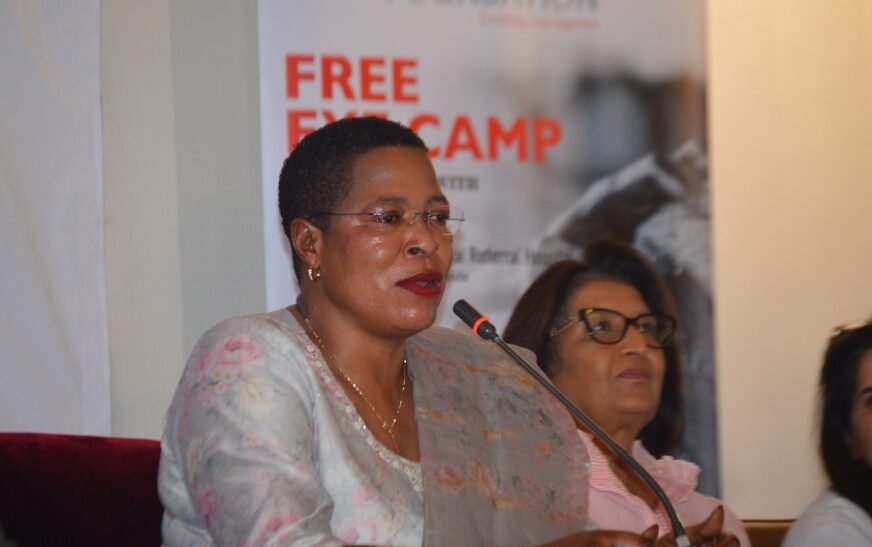
In Uganda, Cleopas Ndorere, commissioner for external trade at the Ministry of Trade, Industry and Cooperatives, welcomed the development, describing it as a major opportunity for African exporters.
Ndorere said the policy builds on China’s earlier duty-free market access for least developed countries and aligns with international trade frameworks that provide non-reciprocal preferential access to developing economies.

“These schemes are designed to enhance export competitiveness, promote industrialisation and support developing countries’ integration into global value chains,” Ndorere said.
He noted that Uganda could benefit from increased access to the Chinese market in key sectors including coffee, cocoa, fish, tea, spices, oilseeds, horticulture, value-added agro-industrial products and minerals.
However, Ndorere cautioned that extending zero-tariff access to both least developed countries and more advanced African economies could heighten competition.
He warned that Uganda may face tariff erosion, as countries with stronger industrial capacity and more developed export supply chains also gain easier entry into the Chinese market.
To fully benefit from the new policy, Ndorere urged Uganda to prioritise value addition, compliance with international standards and certification, improved export logistics and diversification of export products, while also supporting micro, small and medium enterprises involved in export trade.
Analysts believe the new zero-tariff policy could play a significant role in expanding Africa–China trade, potentially driving export growth, industrial development and job creation across the continent.