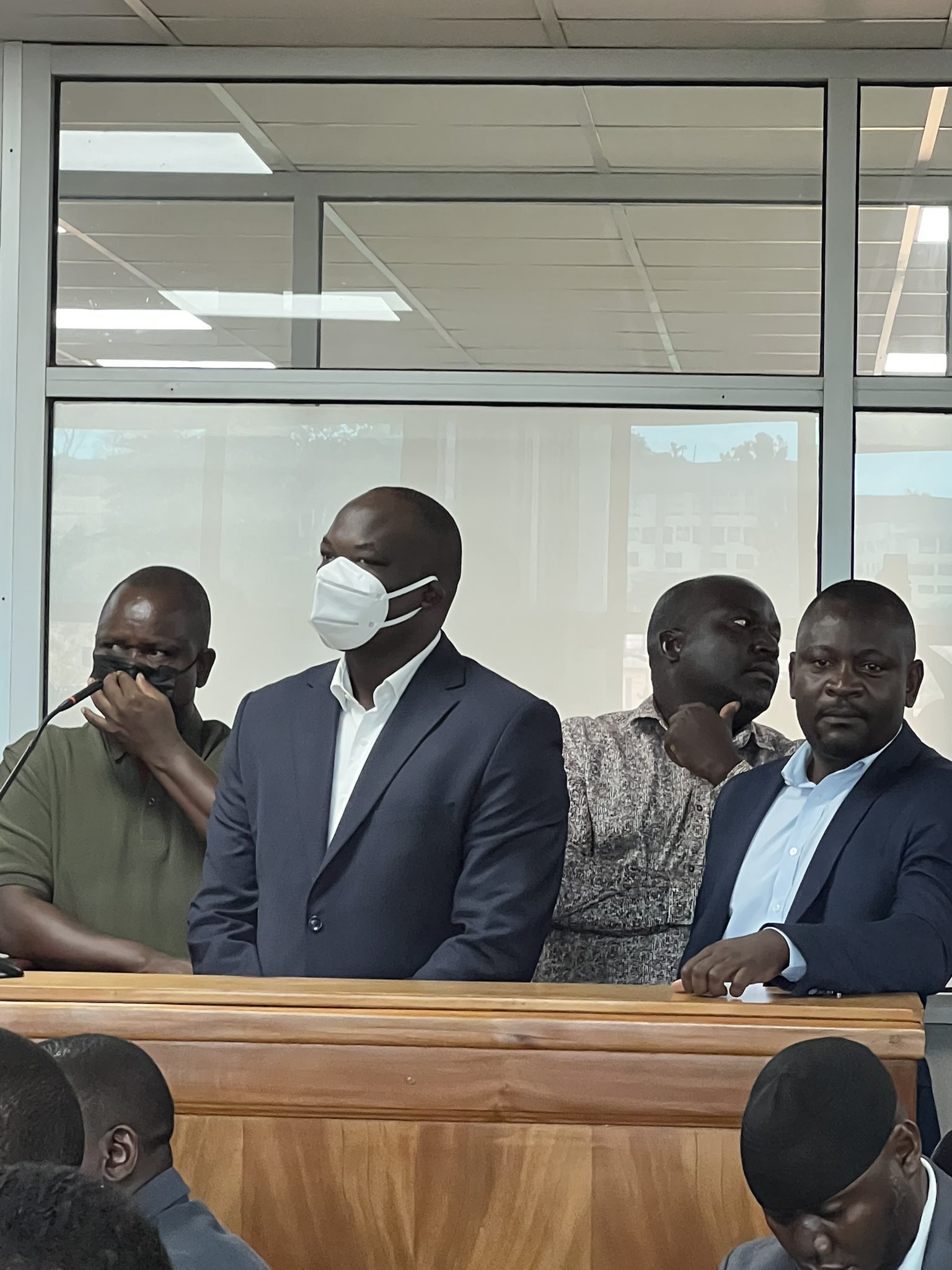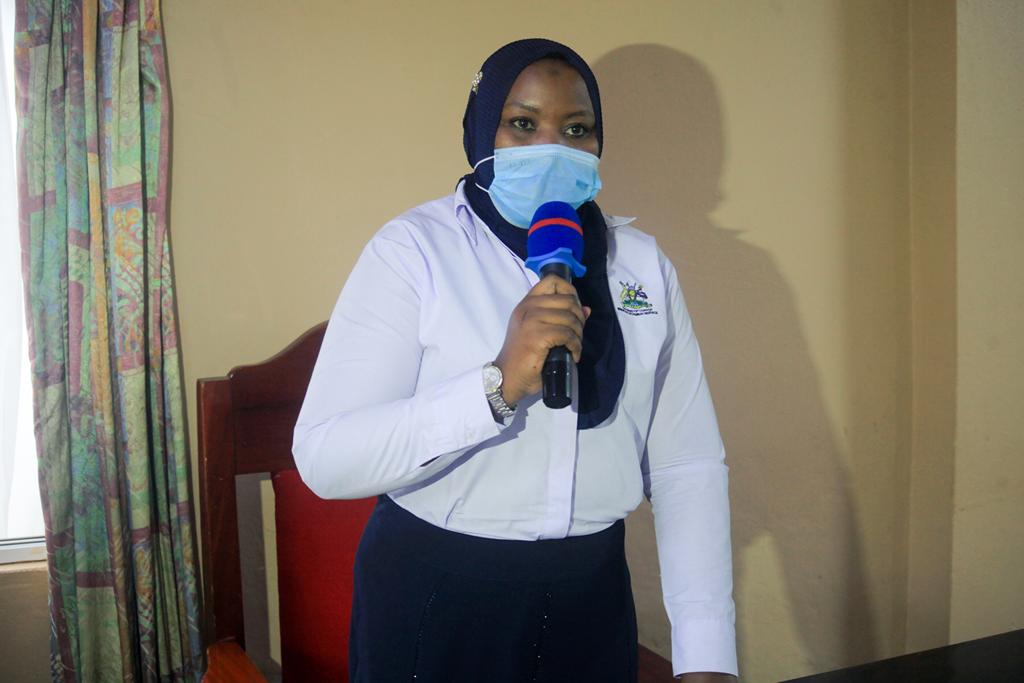

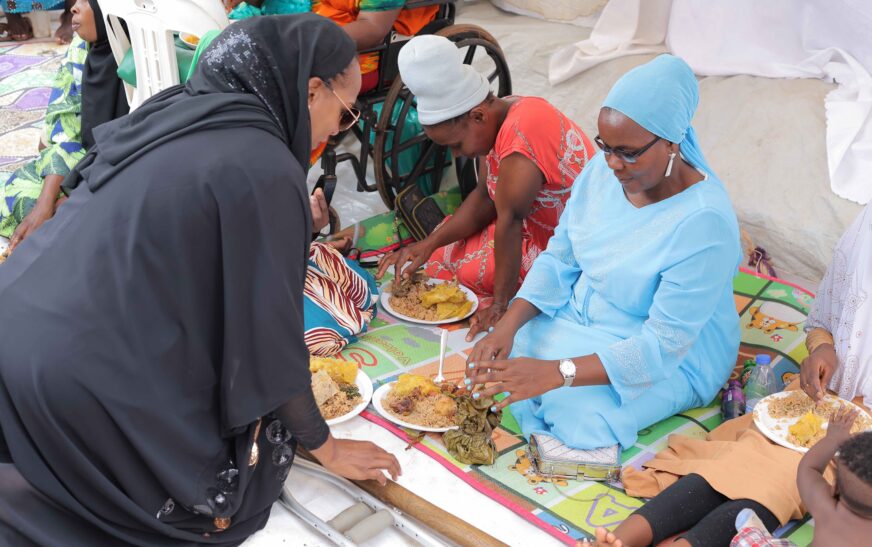
A renewed push for dignity, independence, and equal opportunity for persons with disabilities took centre stage as Fenna Tujjune joined Muslims in Nansana East Zone 2A to mark Eid al-Fitr.
Speaking at the celebration, Founder and CEO Ramonah Sarah Olunda emphasized that the organisation is shifting from advocacy to action, rolling out practical initiatives aimed at enabling persons with disabilities to achieve economic independence.
“We are moving beyond words to tangible solutions,” Olunda said. “Our goal is to empower persons with disabilities to meet their own needs and actively contribute to national development.”
Among the initiatives highlighted were income-generating projects such as the production of hot boxes by mothers with disabilities and the assembly of panda cookers—clean energy stoves used in schools—by men, equipping them with marketable skills and sustainable livelihoods.
Olunda noted that these efforts are designed to dismantle long-held stereotypes that portray persons with disabilities as dependent.
“Many are skilled and capable, yet society often views them through the lens of charity. We are working to change that by creating real economic opportunities,” she said.
The Eid gathering also marked the culmination of a month-long Ramadan outreach, during which the organisation supported at least 130 beneficiaries with meals.
“Celebrating together today is deeply meaningful. We’ve walked this journey with them throughout Ramadan,” she added.
Despite the progress, Olunda acknowledged funding limitations that continue to constrain the organisation’s reach. She called for stronger collaboration with government, development partners, and the Muslim community to expand support and unify beneficiaries from areas such as Katanga and Kalerwe.
She also highlighted persistent structural challenges, particularly limited accessibility in informal settlements. Many persons with disabilities, she said, struggle to access basic services due to poor infrastructure and lack of mobility aids.
“Some cannot reach the main road, while others lack wheelchairs and are forced to crawl. Even health facilities remain inaccessible, especially for those who depend on sign language but cannot find interpreters,” she said.

Olunda further raised concern over the high cost of assistive devices, attributing it to taxation policies that make essential items like wheelchairs unaffordable.
“These are basic necessities, not luxuries. Government should consider reducing taxes to improve access,” she urged.
She also encouraged persons with disabilities to take an active role in their own empowerment.
“Step out, claim your space, and show what you can do,” she said, discouraging dependency and promoting self-belief.
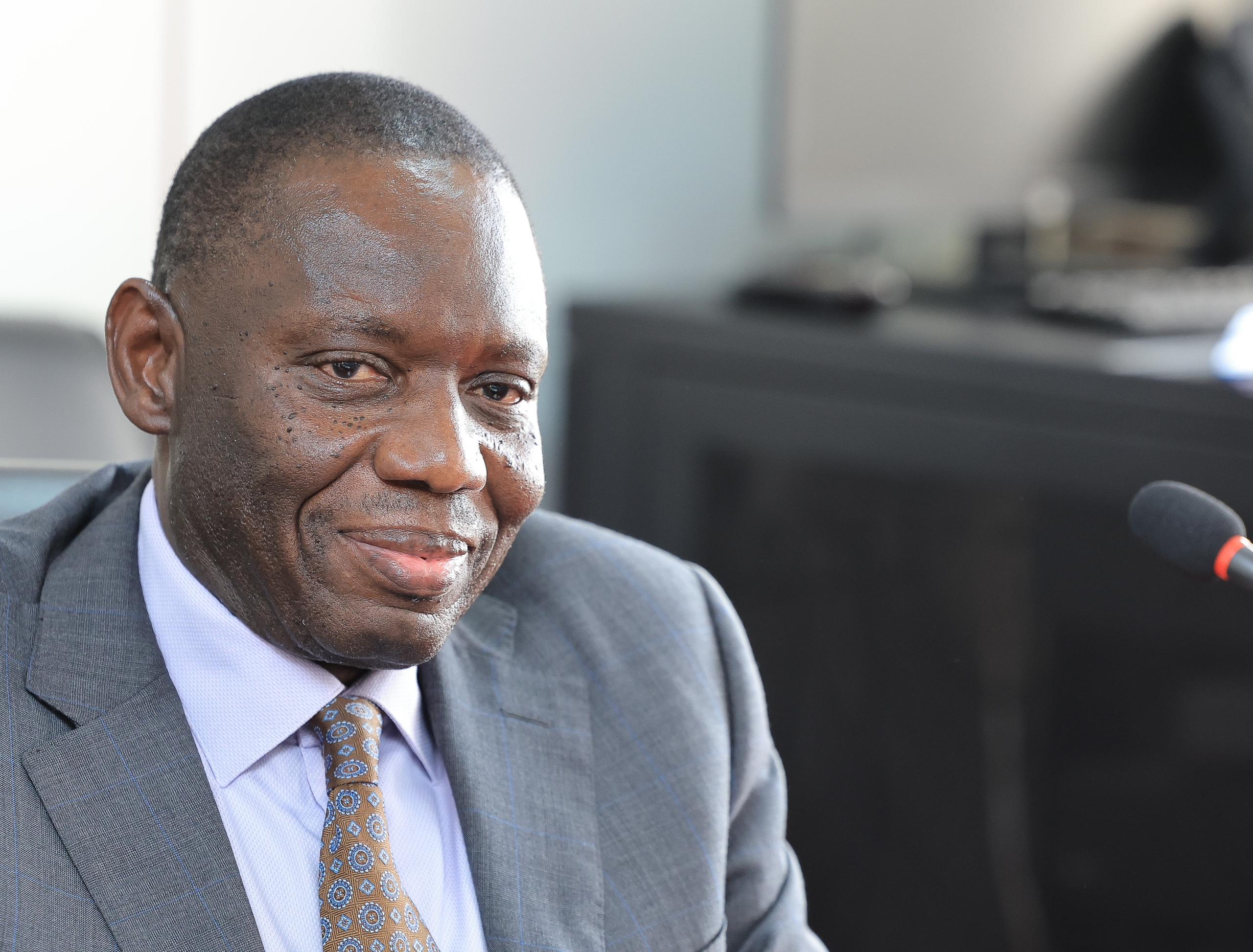
Guest of honour Robert Sewagudde praised Fenna Tujjune for its grassroots impact, noting that such initiatives restore dignity and hope among vulnerable communities.
He highlighted ongoing challenges in education and employment, pointing out that many children with disabilities are still excluded from school, while those who succeed academically often face discrimination in the job market.
“With equal opportunities, persons with disabilities can significantly contribute to national development,” Sewagudde said, urging employers to embrace inclusive hiring practices, especially in today’s digital economy.
As the event drew to a close, speakers underscored the need for collective action to break barriers and ensure full inclusion of persons with disabilities in Uganda’s social and economic life.