
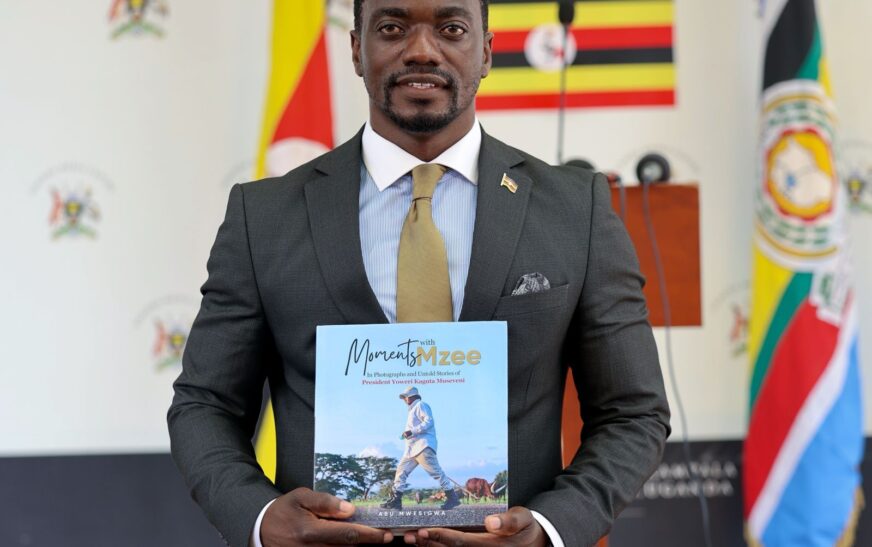
As anticipation builds around the launch of Moments with Mzee, a new publication by photographer Abu Mwesigwa, government officials are using the moment to restate the National Resistance Movement’s (NRM) account of Uganda’s political journey over the last four decades.
The book, which blends photography and narrative, is expected to document key moments from Uganda’s post-1986 leadership, with a strong focus on the public and political life of President Yoweri Museveni and other senior figures.
Beyond its visual appeal, the upcoming release has stirred discussion in political and media circles, as it coincides with renewed messaging from government on the NRM’s record in power.
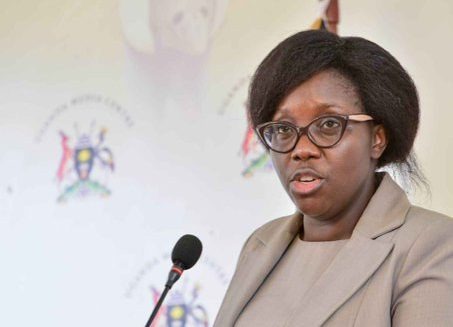
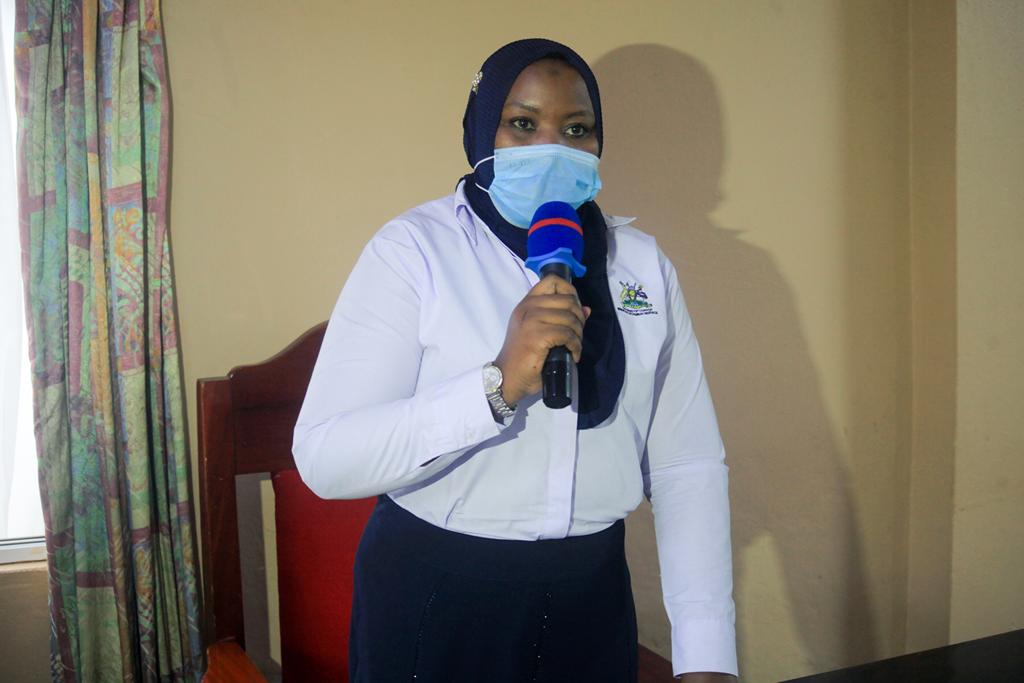
Speaking at a pre-launch engagement, State Minister for the Presidency Milly Babalanda framed the publication within what she described as a broader story of transformation under the NRM since it took power in 1986.
She argued that the period has been defined by relative peace and political stability, positioning it as a departure from earlier cycles of conflict. According to Babalanda, this stability has been anchored on a governance approach that prioritises economic activity, service delivery and national cohesion.
“The NRM has been able to preserve peace for 40 years,” she said, attributing this to a focus on shared national interests rather than divisions rooted in identity and sectarianism.

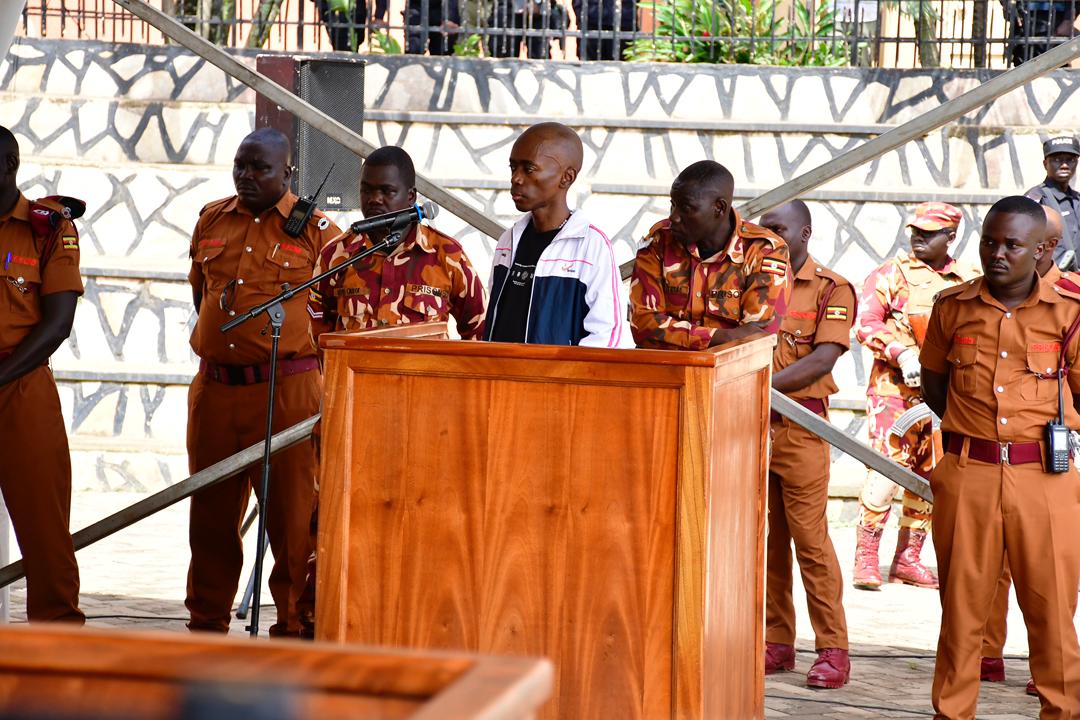
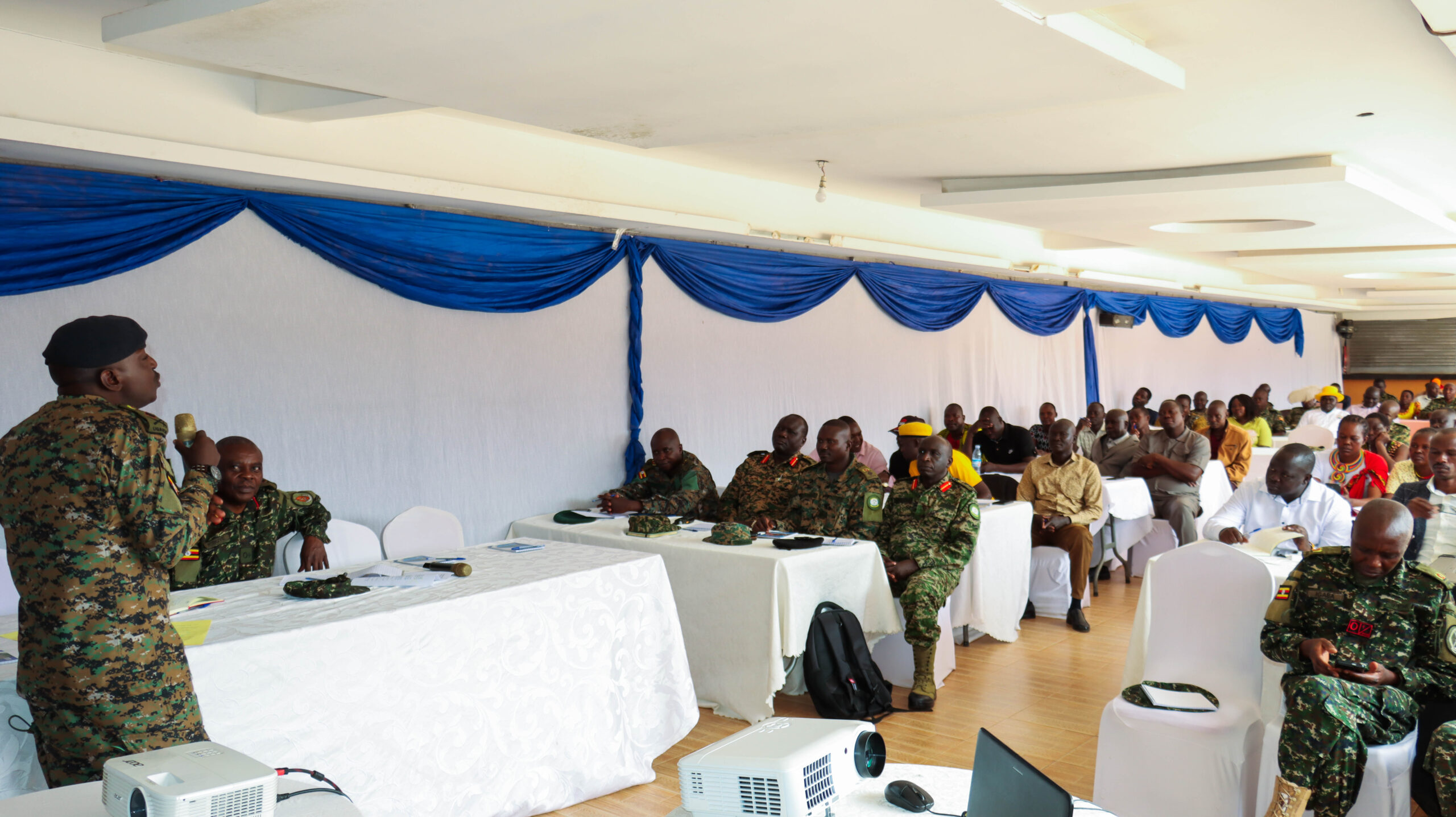
Babalanda also pointed to the evolution of key state institutions, including the Uganda Peoples’ Defence Forces, the Uganda Police Force and the Uganda Prisons Service, describing them as central to maintaining order and supporting national development programmes.
The Moments with Mzee project is expected to offer a curated visual archive of official events, state functions and behind the scenes moments that have shaped Uganda’s leadership landscape. Sources familiar with the publication say it combines imagery with reflective commentary to present a layered account of the country’s political evolution.
The launch, which is yet to be formally scheduled, is likely to draw a cross section of government officials, political actors, media practitioners and members of the public interested in Uganda’s recent history.
Coming at a time when questions of governance, institutional strength and national unity remain prominent in public discourse, the publication adds a visual dimension to ongoing conversations about the NRM’s legacy and Uganda’s post-1986 trajectory.