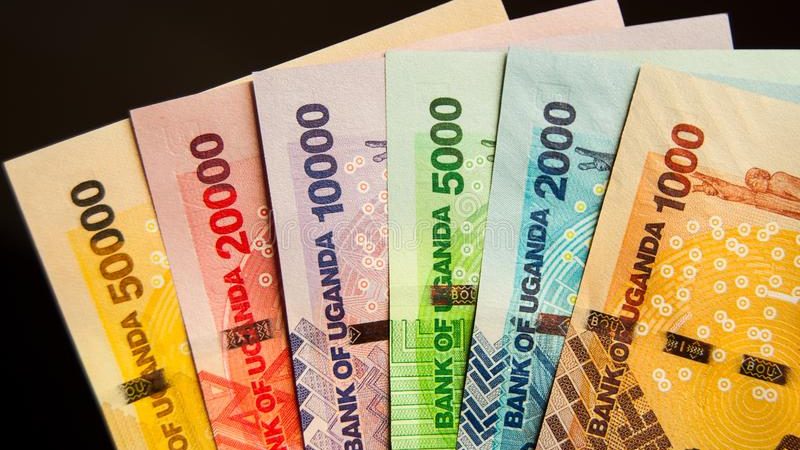

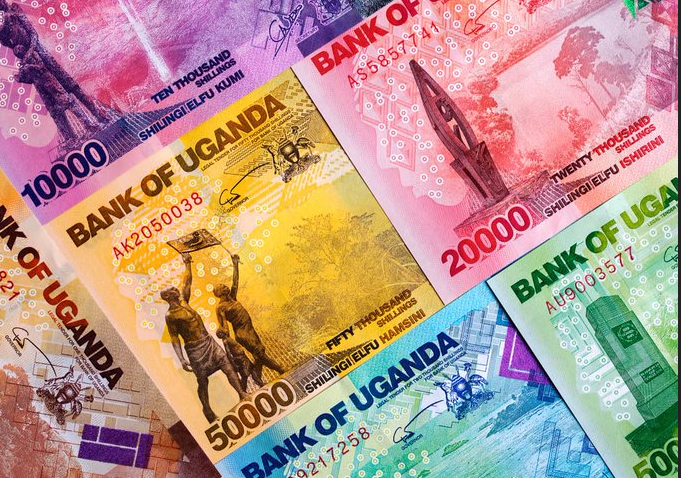
The Uganda shilling opened the month weaker, trading at 3,740/3,750 against the U.S. dollar, compared to 3,715/3,725 at the start of the previous week. The depreciation is attributed to heightened demand for hard currency from energy, manufacturing, and telecommunications sectors, despite inflows from remittances and selective portfolio investors.
Richard Nsubuga, Ag. Head of Trading at CIB Markets, Absa Bank Uganda, explained, “The shilling is under pressure due to a combination of strong corporate dollar demand and risk-off sentiment globally, particularly from ongoing tensions in the Middle East. We have already seen a 3.4% depreciation year-to-date, and the currency is likely to trade within a broad 3,680–3,800 range in the near term.”
Money markets remained relatively liquid last week, supported by month-end government releases. Overnight and one-week rates averaged 9.79% and 10.39%, respectively. Nsubuga noted that the Bank of Uganda is expected to conduct a Treasury bill auction on Wednesday, April 8, which could influence short-term liquidity dynamics.
Meanwhile, the Kenya shilling remained range-bound around the 130 mark to the dollar, closing the week at 129.95/130.15. “Activity is subdued at the start of the month, and while central bank interventions continue to provide support, sustained corporate demand could see further weakening in the near term,” Nsubuga said.
The U.S. dollar rebounded on Thursday, with the dollar index climbing above 100, buoyed by risk-averse market sentiment. Gains followed comments from U.S. President Donald Trump regarding the conflict with Iran. Trump stated that Washington’s “core strategic objectives” in Iran were near completion but warned of possible further strikes, including potential attacks on civilian infrastructure if no agreement is reached.
The conflict has also affected oil markets. Brent crude futures surged by $6.84, or 6.8%, to $108 per barrel, while U.S. West Texas Intermediate rose $6.40, or 6.4%, to $106.52 per barrel on Friday. “Oil prices have jumped more than 50% since the conflict began, reflecting heightened fears of supply disruptions,” Nsubuga added.
Iran, however, indicated readiness to negotiate agreements with European, Asian, and Arab nations regarding the Strait of Hormuz, according to LSEG News.The Uganda shilling opened the month on a weaker footing, trading at 3740/3750 against the US dollar, compared to the previous week’s opening of 3715/3725, as demand for hard currency continued to outweigh supply.
The depreciation was largely driven by increased dollar demand from key sectors including energy, manufacturing, and telecommunications, despite steady inflows from remittances and selective portfolio investors. Year-to-date, the local unit has weakened by approximately 3.4%, reflecting broader global risk-off sentiment triggered by ongoing tensions in the Middle East.
Looking ahead, the shilling is expected to trade within a wide range of 3680–3800, as uncertainty in the external environment persists.
Money markets remained relatively liquid during the week, supported by month-end government releases. Overnight and one-week lending rates averaged 9.79% and 10.39%, respectively. The Bank of Uganda is scheduled to return to the domestic market with a Treasury bill auction on Wednesday, April 8.

“The shilling is likely to remain under pressure in the near term, mainly due to sustained corporate demand for dollars and external geopolitical risks that continue to drive cautious investor sentiment,” said Richard Nsubuga, Acting Head of Trading, CIB Markets at Absa Bank Uganda.
Regionally, the Kenyan shilling traded within a narrow range around the 130 mark against the dollar, closing the week at 129.95/130.15. Activity remained subdued at the start of the month, with the currency supported by central bank interventions, although persistent corporate demand continues to pose downside risks.
Globally, the US dollar rebounded strongly, with the dollar index climbing back above the 100 level, supported by heightened risk aversion. The gains followed remarks by US President Donald Trump, which dampened expectations of a swift resolution to tensions with Iran. His comments signaled potential escalation, including the possibility of further strikes, raising concerns among investors.
Meanwhile, Iran indicated willingness to engage in agreements with European, Asian, and Arab nations regarding the use of the Strait of Hormuz, according to international reports.
In currency markets, the euro eased toward $1.15, while the British pound fell below 1.3200, hovering near its lowest level since late November, as investor caution intensified.
Commodity markets also reacted sharply. Gold prices declined by more than 4% to approximately $4,580 per ounce, snapping a four-session rally as the stronger dollar weighed on the precious metal.
Oil prices, however, surged nearly 7% amid fears of prolonged supply disruptions. Brent crude rose to $108 per barrel, while US West Texas Intermediate climbed to $106.52 per barrel. Oil has now gained more than 50% since the onset of the Middle East conflict, underscoring growing concerns over global energy supply stability.