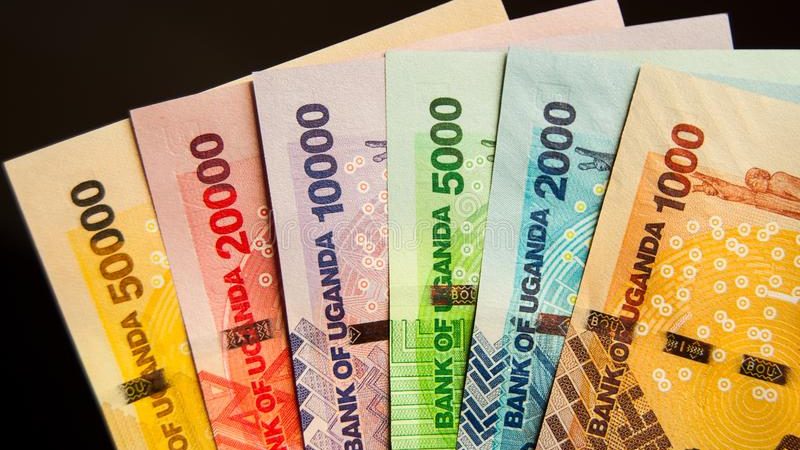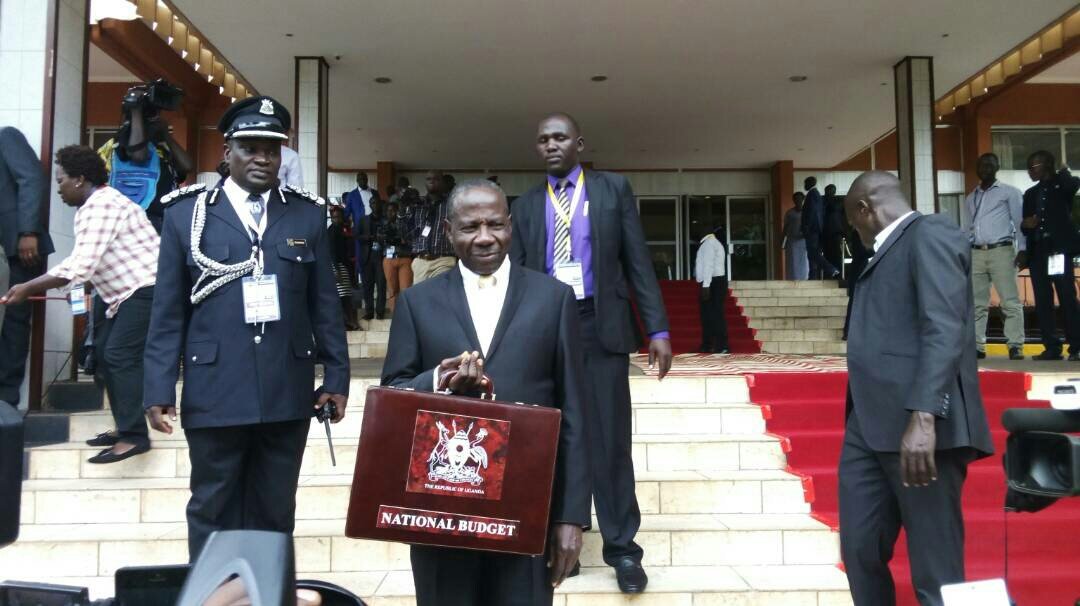

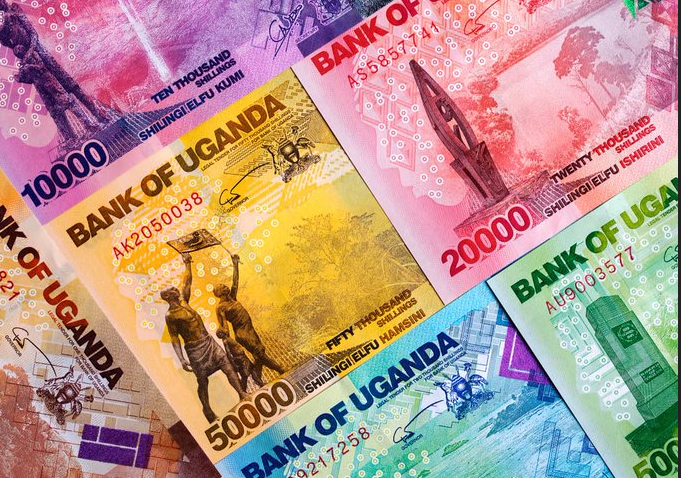
The local currency recorded gains over the week, supported by improved investor sentiment following geopolitical developments in the Middle East, where a fragile two-week ceasefire was agreed. The shilling traded firmer on Friday morning at 3695/3705, strengthening from the week’s opening levels of 3740/3750.
Market activity remained subdued, with interbank selling pressure dominating amid weak corporate demand for the U.S. dollar. In the near term, the shilling is expected to trade within a 3,660–3,800 range. Year-to-date, the local unit has depreciated by approximately 2%, largely reflecting broader global risk-off sentiment driven by persistent geopolitical tensions. Looking ahead, the shilling is expected to remain within a wide 3,650–3,800 band amid continued external uncertainty.
“Improved global risk sentiment, particularly following the temporary ceasefire in the Middle East, has provided short-term support to the shilling, although underlying external risks remain,” said Richard Nsubuga, Acting Head of Trading, CIB Markets at Absa Bank Uganda.
Money markets remained comfortably liquid throughout the week, supported by recent government inflows. Overnight and one-week rates averaged 9.79% and 10.39%, respectively.
At last Wednesday’s Treasury bill auction, yields across all tenors cleared lower compared to the previous sale, closing at 10.002% for the 91-day, 11.001% for the 182-day, and 12.249% for the 364-day instruments. The Bank of Uganda accepted UGX 332.759 billion in face value, representing approximately 93.73% of the amount on offer, with a notable under-allocation in the 182-day tenor.
Following the auction, renewed investor interest has emerged across the yield curve from both domestic and foreign participants, supported by easing geopolitical tensions. The Bank of Uganda is scheduled to return to the domestic market with a Treasury bond auction on Wednesday, 15 April.
In the region, the Kenya shilling also strengthened over the week, closing Friday’s session at 129.00/129.25, firmer than the opening level of 130.05/130.25 against the dollar. The appreciation was driven by improved global sentiment following the announcement of the two-week ceasefire in the Middle East. Dollar demand remained muted, with buyers largely on the sidelines, while sellers moved early to take advantage of the downward momentum. Meanwhile, the Central Bank of Kenya maintained its policy rate at 8.75%, citing the need to keep inflation expectations firmly anchored while monitoring potential second-round effects from higher oil prices.

Brent crude futures climbed above USD 96 per barrel on Friday following Israeli strikes on Lebanon and continued disruption around the Strait of Hormuz, which weighed on diplomatic efforts. However, prices were still on course for a weekly decline of more than 10% after the United States and Iran agreed to a two-week ceasefire. Israeli Prime Minister Benjamin Netanyahu stated that operations in Lebanon fall outside the scope of the US-Iran truce, although Washington has scheduled talks next week with Israel and Lebanon to pursue broader ceasefire discussions. Saudi Arabia also reported a reduction in oil production capacity of roughly 600,000 barrels per day following attacks on energy infrastructure.
The dollar index hovered near the 99 level by Friday morning. The easing of geopolitical tensions and the resulting decline in oil prices reduced concerns over renewed inflationary pressures and potential interest rate hikes. Investor focus has now shifted to diplomatic talks scheduled for this weekend in Islamabad, where U.S. Vice President JD Vance is expected to lead discussions with Iranian officials. Minutes from the Federal Open Market Committee’s March meeting showed that policymakers remain cautious, noting that the conflict could sustain inflation pressures and potentially necessitate further tightening, although one rate cut is still expected later in the year.
The euro traded around the USD 1.17 level as markets continued to assess the fragility of the ceasefire between the United States and Iran. Against this backdrop, expectations for further policy tightening in the euro area have increased, with markets now pricing in at least two additional European Central Bank rate hikes by the end of 2026.
Gold prices held above USD 4,700 per ounce on Friday morning, remaining on track for a third consecutive weekly gain. The precious metal benefited from a softer U.S. dollar and easing inflation concerns following the decline in oil prices, maintaining its appeal as a hedge amid lingering geopolitical uncertainty.