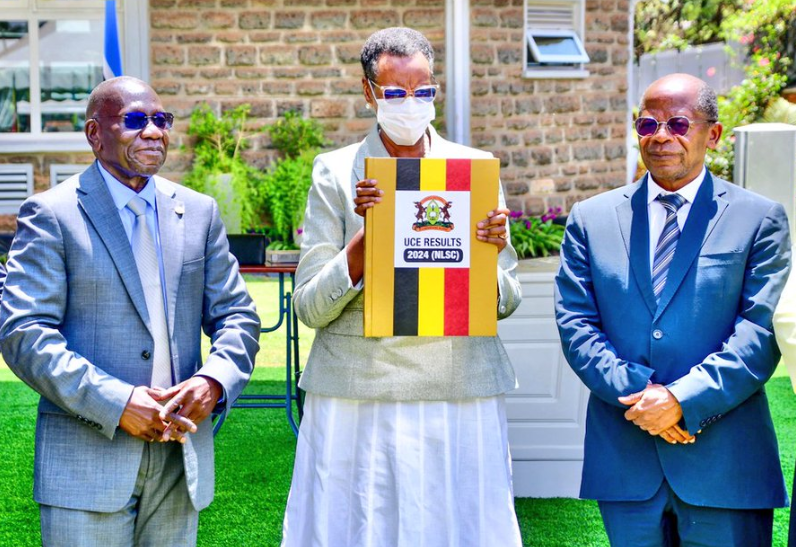

The release of this year’s Uganda Advanced Certificate of Education (UACE) results has spotlighted not only national academic performance but also the growing influence of non-profit education providers in improving outcomes in some of the country’s most underserved communities.
Success stories emerging from schools run by Promoting Equality in African Schools (PEAS) illustrate how targeted interventions and flexible school policies are helping transform lives in rural Uganda.
From subsistence farming to academic success
For 20-year-old Racheal Kisakye, a simple phone call from her headteacher at around 3:00 p.m. changed everything.
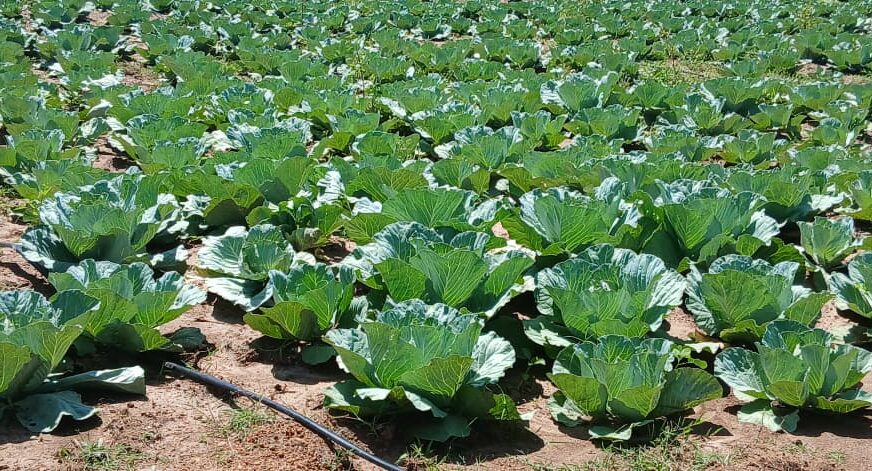
Kisakye, a native of Namutumba district, had been working in her family garden growing maize, cassava, and groundnuts—produce her parents often used to offset her school fees. When the results were released, she had scored 19 points in History, Economics, and Divinity/ICT (HED/IT) at Upwards and Onwards PEAS High School.
“It feels like a dream,” Kisakye said. “I have already imagined myself balancing and auditing organisations’ books of accounts.”
She now hopes to train as a Certified Public Accountant.
Her parents, who are raising 12 children, say the school’s willingness to accept in-kind contributions such as food made it possible for them to keep their children in school. Kisakye is the first in her family to complete senior six.
Resilience amid hardship
In Kyenjojo district, another story reflects resilience in the face of adversity.
Twenty-five-year-old Samuel Twesigyeruhanga scored 12 points in Physics, Chemistry, and Mathematics/ICT (PCM/IT), despite balancing his studies with caring for his widowed mother, who is battling kidney failure.
An orphan, Twesigyeruhanga benefited from full boarding, meals, and mentorship at Tooro PEAS High School in Kabarole, which allowed him to remain in school.
“I want to become a secondary school science teacher specializing in mathematics and physics,” he said, “and give back to the same community that supported me.”
Beyond the classroom
PEAS is among a growing number of non-governmental organisations running secondary schools in hard-to-reach areas, where access to quality education remains limited.
These schools provide more than academic instruction, offering teacher training, learning materials, psychosocial support, and continuous monitoring of student progress.
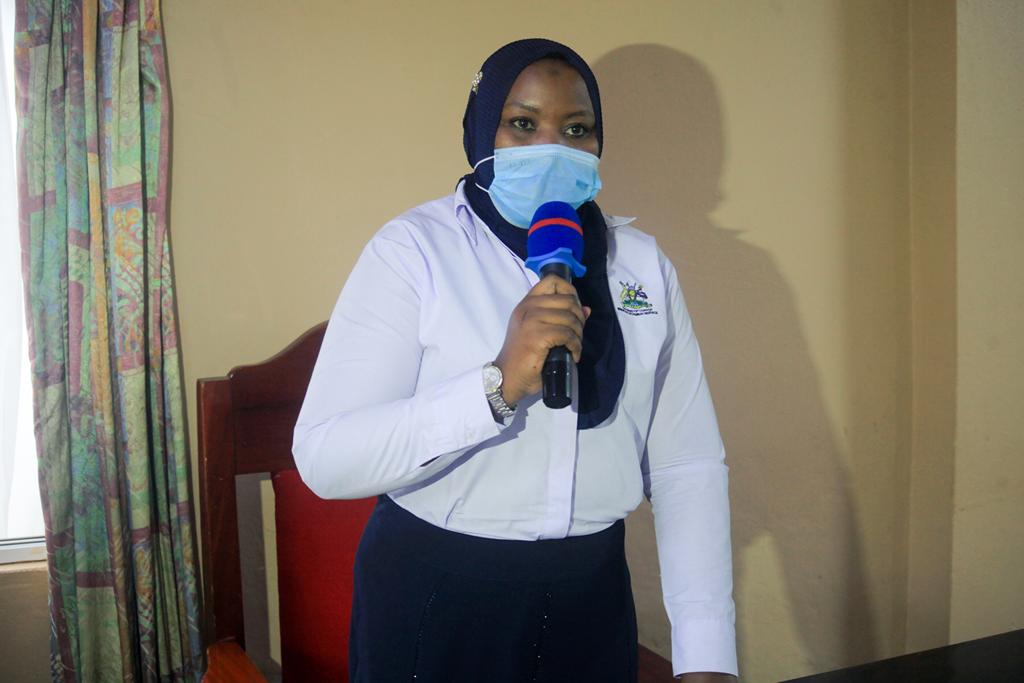
According to Unia Nakityo, Head of School Network at PEAS Uganda, the organisation operates 30 secondary schools, eight of which serve as UACE examination centres.
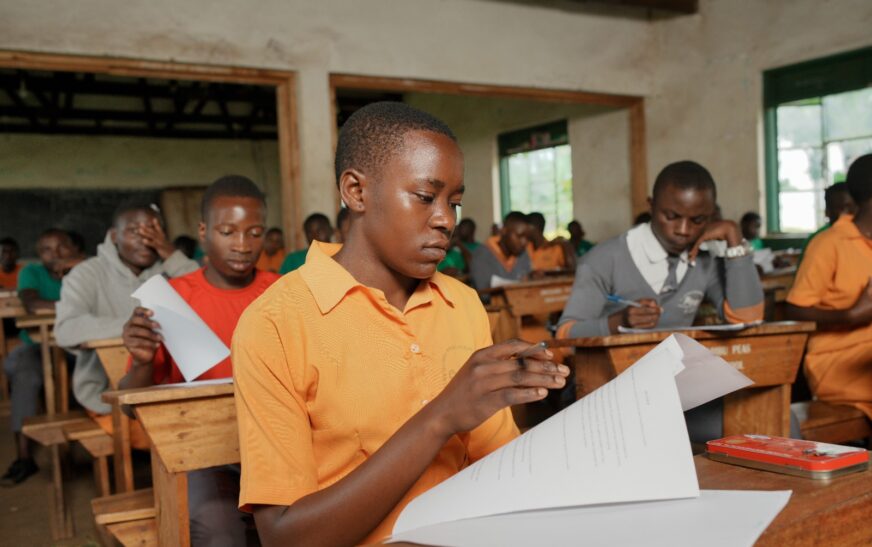
“This year, 339 candidates sat for exams in PEAS centres, and 75.8 percent attained at least two principal passes—the minimum requirement for university admission,” Nakityo said.

She attributes the performance to strong school leadership, continuous professional development for teachers, and targeted learner support aligned with the ongoing curriculum reforms.
“Our mission is to ensure every child can access quality education, regardless of their background or community,” she added.
Bridging the rural–urban gap
Education experts say NGO-led interventions are playing a critical role in narrowing disparities between urban and rural schools.
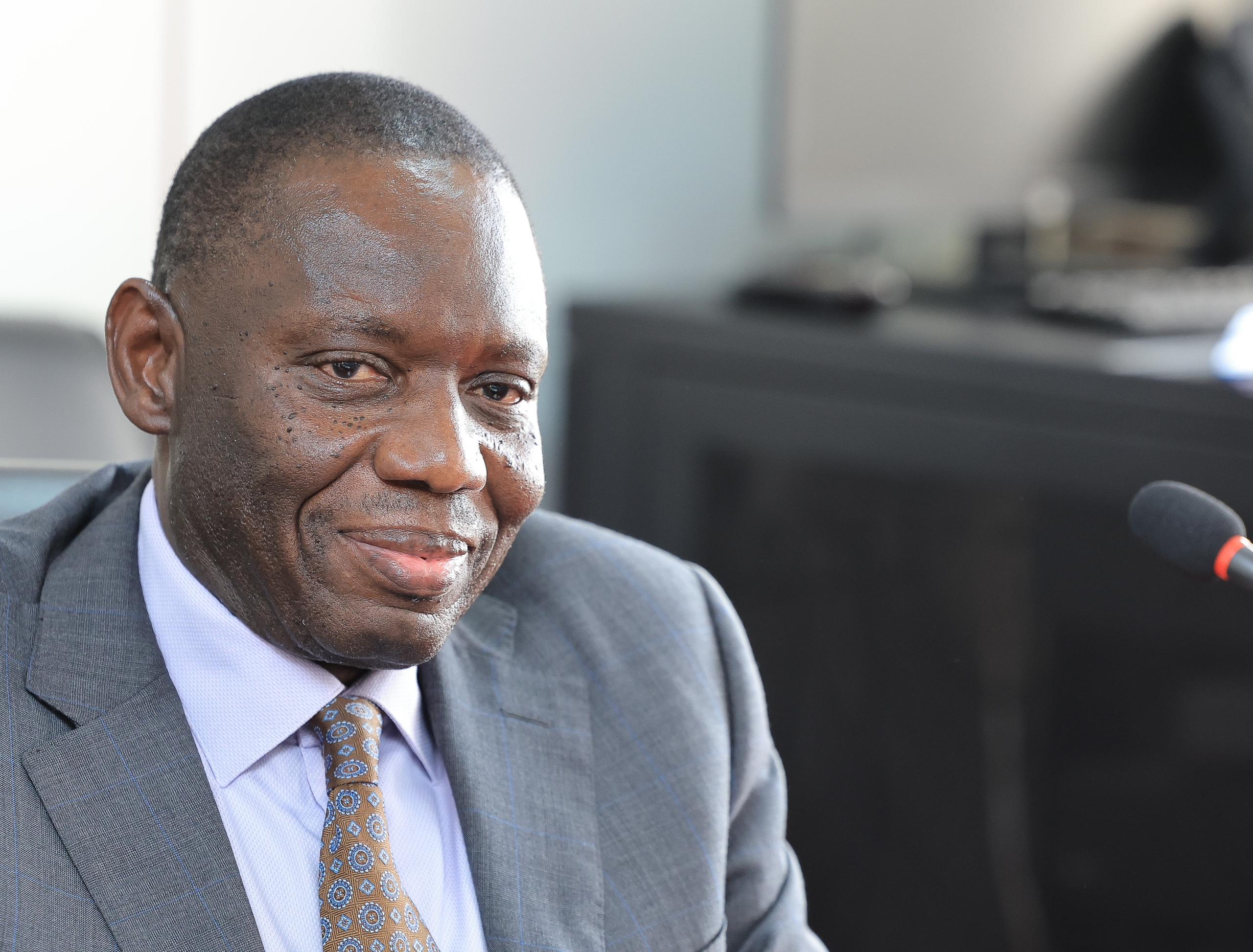
Speaking at Makerere University, Anthony Mugagga, Principal of the College of Education and External Studies, noted that such initiatives are essential in stabilising learning, particularly during periods of curriculum transition.
“NGOs bring adaptive teaching methods and strong community engagement, which are key in improving learning outcomes,” Mugagga said.
He added that while NGOs cannot substitute for sustained government investment, their models offer valuable lessons that can be scaled to improve access and quality nationwide.
Adapting to curriculum reforms
The latest UACE results come at a critical moment, as Uganda transitions from the old curriculum to a competence-based system.
This cohort represents the last group to be examined under the outgoing framework, making the role of support systems even more significant.
NGO-run schools, experts say, have been instrumental in helping both learners and teachers navigate the shift from UCE to UACE by providing tailored academic support and community-based interventions.
Looking ahead
As celebrations continue across the country, education stakeholders are urging sustained support for both learners and educators to ensure future cohorts fully benefit from ongoing reforms.
For students like Kisakye and Twesigyeruhanga, the results represent more than academic achievement—they are a testament to resilience, opportunity, and the transformative power of education.
And for NGOs operating in Uganda’s most remote regions, they are proof that targeted, inclusive interventions can bridge long-standing gaps and unlock potential where it is needed most.