
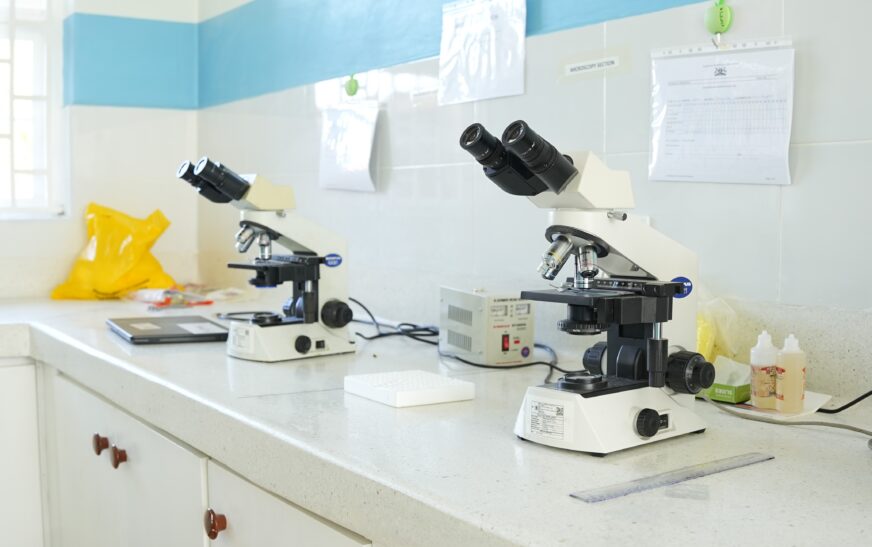
A newly constructed and upgraded laboratory has been commissioned at Kaabong General Hospital in the Karamoja sub-region, in a move expected to strengthen diagnostic services and disease surveillance.
The facility, funded by the U.S. Department of State at a cost of approximately $400,000, is expected to improve detection and response to infectious diseases, including HIV, tuberculosis, and malaria, as well as maternal and newborn health conditions.
The he upgrade will also enhance surveillance and response systems across Kaabong and neighbouring Karenga district.
With existing equipment, the laboratory currently conducts about 62,000 tests annually across multiple disciplines, including hematology, immunology, molecular testing, parasitology, serology, microbiology, and clinical chemistry.
The facility is equipped with specialised diagnostic technologies such as GeneXpert systems for tuberculosis testing and PIMA platforms for viral load and CD4 count analysis.
The new building provides expanded space for equipment and future upgrades, allowing for increased testing capacity and faster turnaround times.
Construction was undertaken through the Uganda Health Activity in partnership with the Ministry of Health Uganda.
Stakeholders emphasised the importance of sustaining the facility through continued support and funding.

Authorities called on the Ministry of Health and Kaabong District Local Government to allocate resources for maintenance, utilities, and operational needs through routine budget mechanisms.
While the ministry is expected to provide technical oversight, district authorities will manage day-to-day operations to ensure uninterrupted service delivery.
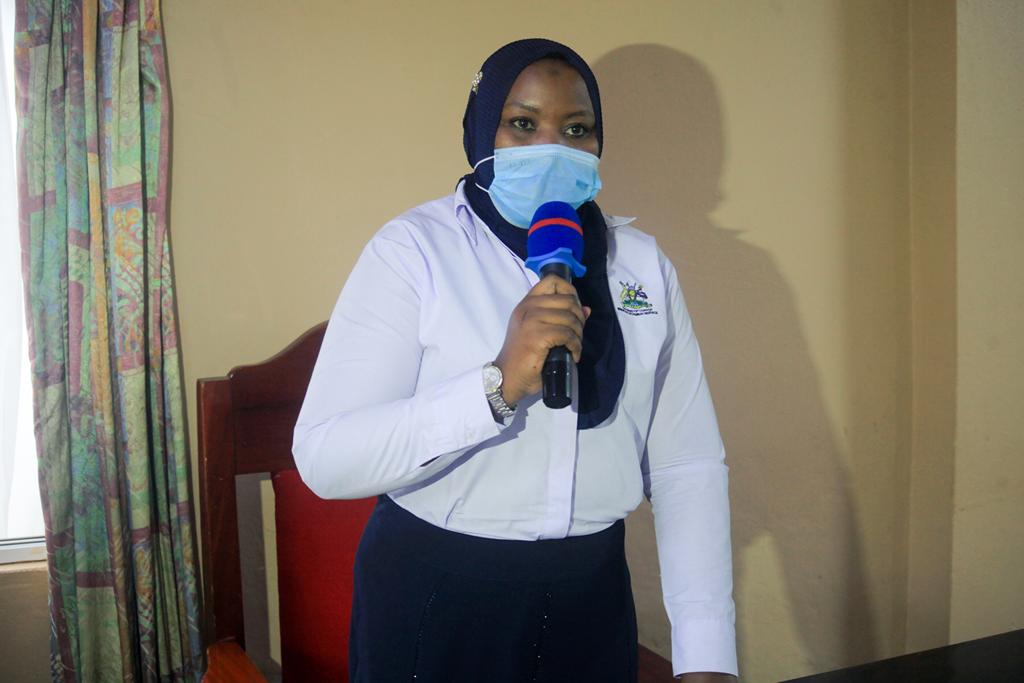
Speaking at the commissioning, Mary Borgman, Global Health Diplomacy Director at the U.S. Embassy in Uganda, said the investment reflects efforts to strengthen health systems and improve early detection of disease outbreaks.
“This laboratory is a demonstration of continued commitment to strengthening health systems, advancing early detection, and supporting locally led solutions,” she said.
Health experts say investments in frontline laboratories are critical for early detection and containment of infectious diseases, particularly in underserved regions such as Karamoja.
The Kaabong facility is expected to play a key role in improving access to diagnostic services and supporting timely medical interventions in the region.