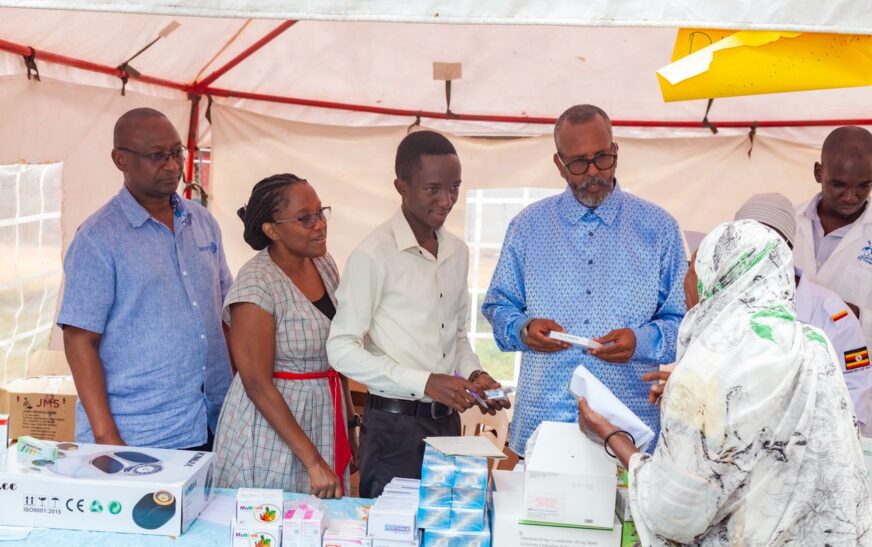

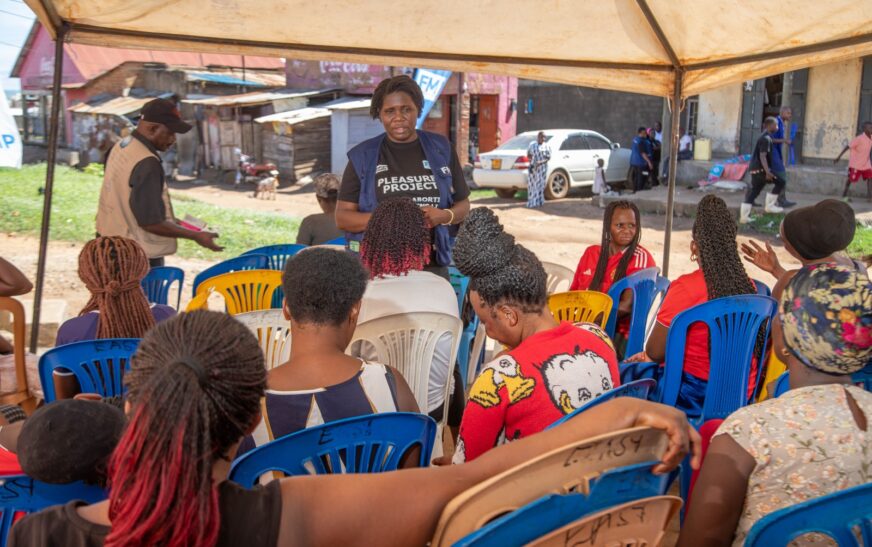
More than 500 residents at Kigungu Landing Site have accessed sexual and reproductive health and rights (SRHR) services as health workers step up efforts to address rising HIV infections in Uganda’s high-risk fishing communities.
The outreach, conducted by Family Medical Point, offered free HIV testing, counselling, treatment and care services, including linkage to health facilities, management of opportunistic infections and targeted support for vulnerable groups.
Kigungu Landing Site, located behind Entebbe International Airport, is home to more than 70,000 people and serves as a busy transit hub, with over 1,000 passengers passing through daily en route to islands on Lake Victoria and nearby urban centres.
Despite its strategic location, access to reproductive health services remains limited. Health workers say persistent shortages of condoms and gaps in community education continue to drive new infections and unsafe abortions, with at least five cases reported every month.
According to UNAIDS (2024), about 40.8 million people are living with HIV globally, with sub-Saharan Africa accounting for the majority of cases and 61 per cent of AIDS-related deaths recorded last year.
In Uganda, the Uganda AIDS Commission estimates that 1.49 million people are living with HIV, with a national prevalence rate of 5.1 per cent. In 2023 alone, the country registered 38,000 new infections and 20,000 AIDS-related deaths, with young women and adolescent girls among the most affected.
Health experts say fishing communities remain among the most vulnerable, with HIV prevalence among sex workers estimated at 37 per cent significantly higher than the national average.
A Uganda AIDS Commission study estimates that Kigungu and surrounding landing sites host about 1,500 sex workers, many of whom face stigma and discrimination that limit their access to health services.
Mr Kayidali Medie, a councillor at Kigungu Landing Site, said HIV cases remain high, partly due to the mobility of residents.
“We have about 600 people on HIV treatment here, and roughly three in every 10 people are living with HIV,” he said.
He noted that frequent movement between landing sites makes it difficult for patients to maintain consistent treatment.
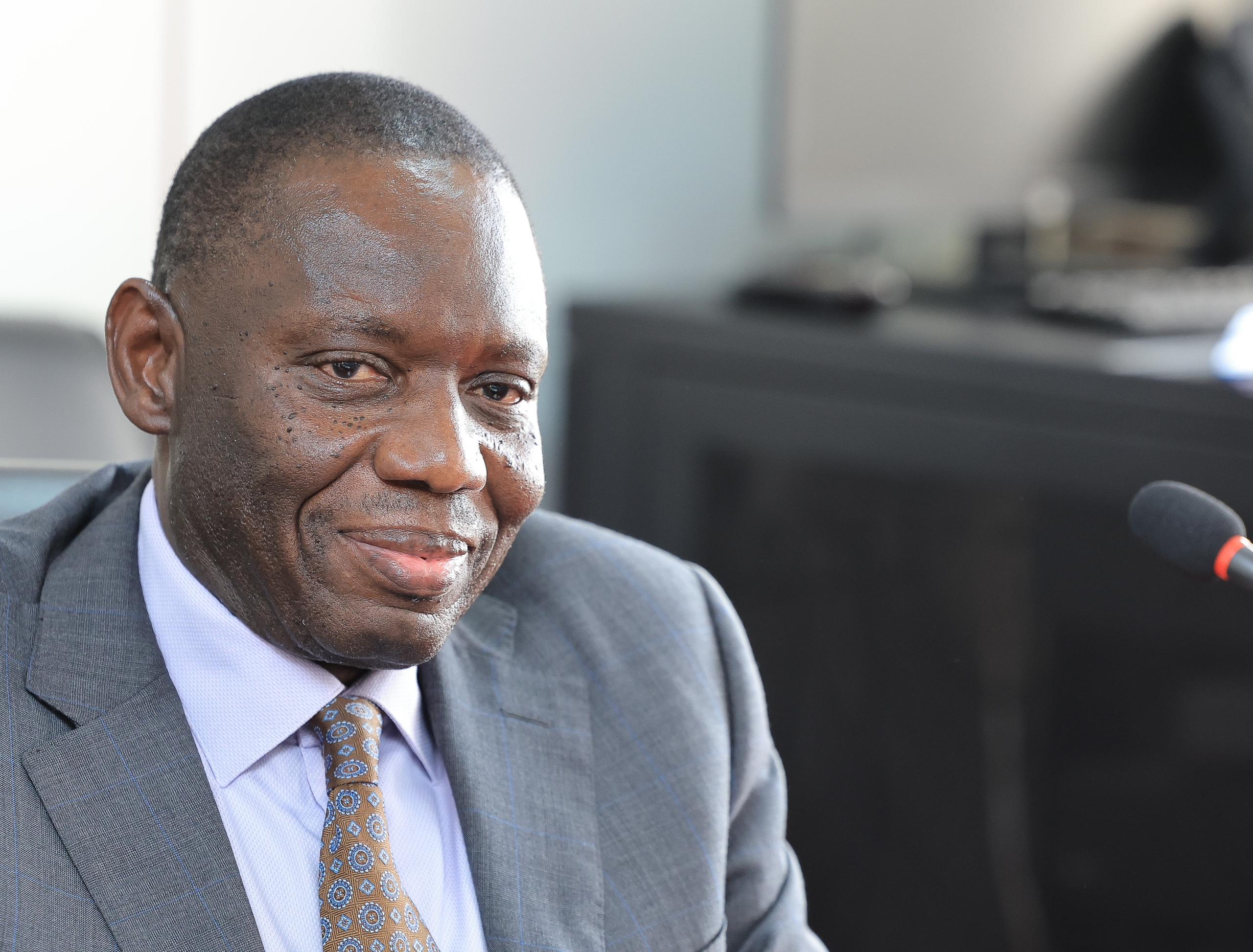
Dr Enock Cedikol of Family Medical Point said Kigungu was prioritised due to the high demand for sexual and reproductive health services in the area.
“This landing site requires more information on family planning, prevention of unsafe abortions and HIV services. We are also seeing rising cases of unsafe abortion linked to misinformation and limited access to services,” he said.
He added that myths around family planning continue to affect uptake.
“Many people still believe family planning is only for married couples or fear side effects. We are working to provide accurate information and promote safer sexual practices,” Dr Cedikol said.

He also highlighted low male involvement in reproductive health programmes, noting that it continues to slow progress in prevention efforts.
“Men’s participation is still low, yet they play a key role in decision-making. We encourage women to share this information with their partners,” he said.
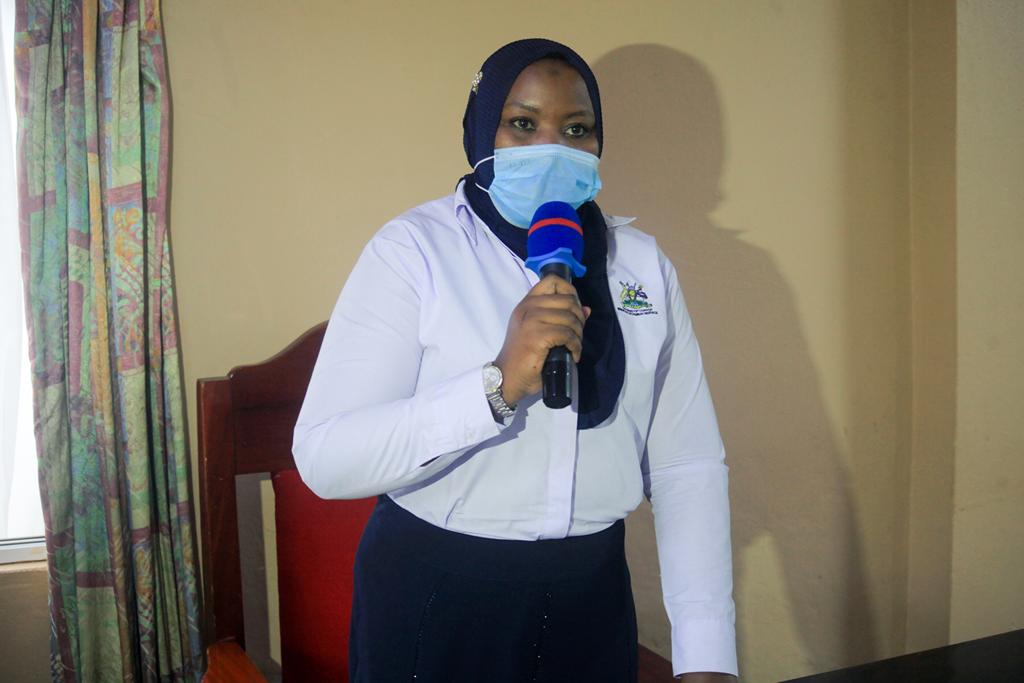
Ms Isabella Amony, team leader at Family Medical Point, said the realities of life at the landing site expose many residents to constant risk.
“Sex doesn’t wait. Every day, people are engaging in sexual activity, often without protection due to lack of access to condoms, contraceptives and information,” she said.
She pointed to persistent stock-outs of condoms, which she said continue to undermine prevention efforts.
“Condoms are frequently out of stock. We need continuous outreach to remind people to protect themselves, not just from unintended pregnancies but also HIV,” Amony said.
She added that many women only seek care after complications from unsafe abortions have already set in.
“We are seeing many clients coming for post-abortion care, which shows unsafe abortions are still happening in the community. Unfortunately, most arrive when complications have already developed,” she said.
Health workers say while increased funding has slightly improved service uptake, significant gaps remain in access to contraceptives, sustained education and community sensitisation.
Kayidali Medie, Councilor at Kigungu landing site said has 600 HIV patients from various areas.Three out of 10 people live with HIV.
“ we encourage people to continue taking their HIV medication to we move towards the 2030 agenda of ending HIV as a public health threat,” he said.
He said there are increased cases of unsafe abortion at the landing site. He alluded it to informational gap about family planning.