
The Government has issued a stern warning to employers, intermediaries, guardians and individuals involved in the exploitation of children, saying those found benefiting from child labour will face legal action as Uganda intensifies efforts to eliminate the vice.
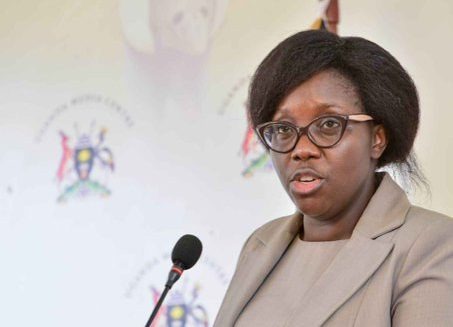
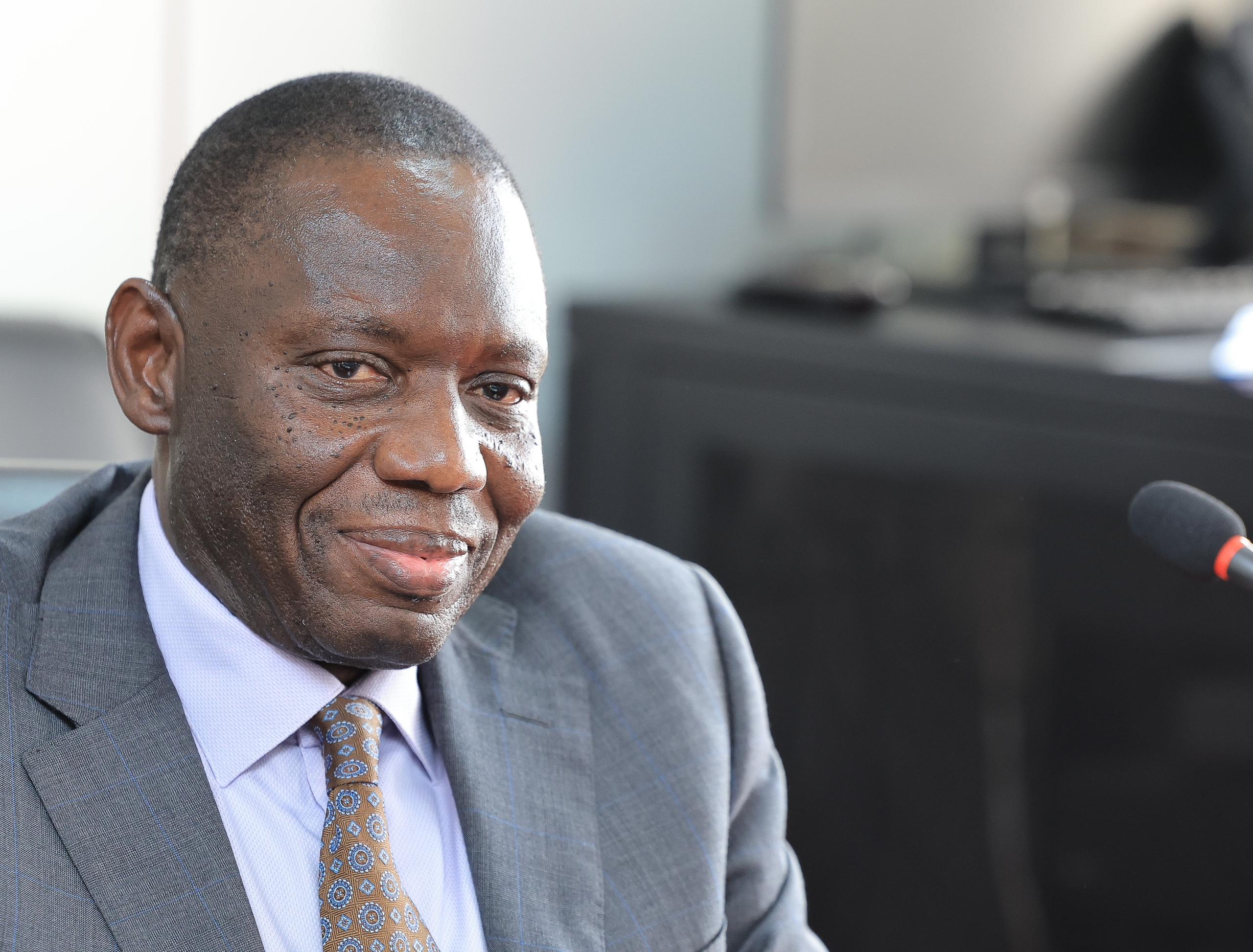
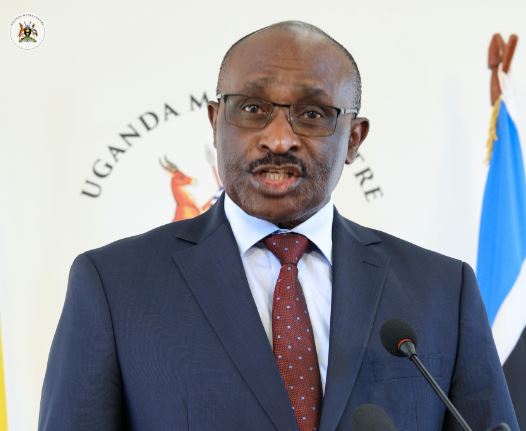
Speaking during a press briefing at the Uganda Media Centre on Thursday ahead of the World Day Against Child Labour commemorations, the State Minister for Labour, Employment and Industrial Relations, Simon Mulongo, said child labour remains a serious challenge despite progress made in strengthening labour inspection and child protection systems.
This year’s commemoration, scheduled for June 12 at Bugadde Primary School in Mayuge district, will be held under the theme: “Accelerating Action to End Child Labour: Dignity and Full Potential of Every Child.”
Mulongo described child labour as work that deprives children of their childhood, dignity, education, health and future opportunities, noting that it remains prevalent in sectors such as agriculture, fishing, mining, domestic work, transport, informal trade and street-based activities.
“Uganda’s development cannot be built on the suffering, exclusion and exploitation of children,” Mulongo said, emphasizing that child labour is not merely a labour issue but also a development, justice and child protection concern.
According to figures cited from the International Labour Organization (ILO) and UNICEF, approximately 160 million children globally were engaged in child labour at the start of 2020, with nearly half involved in hazardous work that threatens their health, safety and development.
The minister said government has strengthened labour inspection systems, trained labour inspectors, and established coordination mechanisms including the National Steering Committee on the Elimination of Child Labour and the National Technical Coordination Committee on Alliance 8.7 to enhance enforcement and accountability.
He noted that programmes such as the Parish Development Model, Emyooga, the GROW Project, the Presidential Initiative on Wealth and Job Creation, the Jua-Kali programme and the National Apprenticeship Programme are helping address poverty and household vulnerability, which are among the leading drivers of child labour.
“When parents and guardians have reliable incomes, children are more likely to remain in school and access basic needs,” he said.
Mulongo expressed concern over the growing number of vulnerable children on the streets of Kampala and other urban centres, many of whom are exposed to organized begging, trafficking, forced labour, abuse and exploitation.

“We must ask difficult questions: Who brings these children to the streets? Who transports them? Who accommodates them? Who deploys them? Who benefits from their suffering?” he said.
The minister revealed that government will strengthen collaboration with local governments, security agencies, probation officers, cultural and religious leaders, development partners and communities to identify and prosecute individuals and networks involved in the exploitation of children.
However, he stressed that children found in exploitative situations should be treated as victims rather than offenders, and should receive rehabilitation, education, psychosocial support and family reintegration services.
Looking ahead, Mulongo said the Ministry of Gender, Labour and Social Development will adopt a more results-oriented approach, focusing on measurable outcomes such as the number of children protected from exploitation, workers safeguarded from abuse, jobs sustained and workplaces made safer.
The ministry also plans to strengthen labour market information systems, improve labour migration governance, enhance occupational safety and health systems, and expand child labour monitoring and response mechanisms.
Mulongo called on employers, workers’ organisations, civil society, parents, religious and cultural leaders, development partners and the media to join efforts to eliminate child labour.
“As we commemorate the World Day Against Child Labour 2026, let us renew our collective commitment to safeguarding the rights, dignity and future of every child,” he said.
The World Day Against Child Labour is observed annually on June 12 to raise awareness and mobilize action against child exploitation and promote children’s rights to education, protection and development.