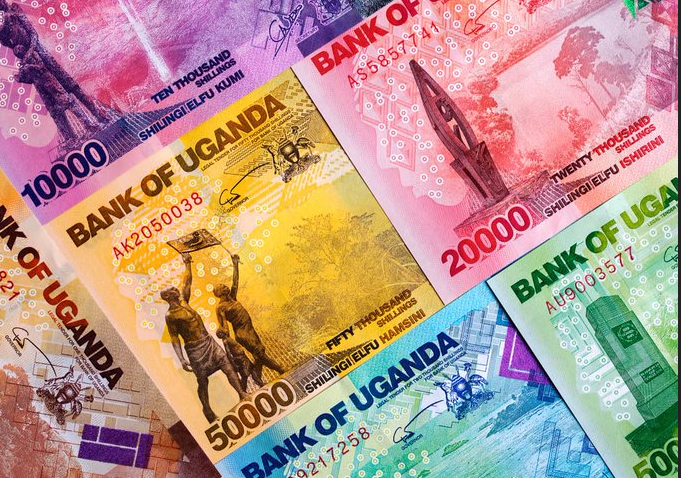

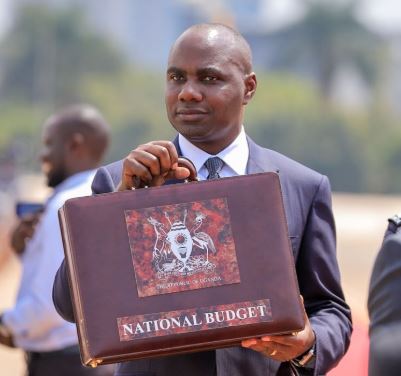
Government has placed environmental protection, disaster preparedness and access to justice at the centre of its Shs 72 trillion 2026/27 national budget, signalling a shift towards sustainability and institutional strengthening even as fiscal pressures continue to mount.
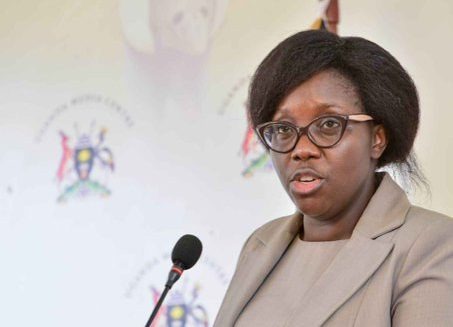
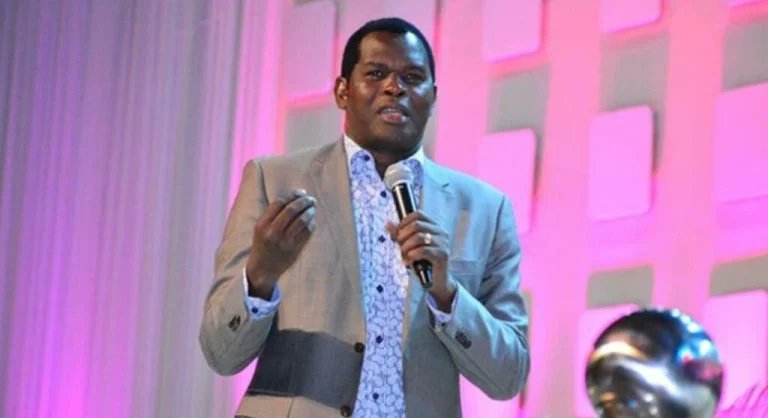
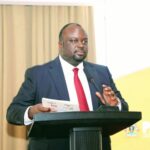
Presenting the budget, Finance Minister Henry Musasizi said the fiscal plan is anchored on accelerating inclusive growth while safeguarding the economy against emerging shocks. “This budget is designed to sustain economic growth, enhance productivity and improve the livelihoods of Ugandans through strategic and efficient public investment,” Musasizi said.
The new financial plan comes at a time when Uganda is pursuing its ambitious tenfold economic growth strategy, with policymakers under pressure to balance wealth creation with climate resilience and macroeconomic stability. At the heart of the budget is an aggressive domestic revenue mobilisation strategy, with government projecting collections of Shs 45.6 trillion—equivalent to 15.9 percent of GDP. According to Musasizi, this marks a deliberate shift towards fiscal independence. “We are focusing on widening the tax base and improving compliance to ensure that Uganda increasingly finances its own development,” he said.
In the previous financial year, domestic sources financed up to 80.9 percent of the discretionary budget, underscoring what officials describe as a gradual transition towards self-reliance. However, borrowing both domestic and external will still play a complementary role in bridging the financing gap and sustaining key development projects.
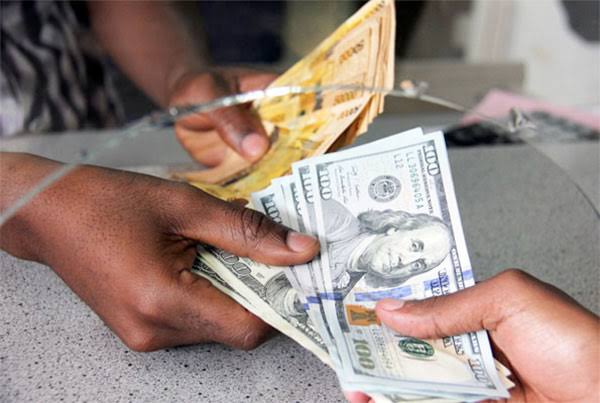
Despite these efforts, the budget is framed against a backdrop of rising public debt. As of December 2025, Uganda’s total public debt stood at USD 34.86 billion (approximately Shs 126.19 trillion), representing about 53 percent of GDP. Musasizi maintained that the country’s debt remains sustainable, noting that most of the borrowing has financed long-term productive investments. “Our borrowing strategy remains prudent and focused on financing infrastructure and other growth-enhancing investments that will expand the economy and generate future revenues,” he said.
Within this fiscal framework, environmental protection has emerged as a major priority, with Shs 494.08 billion earmarked for restoration of degraded wetlands, protection of forest reserves and demarcation of fragile ecosystems such as riverbanks and lakeshores. These interventions are expected to safeguard up to 1.26 million hectares of forest reserves and wetlands, while restoring at least 10,000 hectares of degraded ecosystems. Government also plans to upgrade meteorological services to strengthen early warning systems, improve agricultural productivity and enhance disaster preparedness.
Complementing these efforts, the Contingency Fund has been allocated Shs 361.88 billion to strengthen national disaster response capacity reflecting a shift from reactive emergency response to proactive risk management. This builds on earlier spending on early warning systems, hazard mitigation and emergency relief for households affected by climate-related shocks.
Beyond environment, infrastructure development continues to command a significant share of the budget. Substantial resources have been committed to roads, bridges, oil infrastructure, airport expansion and railway development.
“We are prioritising completion of ongoing infrastructure projects to unlock economic potential and attract private sector investment,” Musasizi noted. The energy sector also remains a key focus, with investments directed towards electricity generation, transmission and rural electrification to support industrialisation and reduce the cost of doing business.

In agriculture, government has reinforced funding towards agro-industrialisation, irrigation and extension services, with the Parish Development Model remaining central to efforts aimed at boosting household incomes and transitioning subsistence farmers into the money economy. However, the effectiveness of these interventions will depend heavily on implementation and accountability at the local level.
The education sector allocation focuses on recruitment of teachers, expansion of school infrastructure and implementation of curriculum reforms, although concerns persist around quality and access. Similarly, the health sector has received funding for upgrading facilities, procurement of essential medicines and strengthening disease surveillance systems, but continues to face resource and staffing constraints.
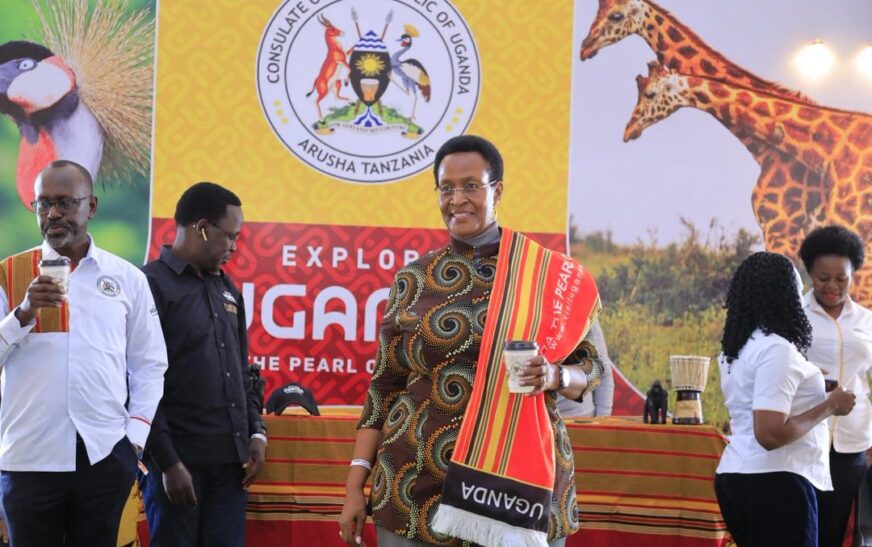
Government has also targeted private sector growth through increased capitalisation of development finance institutions to improve access to affordable credit, particularly for small and medium enterprises. Tourism and ICT sectors have received allocations aimed at boosting destination marketing, innovation and digital transformation, reflecting a push to diversify the economy.
Meanwhile, the justice sector continues to register progress, with the proportion of districts with complete justice service points rising from 79 percent in 2020/21 to 89 percent. This expansion has been driven by the operationalisation of 29 High Court circuits and the establishment of additional magistrates’ courts, bringing services closer to the people. Plans to decentralise the Court of Appeal to regional hubs such as Mbarara and Gulu are expected to further improve access and reduce case backlog.
Between 2023 and 2025, courts handled more than 38,000 commercial and land-related cases valued at Shs 14.47 trillion, unlocking capital and supporting economic activity. Alternative dispute resolution mechanisms are also gaining traction, alongside the deployment of mobile courts in remote and refugee-hosting areas.
Overall, the Shs 72 trillion budget reflects a government attempting to strike a delicate balance between economic expansion, environmental sustainability and institutional efficiency. While the increased focus on climate resilience and justice signals progress in addressing structural challenges, concerns remain around implementation, fiscal discipline and the long-term sustainability of rising debt.